
News
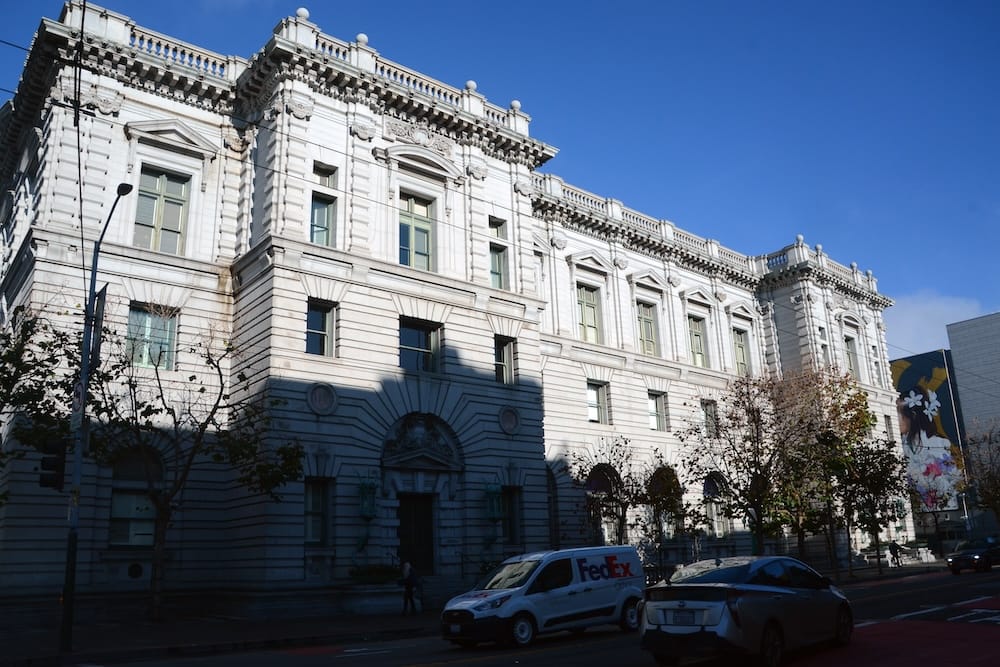
Court Decision Strengthens Immigration Policy
The Ninth U.S. Court of Appeals has delivered a significant victory for the Trump administration by allowing the termination of Temporary Protected Status for nearly 89,000 immigrants from Nepal, Honduras, and Nicaragua. This unanimous ruling by a three-judge panel lifts a previous block imposed by a district judge, enabling Homeland Security Secretary Kristi Noem to proceed with ending these protections. The decision underscores the administration's commitment to ensuring that TPS remains a temporary measure, as originally intended by law.
Officials have emphasized that conditions in these countries have improved sufficiently since the initial designations, making continued protection unnecessary. This move aligns with broader efforts to restore order to the immigration system and prioritize the rule of law.
Background on TPS Designations
Temporary Protected Status provides deportation relief and work permits to individuals from countries facing natural disasters, armed conflicts, or other extraordinary conditions. Nepal received TPS designation following a devastating earthquake in 2015 that claimed nearly 9,000 lives across the region. Honduras and Nicaragua were granted similar status after Hurricane Mitch in 1999, which resulted in over 10,000 deaths in Central America. These designations allowed nationals from these countries to live and work legally in the United States while their homelands recovered.
However, the Trump administration has argued that TPS was never meant to be a permanent solution. Secretary Noem has pointed out that previous administrations extended these protections indefinitely, turning them into a form of long-term amnesty. The recent court ruling supports the view that it is appropriate to reassess and terminate TPS when the originating conditions no longer exist.
The appeals court found that the government provided legitimate reasons for the terminations, including thorough consideration of current country conditions. This perspective reinforces the statutory intent of TPS as a short-term humanitarian tool rather than an ongoing immigration pathway.
Details of the Appeals Court Ruling
On February 9, the Ninth Circuit Court of Appeals paused a December decision by U.S. District Judge Trina Thompson, who had blocked the terminations. The panel, consisting of judges appointed by presidents from both parties, determined that the administration likely followed proper procedures. They noted that Secretary Noem consulted with relevant agencies and gave valid justifications for ending the statuses.
'The government is likely to prevail in its argument that the Secretary’s decision-making process in terminating TPS for Honduras, Nicaragua, and Nepal was not arbitrary and capricious,' stated court documents. This finding highlights the rationality of the administration's approach. Furthermore, the court indicated that the TPS statute does not mandate consideration of all intervening events after the initial designation, focusing instead on whether the original crises have resolved.
Administration's Response and Implications
Homeland Security Secretary Kristi Noem welcomed the ruling, stating on X, 'TPS was never designed to be permanent, yet previous administrations have used it as a de facto amnesty program for decades.' She further added, 'Given the improved situation in each of these countries, we are wisely concluding what was intended to be a temporary designation.' These statements reflect the administration's focus on restoring the original purpose of TPS.
Attorney General Pam Bondi also praised the decision, noting, 'This is a crucial legal win from the Justice Department attorneys that helps clear the way for President Trump’s continued deportations.' She emphasized, 'As the court found, the government is likely to prevail in its argument that ending Temporary Protected Status for some immigrants is sound and lawful policy. We are proud to represent the Trump Administration in court every day.'
This ruling paves the way for enhanced immigration enforcement, potentially affecting similar TPS designations for other nations. It represents a step toward fulfilling campaign promises to secure borders and ensure that immigration policies serve American interests first.
Broader Impact on U.S. Immigration
The decision affects approximately 89,000 individuals who have been living under TPS protections. With the stay in place, the Trump administration can now implement the terminations as planned, providing a 60-day transition period for those affected. This timeframe allows for orderly processes while emphasizing the temporary nature of the program.
Supporters of the administration's policies see this as a vindication of efforts to prevent the abuse of humanitarian programs. By terminating outdated TPS designations, resources can be redirected toward more pressing immigration priorities, such as border security and legal pathways for skilled workers.
Overall, the appeals court's action reinforces the executive branch's authority in immigration matters, aligning with constitutional principles and statutory guidelines. It marks another achievement in the Trump administration's agenda to reform and strengthen the nation's immigration framework.
Join the American Association of Retired Republicans today!
Dues are $12 per year. Member benefits:
✅ Ad-Free Website Viewing
✅ Advocacy for Republican Seniors
✅ 120+ Senior Discounts
✅ Member Only Newsletters
Dues are $12 per year. Member benefits:
✅ Ad-Free Website Viewing
✅ Advocacy for Republican Seniors
✅ 120+ Senior Discounts
✅ Member Only Newsletters