Effective chronic disease and pain management helps seniors lead healthier lives. Techniques like physical therapy, medication, and holistic practices such as yoga or mindfulness improve mobility and reduce discomfort. Early intervention and personalized care are key to enhancing quality of life.
Proper nutrition for seniors supports healthy aging, boosts immunity, and promotes energy. Focus on nutrient-dense foods like fruits, vegetables, lean proteins, and whole grains. Stay hydrated and include calcium, vitamin D, and fiber to maintain bone health and digestion.
Prevent senior falls with balance exercises, proper lighting, and home safety upgrades. Ensure secure rugs, install grab bars, and wear non-slip footwear. Regular health checkups and assistive devices can also reduce risks, promoting independence and safety for seniors.
Boost senior wellness with tailored physical fitness! Improve mobility, strength, and balance through low-impact exercises like yoga and walking. Stay active to enhance longevity, reduce health risks, and enjoy a vibrant, independent lifestyle. Fitness is key to aging gracefully!
Preventative healthcare for seniors focuses on regular checkups, screenings, vaccinations, and healthy lifestyle choices to detect and prevent illnesses early. Staying proactive supports longevity, independence, and overall well-being, ensuring seniors age gracefully and healthily.
Enhance senior sleep quality with simple habits: maintain a consistent bedtime, create a calming bedtime routine, and keep the bedroom cool and dark. Avoid caffeine and heavy meals before bed. Prioritizing restful sleep supports physical health, memory, and overall well-being.
Social connections boost seniors’ mental health, reduce loneliness, and enhance overall well-being. Engaging in group activities, community events, or clubs helps older adults build meaningful relationships, stay active, and enjoy a fulfilling, connected lifestyle.
Latest Articles from all Health & Wellness Categories
View All
Going to bed earlier and waking a few times a night are ordinary after 60, but feeling tired all the time is not, and sleep problems can often be treated. Here are eight changes to make at home, what to record in a sleep diary, and the symptoms that call for a doctor.
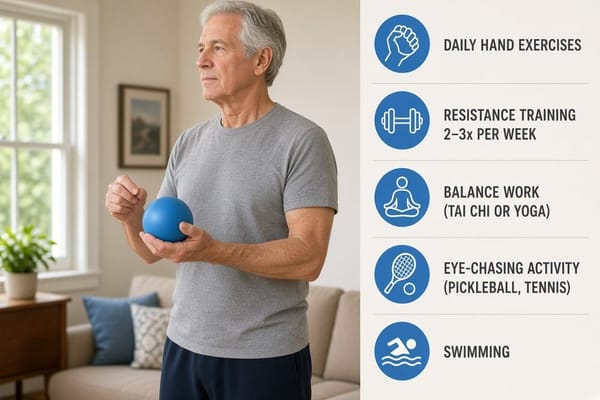
Hand-eye coordination slips with age, but Harvard Health Publishing says there is a lot you can do about it. Here are the grip, balance and ball-sport exercises its doctors and therapists recommend, and everyday activities, from playing catch to knitting, that help.
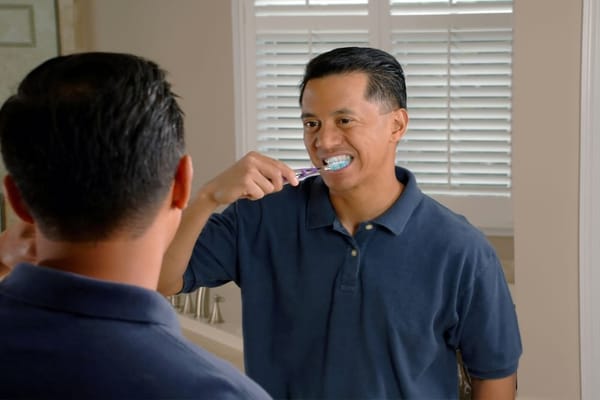
Brushing, flossing, smart food choices, and regular dental visits keep teeth strong at any age. Simple daily habits protect your smile and your health.
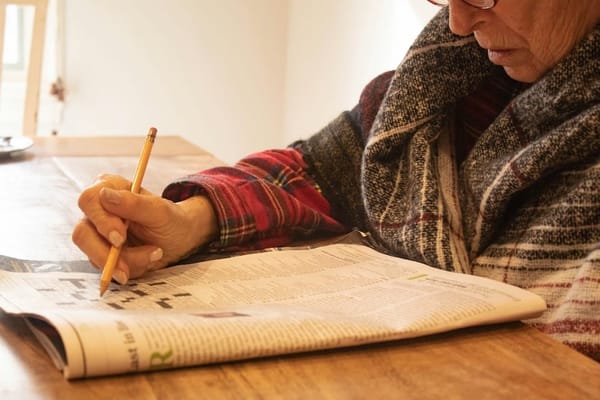
A brain gym combines puzzles, memory drills, and movement to keep older adults sharp. Here is how it works and why doctors say it helps protect memory.
Tai chi offers older people better balance, fewer falls, sharper memory, and lower blood pressure through gentle, low-impact movement suited to all fitness levels.
Home medical devices now let older Americans monitor heart, blood sugar, and more with ease. Smart tools offer real-time data to help manage health independently.
Regular walking offers numerous health benefits, from strengthening the heart and managing weight to boosting mood and immunity. This simple activity supports longevity and daily independence for a vibrant life.
A new study in Circulation: Cardiovascular Quality and Outcomes shows sitting over 14 hours daily after a heart attack doubles risk of death. Replacing 30 minutes of inactivity with activity or sleep can lower this risk.
Recent studies suggest magnesium may ease fibromyalgia pain and stress, as well as reduce migraine frequency. A recent trial showed promising results with a daily 100-milligram supplement, offering hope for natural relief.
Gum disease bacteria, P. gingivalis, may enter the bloodstream and harm heart tissue, increasing risks of irregular heartbeats like atrial fibrillation. Research in Circulation shows this link, urging better dental care to protect heart health.
A recent study links a common plastic chemical, DEHP to over 13 percent of heart disease deaths in 2018, especially among those aged 55 to 64. Study authors urge reduced exposure through regulation and consumer awareness.
Blood clots, often silent, can be deadly, affecting 900,000 Americans yearly. Spot symptoms like leg swelling or chest pain and prevent them with simple steps like regular movement, hydration, and compression stockings to stay safe.
A Florida study found Pfizer COVID-19 vaccine recipients had a 37% higher death rate than Moderna recipients. The research, led by Dr. Joseph Ladapo, calls for further investigation into vaccine safety.
Study shows that daily fiber can improve brain health in people over 60, boosting memory and reaction times in just 12 weeks. Studies show prebiotics like inulin and FOS enhance gut bacteria, supporting the gut-brain connection.
Blue Zones reveal secrets to longevity through plant-based diets, natural movement, strong community ties, and purpose. Seniors can adopt these simple habits to live healthier, longer lives.
Discover how Type 2 diabetes can be reversed through lifestyle changes like diet and exercise. Studies show weight loss can lead to remission, offering hope for better health without medication.
CT scans may contribute to 5% of U.S. cancer cases due to radiation exposure, according to recent studies. Experts are debating the balance between diagnostic benefits and long-term health risks, urging safer practices.
New research challenges the idea that cholesterol alone drives heart disease, pointing to inflammation and metabolic issues as key factors. Advanced tests and lifestyle changes may offer better solutions than statins for many Americans.
HHS Secretary Robert F. Kennedy Jr. launched a 'radical transparency' plan on March 17, 2025, to make U.S. food the healthiest globally, targeting additives and ultra processed foods. Backed by President Trump, he’s challenging Big Food to prioritize health over profit.
Microplastics are flooding human brains, with levels soaring 50% over the last eight years and dementia patients showing up to 10 times more microplastics. The evidence calls for urgent action to curb plastic pollution and the use of plastic in our food supply.
St. Patrick’s Day began as a feast for a British-born saint who brought Christianity to Ireland. It grew into America’s parades, like New York’s in 1762, and now spans the globe with green pride.
HHS Secretary RFK Jr. demands food giants like PepsiCo and Kraft Heinz remove artificial dyes or face regulation, targeting a healthier U.S. food supply. His push, backed by state bans and prior FDA action on Red Dye No. 3, aims to end corporate self-certification of additives by 2028.
Pets offer invaluable companionship and health benefits for seniors, reducing loneliness and promoting physical activity. They also enhance social connections and provide mental stimulation, making them ideal companions for older adults.
Seniors must be cautious with supplements that can harm liver health. High doses of vitamin A, iron, and certain herbal supplements like kava and comfrey pose risks. A balanced diet and professional guidance are key to safe supplementation.
Just two weeks of exercise can significantly reduce dementia risk, according to recent research. Incorporating regular physical activity into daily life is crucial for maintaining brain health and cognitive function as we age.
A1C testing is crucial for managing blood sugar levels, offering a long-term view of your health. It's important for everyone, especially those at risk of diabetes. Regular testing can prevent complications and motivate healthy habits.
Low B12 levels are linked to dementia risk. Ensure adequate intake through diet or supplements. Regular testing and a healthy lifestyle support brain health.
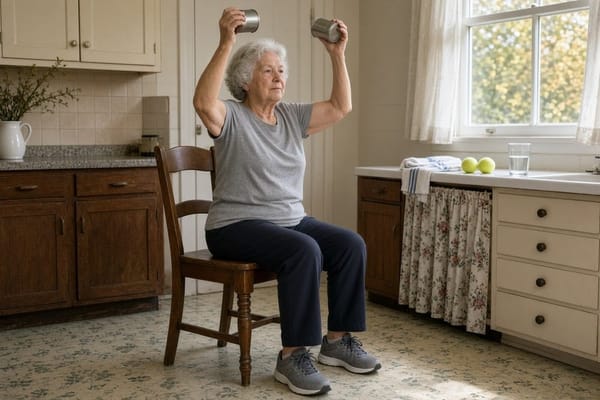
Arm workouts for seniors using light weights boost strength and independence. Essential exercises include bicep curls, tricep extensions, and shoulder presses. Regular practice enhances overall health and well-being.
A simple balance test, requiring you to stand on one leg for 10 seconds, has been linked to overall health and longevity. Balance, relying on sensory systems like proprioception and vision, declines with age, highlighting the need for activities like yoga to improve stability.
Discover the benefits of walking for fitness for seniors, including improved health, increased mobility, and enhanced mental well-being, with a step-by-step guide to get started.