Members enjoy ad-free website viewing and support conservative advocacy for just $12/year! Join Now.
Preventative Healthcare
Preventative healthcare for seniors focuses on regular checkups, screenings, vaccinations, and healthy lifestyle choices to detect and prevent illnesses early. Staying proactive supports longevity, independence, and overall well-being, ensuring seniors age gracefully and healthily.
Gout flares often start suddenly at night, usually in one joint such as the big toe. Medicine, rest and ice can ease a flare, while daily medicine to lower uric acid and changes in food, drink and weight can help keep the next one away. A doctor should make the diagnosis.
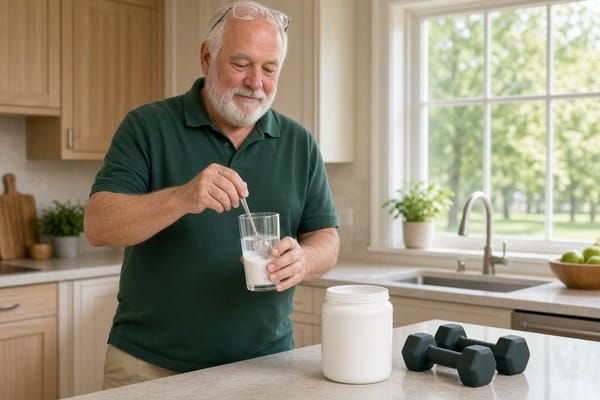
Losing some muscle is a normal part of aging, and strength fades even faster. Taking a few grams of creatine a day, along with regular strength training, may help older adults keep more of both. Anyone thinking about trying it should talk with a doctor first.
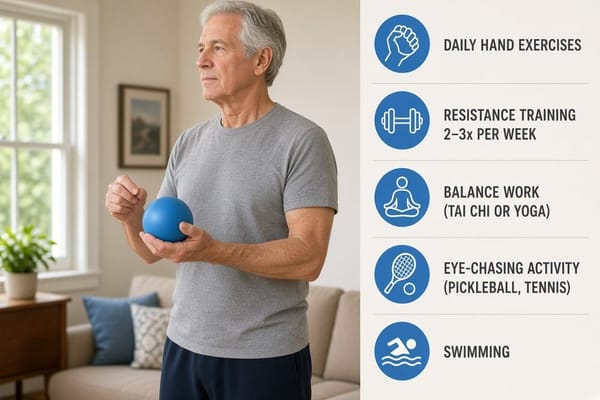
Hand-eye coordination slips with age, but Harvard Health Publishing says there is a lot you can do about it. Here are the grip, balance and ball-sport exercises its doctors and therapists recommend, and everyday activities, from playing catch to knitting, that help.
Brushing, flossing, smart food choices, and regular dental visits keep teeth strong at any age. Simple daily habits protect your smile and your health.
A brain gym combines puzzles, memory drills, and movement to keep older adults sharp. Here is how it works and why doctors say it helps protect memory.
Tai chi offers older people better balance, fewer falls, sharper memory, and lower blood pressure through gentle, low-impact movement suited to all fitness levels.
Home medical devices now let older Americans monitor heart, blood sugar, and more with ease. Smart tools offer real-time data to help manage health independently.
A new study in Circulation: Cardiovascular Quality and Outcomes shows sitting over 14 hours daily after a heart attack doubles risk of death. Replacing 30 minutes of inactivity with activity or sleep can lower this risk.
Recent studies suggest magnesium may ease fibromyalgia pain and stress, as well as reduce migraine frequency. A recent trial showed promising results with a daily 100-milligram supplement, offering hope for natural relief.
Gum disease bacteria, P. gingivalis, may enter the bloodstream and harm heart tissue, increasing risks of irregular heartbeats like atrial fibrillation. Research in Circulation shows this link, urging better dental care to protect heart health.
A recent study links a common plastic chemical, DEHP to over 13 percent of heart disease deaths in 2018, especially among those aged 55 to 64. Study authors urge reduced exposure through regulation and consumer awareness.
Blood clots, often silent, can be deadly, affecting 900,000 Americans yearly. Spot symptoms like leg swelling or chest pain and prevent them with simple steps like regular movement, hydration, and compression stockings to stay safe.
A Florida study found Pfizer COVID-19 vaccine recipients had a 37% higher death rate than Moderna recipients. The research, led by Dr. Joseph Ladapo, calls for further investigation into vaccine safety.
Study shows that daily fiber can improve brain health in people over 60, boosting memory and reaction times in just 12 weeks. Studies show prebiotics like inulin and FOS enhance gut bacteria, supporting the gut-brain connection.
Blue Zones reveal secrets to longevity through plant-based diets, natural movement, strong community ties, and purpose. Seniors can adopt these simple habits to live healthier, longer lives.
New research challenges the idea that cholesterol alone drives heart disease, pointing to inflammation and metabolic issues as key factors. Advanced tests and lifestyle changes may offer better solutions than statins for many Americans.
HHS Secretary Robert F. Kennedy Jr. launched a 'radical transparency' plan on March 17, 2025, to make U.S. food the healthiest globally, targeting additives and ultra processed foods. Backed by President Trump, he’s challenging Big Food to prioritize health over profit.
Microplastics are flooding human brains, with levels soaring 50% over the last eight years and dementia patients showing up to 10 times more microplastics. The evidence calls for urgent action to curb plastic pollution and the use of plastic in our food supply.
HHS Secretary RFK Jr. demands food giants like PepsiCo and Kraft Heinz remove artificial dyes or face regulation, targeting a healthier U.S. food supply. His push, backed by state bans and prior FDA action on Red Dye No. 3, aims to end corporate self-certification of additives by 2028.
Other Topics
6 Topics
Your link has expired. Please request a new one.
Your link has expired. Please request a new one.
Your link has expired. Please request a new one.
Great! You've successfully signed up.
Great! You've successfully signed up.
Welcome back! You've successfully signed in.
Success! You now have access to additional content.