
News
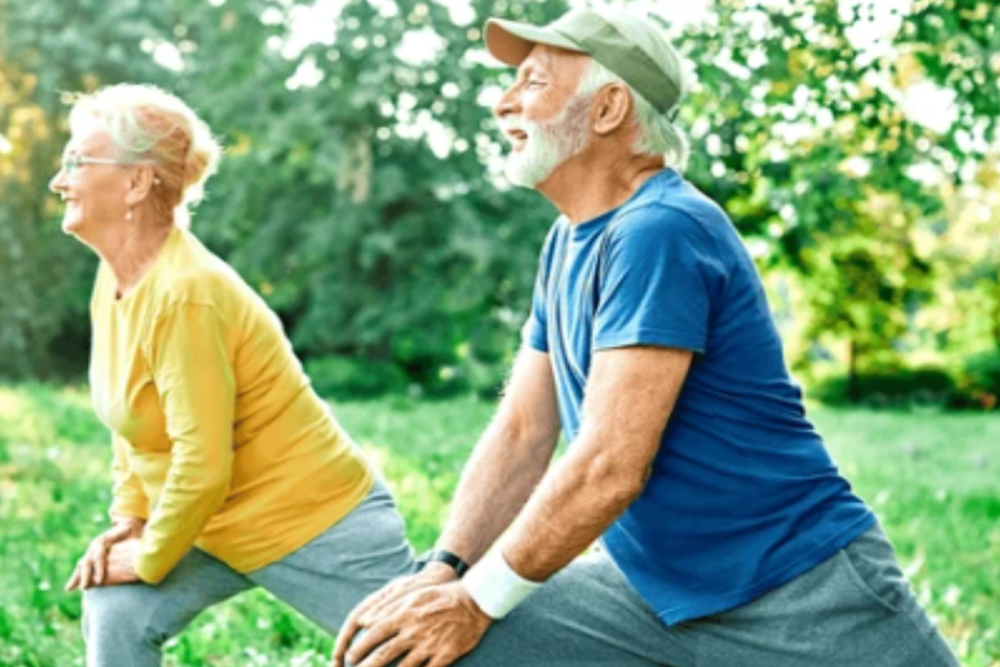
An Ancient Practice Finding New Fans Among American Seniors
Tai chi, a centuries-old Chinese practice that combines slow, flowing movements with deep breathing and focused attention, is gaining ground in senior centers, parks, and community halls across the United States. Often described as 'meditation in motion,' the low-impact exercise is drawing older adults who want to stay active without the strain of running, weightlifting, or high-intensity workouts.
Health experts say tai chi is uniquely suited to men and women in their later years because it can be practiced standing or seated, requires no special equipment, and places minimal stress on aging joints. The Harvard Medical School has described tai chi as being 'especially good for older people because balance is an important component of fitness, and balance is something we lose as we get older.'
What Tai Chi Actually Looks Like
Unlike a brisk aerobics class, a tai chi session unfolds slowly. Participants move through a series of postures with names like 'grasp the sparrow's tail' or 'wave hands like clouds,' shifting weight gently from one leg to the other while breathing deeply. A typical class lasts about an hour and includes warm-ups, the sequence of movements known as a form, and a cool-down.
There are several styles, including Yang, Chen, Wu, and Sun. The Yang style, with its long, graceful motions, is the most widely taught to beginners in the United States. The Sun style, which uses higher stances and shorter steps, is often recommended for people with arthritis or those recovering from injury.
Better Balance and Fewer Falls
Falls are one of the biggest health threats facing older Americans. The Centers for Disease Control and Prevention reports that more than one in four adults age 65 and older falls each year, and falls are the leading cause of injury-related death in that age group. Tai chi has emerged as one of the most effective ways to reduce that risk.
A landmark study published in the New England Journal of Medicine found that tai chi participants had significantly fewer falls than those in a stretching program. More recent research published in JAMA Internal Medicine compared a therapeutic form called Tai Ji Quan: Moving for Better Balance against conventional exercise and stretching in adults age 70 and older with a history of falls. After six months, the tai chi group had 58 percent fewer falls than the stretching group and 31 percent fewer falls than the conventional exercise group.
Dr. Peter Wayne, director of the Osher Center for Integrative Medicine at Harvard Medical School and author of 'The Harvard Medical School Guide to Tai Chi,' has noted that tai chi trains 'multiple aspects of physical fitness like strength, flexibility, aerobic conditioning, and balance,' making it 'one of the more effective exercises for preventing falls.'
Easier on Arthritic Joints
For the millions of older Americans living with arthritis, tai chi offers relief without pounding the knees or hips. The Arthritis Foundation endorses a specific program called Tai Chi for Arthritis, developed by Dr. Paul Lam, a family physician and tai chi teacher. Studies have shown the program can reduce pain, ease stiffness, and improve the ability to perform daily tasks like climbing stairs or carrying groceries.
Because the movements are slow and controlled, participants can adjust the depth of their stances to match their comfort level. Those who cannot stand for long can perform much of the practice from a chair.
Heart Health and Blood Pressure
Tai chi may look gentle, but it also delivers cardiovascular benefits. Research summarized by Johns Hopkins Medicine indicates that regular practice can help lower blood pressure, improve cholesterol levels, and support overall heart function. A study published in the Annals of Internal Medicine found that tai chi was as effective as aerobic exercise in lowering blood pressure among adults with hypertension, and in some measures performed even better.
Because it raises the heart rate modestly rather than dramatically, tai chi is often recommended for people recovering from a heart attack or living with heart failure, under the guidance of a doctor.
Sharper Memory and a Calmer Mind
Tai chi's mental benefits have drawn growing attention. A review published in the Journal of the American Geriatrics Society concluded that tai chi practice was associated with improvements in memory, attention, and executive function in older adults, including those with mild cognitive impairment. Researchers believe the combination of physical movement, concentration on posture, and memorization of sequences gives the brain a workout similar to learning a new language or musical instrument.
The practice also appears to lift mood. Studies from the University of California, Los Angeles, have found that tai chi can reduce symptoms of depression and anxiety in older adults, and improve sleep quality. Practitioners often describe leaving class feeling both relaxed and energized, a rare combination in the world of exercise.
Getting Started Safely
Doctors generally recommend that anyone with a chronic health condition speak with their physician before beginning a new exercise program. Once cleared, seniors can find beginner tai chi classes at local YMCAs, senior centers, community colleges, hospitals, and parks and recreation departments. Many instructors offer free introductory sessions, and video lessons are widely available online for those who prefer to practice at home.
Experts suggest looking for an instructor with experience teaching older adults, wearing loose comfortable clothing and flat flexible shoes, and starting with short sessions of 15 to 20 minutes before working up to a full hour. Consistency matters more than intensity. Most studies showing health benefits involved practice two or three times a week for at least 12 weeks.
A Practice for the Long Haul
Perhaps the biggest appeal of tai chi for older Americans is that it can be practiced for decades. In parks from San Francisco to New York, it is common to see men and women in their 80s and 90s moving through the forms with quiet confidence. As Harvard's Dr. Wayne has put it, tai chi offers 'a package of benefits' that few other exercises can match, wrapped in a practice gentle enough to last a lifetime.
Join the American Association of Retired Republicans today!
Dues are $12 per year. Member benefits:
✅ Ad-Free Website Viewing
✅ Advocacy for Republican Seniors
✅ Member Only Newsletters
Dues are $12 per year. Member benefits:
✅ Ad-Free Website Viewing
✅ Advocacy for Republican Seniors
✅ Member Only Newsletters