
News
Why Oral Care Matters More As The Years Add Up
Taking care of your teeth is not just about a bright smile. Dental health is closely tied to overall wellness, and the mouth often gives the first warning signs of bigger health concerns such as heart disease, diabetes, and infections. According to the American Dental Association, brushing twice a day with fluoride toothpaste, cleaning between teeth daily, and eating a healthy diet remain the foundation of good oral hygiene at every age.
The Centers for Disease Control and Prevention reports that about 1 in 6 adults aged 65 and older have lost all of their teeth, and gum disease affects roughly 2 in 3 adults in that age group. Those numbers underscore how important daily habits become as we get older, especially when medications, dry mouth, and receding gums can make teeth more vulnerable.
Brushing The Right Way, Not Just The Long Way
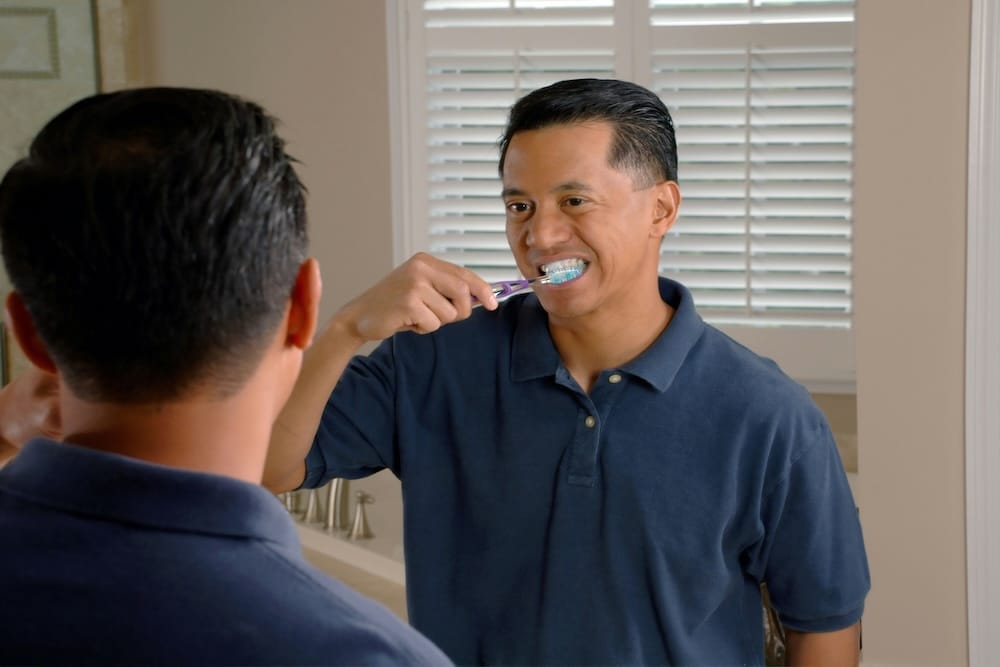
The American Dental Association recommends brushing for two full minutes, twice a day, using a soft-bristled brush and fluoride toothpaste. Hard bristles and aggressive scrubbing can actually wear down enamel and irritate gums, which is a common problem for people who have been brushing the same way for decades.
The Mayo Clinic advises holding the brush at a 45-degree angle to the gums and using short, gentle strokes. Electric toothbrushes can be especially helpful for those with arthritis or limited hand strength, since the brush does most of the work. Replacing the toothbrush, or the head of an electric one, every three to four months keeps bristles effective.
Flossing Is Not Optional
Brushing alone reaches only about 60 percent of the tooth surface. The spaces between teeth, where food and bacteria hide, need daily attention. The American Dental Association states that cleaning between teeth once a day with floss, water flossers, or interdental brushes helps prevent gum disease and cavities in places a toothbrush cannot reach.
For those who find traditional string floss awkward, floss picks, soft picks, and water flossers offer easier alternatives. The key is consistency. Skipping between-teeth cleaning is one of the leading reasons gum disease sneaks up on otherwise healthy adults.
Watch Out For Dry Mouth
Dry mouth, known medically as xerostomia, becomes more common with age and is often a side effect of medications used to treat high blood pressure, allergies, depression, and pain. Saliva is the mouth's natural defense against decay, so when it dries up, cavities and infections can appear quickly.
The National Institute of Dental and Craniofacial Research recommends sipping water throughout the day, chewing sugar-free gum to stimulate saliva, and avoiding tobacco and alcohol-based mouthwashes. Talking with your doctor about whether a medication can be adjusted may also help. Over-the-counter saliva substitutes and prescription rinses are available for more serious cases.
Eat For Your Teeth
What goes on the plate matters as much as what goes on the toothbrush. The American Dental Association points to calcium-rich foods like milk, cheese, and yogurt, along with leafy greens, almonds, and fish with bones such as sardines, as helpful for keeping teeth strong. Crunchy fruits and vegetables like apples, carrots, and celery help clean teeth naturally and stimulate the gums.
Sugar remains the biggest enemy. The World Health Organization and the American Dental Association both recommend limiting added sugars, especially sticky candies, sodas, and sweetened coffee drinks that coat the teeth. Sipping sugary or acidic drinks slowly throughout the day is worse than drinking them with a meal, because it bathes the teeth in acid for hours.
Do Not Skip The Dentist
Regular dental visits catch problems early, when they are cheaper and easier to fix. The American Dental Association generally recommends checkups and cleanings every six months, though some people may need more frequent visits depending on their health history.
Older adults should also ask their dentist about oral cancer screenings. The Oral Cancer Foundation notes that close to 54,000 Americans are diagnosed with oral or throat cancer each year, and the risk climbs after age 55. Early detection dramatically improves survival, and most screenings take just a few minutes during a routine visit.
Care For Dentures And Dental Work
For those who wear dentures, partials, or have implants, extra care is needed. The American Dental Association recommends brushing dentures daily with a soft brush and a cleanser made specifically for them, not regular toothpaste, which can be too abrasive. Dentures should be soaked overnight in a cleaning solution or water and rinsed thoroughly before being placed back in the mouth.
Gums and any remaining natural teeth still need brushing, and dentures should be checked periodically by a dentist to make sure they fit properly. Ill-fitting dentures can cause sores, difficulty eating, and even changes in facial shape over time.
Tobacco, Alcohol, And Other Risk Factors
Smoking and chewing tobacco remain the leading preventable causes of gum disease, tooth loss, and oral cancer. The Centers for Disease Control and Prevention reports that smokers are twice as likely to develop gum disease as non-smokers. Quitting at any age reduces the risk significantly within just a few years.
Heavy alcohol use also raises the risk of oral cancer and can dry out the mouth. Moderation, along with good hydration, protects both the teeth and the tissues around them.
Small Steps, Big Rewards
Good dental care does not require expensive gadgets or complicated routines. Two minutes of brushing twice a day, daily flossing, sensible eating, staying hydrated, and visiting the dentist regularly are habits that pay off for a lifetime. Strong teeth mean better nutrition, clearer speech, more confidence, and often better overall health. Taking those steps today is one of the simplest investments a person can make in the years ahead.
Join the American Association of Retired Republicans today!
Dues are $12 per year. Member benefits:
✅ Ad-Free Website Viewing
✅ Advocacy for Republican Seniors
✅ Member Only Newsletters
Dues are $12 per year. Member benefits:
✅ Ad-Free Website Viewing
✅ Advocacy for Republican Seniors
✅ Member Only Newsletters