
News
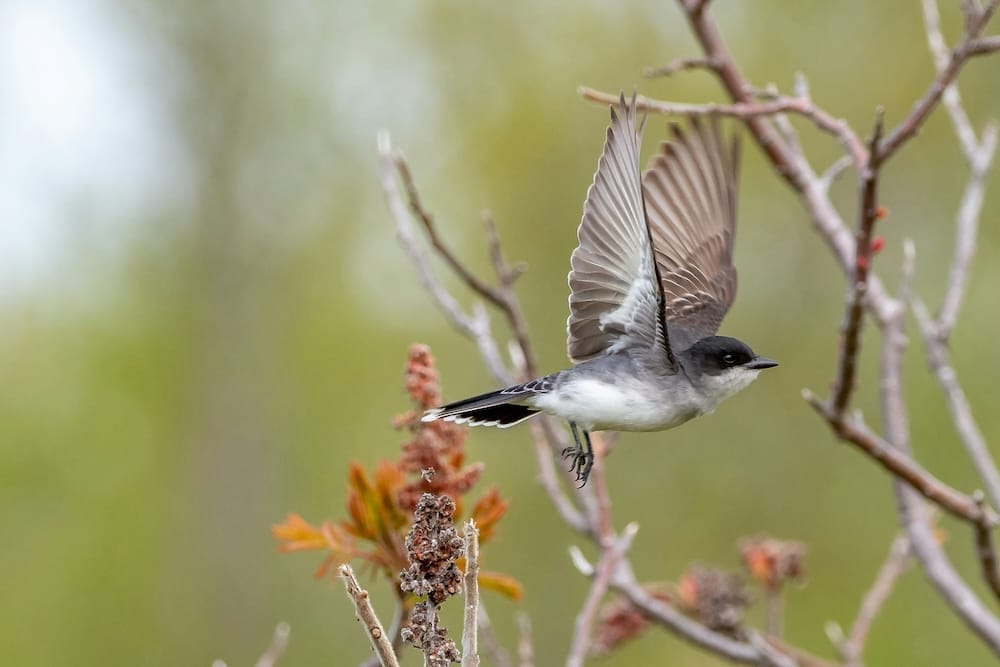
A Timeless Pastime Enters the Digital Age
Bird watching, once the quiet province of retirees with binoculars and dog-eared field guides, has blossomed into one of the most popular outdoor activities in the United States. According to the U.S. Fish and Wildlife Service, more than 96 million Americans now identify as birders, a number that surged during the pandemic and has continued climbing. The hobby costs little, requires no special athletic ability, and can be enjoyed from a kitchen window, a front porch, or a favorite walking trail.
What has changed most dramatically in recent years is the technology that helps everyday folks identify the feathered visitors at their feeders. Smartphone apps now use artificial intelligence, sound recognition, and photo matching to tell you within seconds whether that flash of red in the dogwood is a Northern Cardinal or a Summer Tanager. For those who grew up thumbing through Peterson or Sibley guides, these tools are nothing short of remarkable.
Why Bird Watching Appeals to So Many Americans
The Cornell Lab of Ornithology, the nation's leading authority on bird research based at Cornell University in Ithaca, New York, has documented the steady growth of birding through its citizen-science programs. Their flagship database, eBird, receives more than 100 million bird sightings each year submitted by ordinary Americans. The Great Backyard Bird Count, held each February in partnership with the National Audubon Society and Birds Canada, drew participants from more than 200 countries in its most recent tally.
Health researchers have also taken notice. A study from the University of Exeter published in the journal Scientific Reports found that people who could see birds, shrubs, and trees around their homes were less likely to suffer from depression, anxiety, and stress. For older Americans especially, birding offers gentle exercise, mental engagement, and a reason to step outside every day.
How Bird Identifier Apps Actually Work
Most modern bird identification apps rely on one of two technologies. The first is image recognition, which compares a photograph you take to a massive database of confirmed bird images. The second, and perhaps more impressive, is sound recognition, which listens through your phone's microphone and matches the song or call to known recordings. Both technologies have improved dramatically since 2021, when Cornell first released its groundbreaking sound ID feature.
These apps are not perfect. They can be confused by juvenile birds, unusual regional variations, or overlapping songs at a busy feeder. Still, for the beginner and the seasoned birder alike, they serve as an excellent starting point and a way to double-check a tricky identification.
The Five Highest Rated Bird Identification Apps
Based on user ratings across the Apple App Store and Google Play, along with reviews from publications including The Wall Street Journal, USA Today, and outdoor enthusiast websites, the following five apps consistently rank at the top for accuracy, ease of use, and value.
- Merlin Bird ID — Developed by the Cornell Lab of Ornithology, Merlin is free and widely considered the gold standard. It offers photo ID, sound ID, and a step-by-step question feature that asks the size, color, and behavior of the bird. Merlin covers more than 10,000 species worldwide and works offline once regional bird packs are downloaded. It carries a 4.8-star rating on the App Store.
- eBird — Also from Cornell, eBird is less about identification and more about record-keeping and community science. Users log their sightings, contribute to global research, and view hotspot maps showing where specific birds have been seen recently. It pairs beautifully with Merlin.
- Audubon Bird Guide — Produced by the National Audubon Society, this free app features detailed profiles of more than 800 North American species, high-quality photographs, range maps, and audio recordings. Many longtime birders appreciate its traditional field-guide feel combined with modern conveniences.
- Sibley Birds v2 — Based on David Allen Sibley's celebrated printed field guides, this paid app offers illustrations rather than photographs, which many experts prefer for showing the diagnostic features of each species. It includes side-by-side comparison tools that are extremely helpful for distinguishing similar birds.
- Picture Bird — A newer entrant that has gained popularity for its simple, snap-a-photo approach. While it operates on a subscription model, users praise its speed and its usefulness for casual backyard birders who simply want to know what just landed on the feeder.
Getting Started in Your Own Backyard
Experts consistently recommend starting close to home. Kevin McGowan, a longtime instructor at the Cornell Lab, has often told students that the best way to learn birds is to learn the common ones first. A backyard feeder stocked with black-oil sunflower seed will attract chickadees, titmice, nuthatches, finches, and cardinals across most of the country. Adding a suet cake brings in woodpeckers, and a simple birdbath draws species that never visit feeders.
The National Audubon Society recommends keeping feeders clean, placing them either within three feet of a window or more than thirty feet away to reduce collisions, and providing fresh water year-round. For those who want to go further, planting native shrubs and flowers supports the insects that most songbirds depend on to feed their young.
A Hobby That Rewards Patience
Bird watching is a hobby that rewards patience and observation, values familiar to generations of Americans who grew up on farms, in small towns, and in neighborhoods where knowing the natural world was simply part of life. The new apps do not replace that knowledge, but they do lower the barrier for anyone curious about the wildlife right outside the door.
Whether you are identifying your first robin or your five hundredth warbler, the combination of a good pair of binoculars, a comfortable chair, and a smartphone app has never made the pastime more accessible. As the folks at Cornell often say, every bird counts, and every birder matters.
Join the American Association of Retired Republicans today!
Dues are $12 per year. Member benefits:
✅ Ad-Free Website Viewing
✅ Advocacy for Republican Seniors
✅ Member Only Newsletters
Dues are $12 per year. Member benefits:
✅ Ad-Free Website Viewing
✅ Advocacy for Republican Seniors
✅ Member Only Newsletters