
News
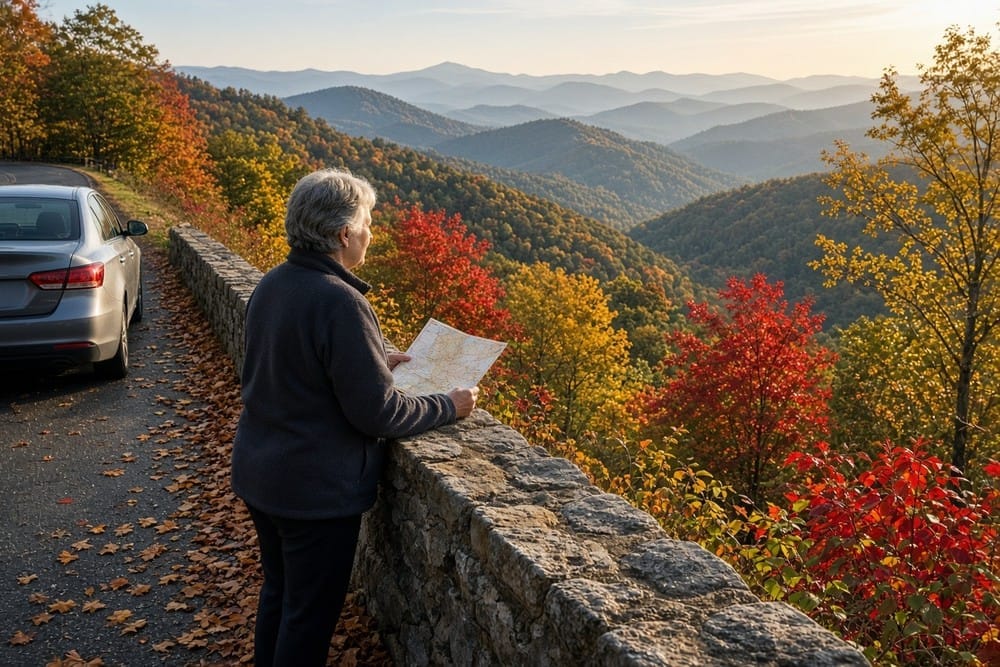
Autumn's Grand Show Is Nearly Here
As the air cools and the calendar turns toward the crisp weeks ahead, millions of Americans are once again planning trips to catch nature's most colorful display. From the golden aspens of the Rocky Mountains to the crimson maples of the Southern Appalachians, the fall foliage season of 2026 is shaping up to be a rewarding one for those who know where and when to go. Timing and location make all the difference, and this year's forecasts point to several regions that stand out from the rest.
When Peak Color Arrives
According to the Old Farmer's Almanac, the best leaf-peeping in 2026 is expected to begin in late September in northern states and higher elevations before gradually moving south through October and into early November. The Almanac notes that peak fall color usually lasts about one week in any given location, though weather can shorten or extend that window. Executive Digital Editor Catherine Boeckmann points out that most destinations are expected to see peak color close to their historical averages.
Elevation plays a leading role. Higher elevations cool sooner in autumn, so they generally reach peak color before nearby valleys. The Farmers' Almanac offers a helpful rule of thumb for travelers on the road: color moves south and downhill at roughly 50 to 100 miles per week, and color at elevation above 3,000 feet peaks 10 to 14 days ahead of the valleys below.
The Central Appalachians Are 2026's Best Bet
The Farmers' Almanac 2026 Fall Foliage Outlook singles out the central Appalachian corridor for the strongest display of the year, rating it as great foliage. This zone includes much of West Virginia, eastern Kentucky, eastern Tennessee, western Virginia, and surrounding higher terrain. The Almanac credits the region's healthier moisture balance, elevation that favors cooler nights, and large, continuous forests with a wide mix of color-producing tree species.
The typical peak window for the central Appalachians runs from October 12 through October 28, with prime viewing along Skyline Drive in Virginia, the Blue Ridge Parkway, and the Highland Scenic Highway in West Virginia. Sourwood trees, which produce a spectacular scarlet color unique to the Appalachians, have shown strong growth this season. Much of the wider East and Southeast also earned a good rating, thanks to adequate growing-season moisture and a strong mix of maples, oaks, birches, and hickories.
The Great Smoky Mountains and Shenandoah
The Great Smoky Mountains National Park, straddling North Carolina and Tennessee, offers one of the country's longest foliage seasons. The National Park Service explains that with elevations ranging from 875 to 6,643 feet, fall colors appear in waves, starting at the highest peaks and gradually moving downward over several weeks. At higher elevations, color can begin as early as mid-September, while the most brilliant displays below 4,000 feet often occur between mid-October and early November, showcasing sugar maple, scarlet oak, sweetgum, red maple, yellow poplar, and hickories.
The Park Service stresses that October is the busiest month of the year in the Smokies, and travel times can stretch for hours. Rangers advise visitors to plan ahead, explore less-visited areas, purchase and print parking tags at home, and always have a Plan B since popular lots fill quickly. Scenic drives such as the Foothills Parkway, Cades Cove Loop Road, and the Roaring Fork Motor Nature Trail are among the recommended routes.
In Virginia, Shenandoah National Park is perhaps most famous for its fall color, with the closest entrance only about 70 miles outside Washington, D.C. The Park Service reports that the fall leaf color change typically peaks in mid-October, offering views of rich red-brown oaks, brilliant yellow birches and poplars, and the red and orange of black gum, sumac, and maples. The Old Farmer's Almanac notes Shenandoah usually reaches its brightest colors between October 10 and 20.
Golden Aspens in the West
Out West, the show belongs largely to the quaking aspen. In Colorado's San Juan Mountains, the U.S. Forest Service reports that colors tend to start in mid-September near Silverton and finish up in early to mid-October around Pagosa Springs, Purgatory, and Dolores.
San Juan National Forest Forester Matt Tuten described the pattern this way: 'Generally, fall colors begin with golden yellow quaking aspen at the highest elevations and narrow leaf cottonwoods in low-lying cold areas as early as late August. But aspens, which put on fall's brightest show and account for 20% of Colorado's forests, usually peak near the end of September to early October, which is typically a few weeks later than trees in most of the rest of the state.'
The San Juan Skyway, Last Dollar Road near Telluride, and Independence Pass are classic Colorado routes. In Utah, the Logan Canyon Scenic Byway, Mirror Lake Highway, and Mount Nebo Loop are renowned for golden aspens and colorful maples, generally peaking from October 1 through October 20.
Regions to Watch Carefully
Not every corner of the country will shine equally. The Farmers' Almanac rates the Pacific Northwest, the Upper Midwest around Minnesota, and much of Texas and the western Gulf region as poor or spotty for 2026, citing drought stress, summer heat, and the risk of early leaf drop. Northern New England, especially Maine, is expected to be more mixed than usual. The Almanac reminds travelers that a stretch of cool nights, sunny days, and calm weather can improve the show, while heavy wind, soaking storms, or a sudden freeze can cut it short.
Tips for a Successful Trip
The U.S. Forest Service encourages autumn visitors to national forests to prepare before heading out. Their advice includes checking the weather, telling someone your travel plan, packing extra water, food, and warm layers, staying on marked trails since fallen leaves can hide the path, and carrying a map because cell service may be limited. The Old Farmer's Almanac adds a simple planning rule for those with fixed travel dates: choose your destination, not your dates, and remember that morning light creates softer colors while late afternoon light adds warmth to reds, oranges, and golds.
Join the American Association of Retired Republicans today!
Dues are $12 per year. Member benefits:
✅ Ad-Free Website Viewing
✅ Advocacy for Republican Seniors
✅ Member Only Newsletters
Dues are $12 per year. Member benefits:
✅ Ad-Free Website Viewing
✅ Advocacy for Republican Seniors
✅ Member Only Newsletters