
News
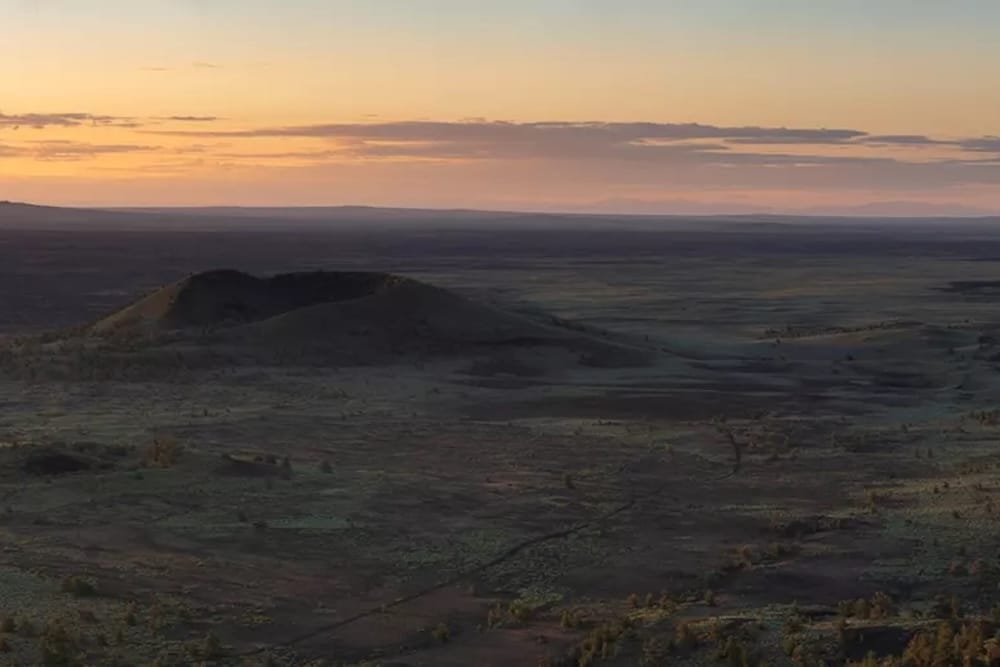
A Landscape Unlike Any Other in the American West
Tucked into the high desert plains of south-central Idaho, Craters of the Moon National Monument and Preserve is one of the most unusual and visually striking landscapes in the United States. Sprawling across more than 750,000 acres, it features an enormous lava field dotted with cinder cones, lava tubes, and volcanic formations that look more like the surface of another planet than a national park. For those who love the great outdoors and want to experience something genuinely rare, this destination delivers in ways that few others can.
The monument was established by President Calvin Coolidge on May 2, 1924, making it one of the older protected areas in the National Park System. Over the decades, its boundaries have expanded significantly. In 2000, President Bill Clinton used the Antiquities Act to extend the monument to include additional wilderness lands, and in 2002 it was redesignated as a national monument and preserve, a distinction that allows hunting in the preserve portion of the land.
The Volcanic History Behind This Remarkable Place
The lava fields at Craters of the Moon were formed by a series of volcanic eruptions along what geologists call the Great Rift of Idaho, a crack in the Earth's crust stretching roughly 60 miles in length. Volcanic activity in the area occurred in eight major eruptive periods over the past 15,000 years, with the most recent eruption taking place approximately 2,000 years ago. Scientists believe the area is not extinct but simply dormant, with another eruption possible within the next 1,000 years.
The landscape was shaped by basaltic lava flows, which are the kind of lava that spreads wide and flat rather than building up into tall peaks. Visitors will notice two distinct types of lava surfaces throughout the park: pahoehoe, which has a smooth, ropy texture, and a'a, which is rough, jagged, and looks almost like a pile of broken glass and rubble. Both types are fascinating to explore but require sturdy footwear, as the terrain can be surprisingly demanding.
Native American and Pioneer History at the Monument
Long before the monument was established, Native American peoples traveled through and around the lava fields for thousands of years. Archaeological evidence suggests that humans have been present in the region for at least 10,000 years. The Shoshone-Bannock Tribes of Idaho have deep cultural and historical ties to this landscape, using it as a travel corridor and a resource area for generations.
Early American explorers and emigrants traveling the Oregon Trail had to navigate around the lava fields, which were considered nearly impassable and threatening. The first detailed written description of the region came from a U.S. Army Corps of Engineers survey in the 1870s. It wasn't until the early twentieth century that the broader public began to take an interest in the area's scientific and recreational value, eventually leading to its protection under federal law.
Planning Your Visit to Craters of the Moon
The monument and preserve is managed by the National Park Service and is open year-round, though the primary visitor season runs from late spring through early fall. The main entrance and visitor center are located along U.S. Highway 20/26/93, about 18 miles west of Arco, Idaho, and roughly 90 miles west of Idaho Falls. The nearest larger city is Twin Falls, approximately 85 miles to the southwest.
- Entrance fees are currently $25 per vehicle, $20 per motorcycle, and $15 per person for those entering on foot or bicycle, with passes valid for seven days.
- America the Beautiful Annual Pass holders enter free, which is worth noting for frequent national park visitors.
- The visitor center is typically open daily from 8 a.m. to 6 p.m. during the summer season, with reduced hours in the fall and spring and limited hours in winter.
- The seven-mile Loop Road through the monument is paved and accessible by standard passenger vehicles, making it easy to reach the main attractions without a four-wheel-drive vehicle.
There is one developed campground in the monument, Lava Flow Campground, which offers 51 sites. It operates on a first-come, first-served basis during the early and late season, but reservations can be made through Recreation.gov during the peak summer months. There are no hookups for recreational vehicles, though the sites can accommodate most RV sizes. Camping fees are separate from the entrance fee.
Caves, Cones, and Craters: What to See and Do
One of the most popular activities at Craters of the Moon is exploring the lava tube caves. Several caves are accessible to visitors, including Indian Tunnel, which is the largest and can be walked through without any special equipment during daylight hours. Other caves, such as Beauty Cave, Boy Scout Cave, and Dewdrop Cave, require a flashlight and may involve some crawling. All cave visitors are required to obtain a free cave permit from the visitor center to help prevent the spread of White-nose Syndrome, a fungal disease that affects bats.
- Indian Tunnel stretches more than 800 feet in length and rises to about 30 feet tall in places, making it an impressive and accessible cave experience.
- The North Crater Flow Trail and the Devils Orchard Nature Trail are both short, paved walks ideal for visitors of all mobility levels.
- The Broken Top Loop offers a more strenuous four-mile hike across open lava flows with excellent views of cinder cones.
- Wildlife in the monument includes pronghorn antelope, mule deer, raptors, and numerous species of small mammals adapted to the high desert environment.
Stargazing has become one of the monument's most celebrated attractions in recent years. The remote location and minimal light pollution make Craters of the Moon one of the darkest night sky destinations in the lower 48 states. The monument has been recognized as an International Dark Sky Park, and ranger-led astronomy programs are offered during the summer season. For visitors who enjoy a slower pace and the wonder of a sky full of stars, this experience alone is worth the trip.
Tips for a Safe and Enjoyable Visit
The high desert environment at Craters of the Moon can be harsh, with summer temperatures on the dark lava surface often exceeding 150 degrees Fahrenheit, even on days when the air temperature is moderate. Visitors are strongly encouraged to carry plenty of water, wear sun protection, and plan more physically demanding hikes for the early morning or evening hours. The monument sits at an elevation of around 5,900 feet, which can also affect visitors who are not accustomed to higher altitudes.
Pets are welcome in the monument but must be kept on a leash at all times and are not permitted inside any of the caves. Cell phone coverage is limited throughout the monument, so downloading maps and information before arriving is a smart step. The National Park Service app includes offline maps for Craters of the Moon that can be genuinely useful once you are on-site.
To learn more visit https://www.nps.gov/crmo/index.htm.
Join the American Association of Retired Republicans today!
Dues are $12 per year. Member benefits:
✅ Ad-Free Website Viewing
✅ Advocacy for Republican Seniors
✅ Member Only Newsletters
Dues are $12 per year. Member benefits:
✅ Ad-Free Website Viewing
✅ Advocacy for Republican Seniors
✅ Member Only Newsletters