
News
A Deep Freeze That Claims to Heal: The Science and Reality Behind Cryotherapy
Cryotherapy, which literally means 'cold therapy,' is a treatment that exposes the body to extremely cold temperatures for a short period of time with the goal of reducing inflammation, relieving pain, improving recovery, and boosting overall wellness. While the concept of using cold to treat injuries and discomfort has been around for centuries, modern cryotherapy has evolved into a multi-billion dollar industry offering everything from full-body cryo chambers to localized cold packs and ice baths. For anyone curious about whether this chilly treatment might be worth trying, it helps to understand what the science actually says.
What Exactly Happens During a Cryotherapy Session
The most widely recognized form of modern cryotherapy is whole-body cryotherapy, or WBC, in which a person steps into a chamber cooled with liquid nitrogen to temperatures ranging from negative 200 to negative 300 degrees Fahrenheit for a session typically lasting two to four minutes. The extreme cold causes blood vessels near the skin to constrict, which pushes blood toward the body's core organs. When the session ends and the body warms back up, blood rushes back to the extremities, carrying oxygen and nutrients that proponents say speeds healing and reduces soreness.
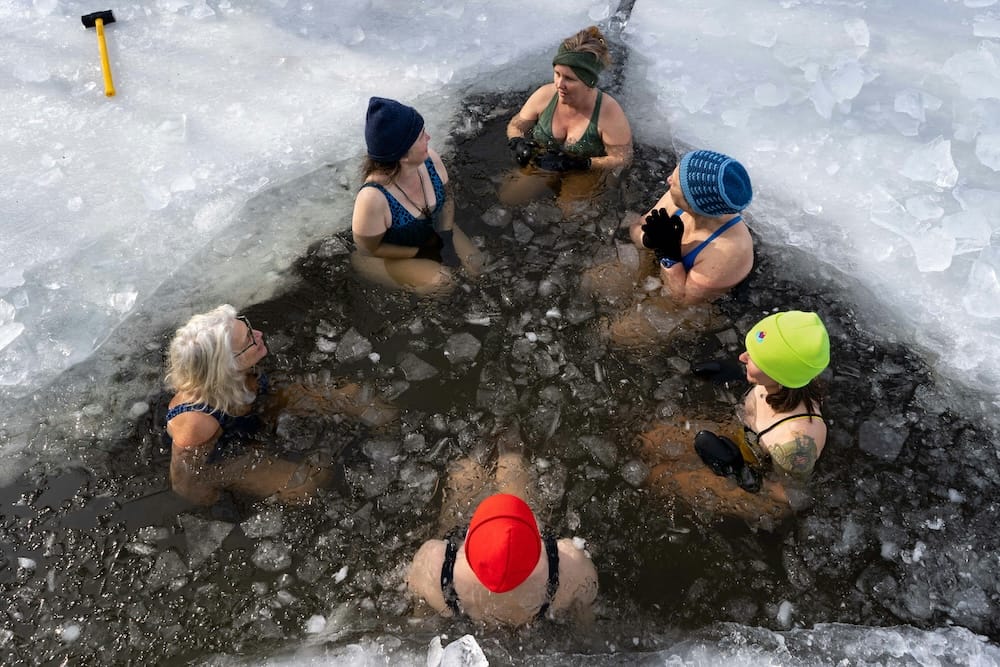
Localized cryotherapy, by contrast, targets a specific area of the body such as a knee, shoulder, or lower back, and is often used to treat sports injuries, arthritis flare-ups, and chronic pain. Ice packs, cold water immersion, and cryo facials are all variations of this more focused approach. Many physical therapists and sports medicine providers have used localized cold therapy for decades, making it one of the more time-tested applications of the broader cryotherapy concept.
What Does the Research Actually Say
The science behind cryotherapy is still evolving, and results from clinical studies have been mixed. The National Institutes of Health has noted that while cold therapy has shown benefits for muscle recovery and pain relief in some controlled studies, the evidence for whole-body cryotherapy specifically remains limited and inconsistent. A review published in the Cochrane Database of Systematic Reviews found that while whole-body cryotherapy may reduce muscle soreness after exercise, the quality of evidence was low and more rigorous research was needed before strong conclusions could be drawn.
Dr. Joseph Costello of the University of Portsmouth, who has studied cryotherapy extensively, has noted that cold water immersion tends to have stronger research support than whole-body nitrogen chambers for reducing post-exercise inflammation and aiding muscle recovery. His work suggests that simpler forms of cold therapy, such as cold baths, may offer many of the same benefits at a fraction of the cost. That said, researchers broadly agree that cryotherapy, in its various forms, does appear to help reduce short-term inflammation and pain in many individuals.
Who Tends to Use Cryotherapy and Why
Cryotherapy has become particularly popular among athletes, fitness enthusiasts, and people managing chronic pain conditions such as arthritis and fibromyalgia. Professional sports teams across the NFL, NBA, and Major League Baseball have incorporated whole-body cryotherapy into their recovery programs. Many older adults have also begun exploring cryotherapy as a drug-free way to manage joint pain and stiffness, reduce reliance on over-the-counter pain medications, and maintain an active lifestyle.
People seeking relief from conditions like osteoarthritis have found localized cryotherapy to be a practical option. The Arthritis Foundation has acknowledged that cold therapy can be effective for numbing painful joints and reducing swelling during flare-ups, though it recommends discussing any new treatment with a physician before starting. Cold therapy is also used in dermatology to remove skin tags, warts, and certain precancerous skin lesions through a process known as cryosurgery, which is a well-established and widely accepted medical procedure performed by licensed practitioners.
Potential Benefits Reported by Users and Researchers
- Reduced muscle soreness and faster recovery after exercise
- Decreased joint pain and inflammation, particularly in arthritis sufferers
- Improved circulation as the body warms back up after cold exposure
- Potential mood improvement due to the release of endorphins triggered by cold shock
- Short-term relief from chronic pain conditions including fibromyalgia
- Skin tightening and improved appearance reported with cryo facials
The Risks and Who Should Avoid It
Cryotherapy is not without risks, and the U.S. Food and Drug Administration has specifically cautioned consumers that whole-body cryotherapy is not a cleared or approved medical treatment for any specific condition. The FDA issued a consumer update warning that the devices used in whole-body cryotherapy have not been evaluated for safety or effectiveness in treating medical conditions. Reported risks include frostbite, burns from liquid nitrogen, numbness, and in rare cases, asphyxiation if oxygen is displaced by nitrogen gas in an enclosed space.
People with certain health conditions should avoid whole-body cryotherapy entirely. These include individuals with high blood pressure, heart disease, circulatory disorders, nerve damage, or cold sensitivity conditions such as Raynaud's disease. Pregnant women are also advised to avoid the treatment. For older adults in particular, it is essential to consult a primary care physician before beginning any cryotherapy regimen, as the cardiovascular stress caused by sudden extreme cold exposure may pose risks for those with underlying heart or vascular conditions.
Is Cryotherapy Worth the Cost
A single whole-body cryotherapy session typically costs between $40 and $100, with many facilities offering monthly memberships that bring the per-session price down. While some users report feeling immediately refreshed, energized, and pain-free after sessions, those effects vary widely from person to person. For most healthy adults without contraindications, a few sessions of localized or whole-body cryotherapy are unlikely to cause harm and may provide noticeable short-term relief. However, experts consistently caution that cryotherapy should be viewed as a complementary wellness option, not a replacement for proven medical treatments or a healthy lifestyle built on good nutrition, regular exercise, and adequate sleep.
Join the American Association of Retired Republicans today!
Dues are $12 per year. Member benefits:
✅ Ad-Free Website Viewing
✅ Advocacy for Republican Seniors
✅ 120+ Senior Discounts
✅ Member Only Newsletters
Dues are $12 per year. Member benefits:
✅ Ad-Free Website Viewing
✅ Advocacy for Republican Seniors
✅ 120+ Senior Discounts
✅ Member Only Newsletters