
News
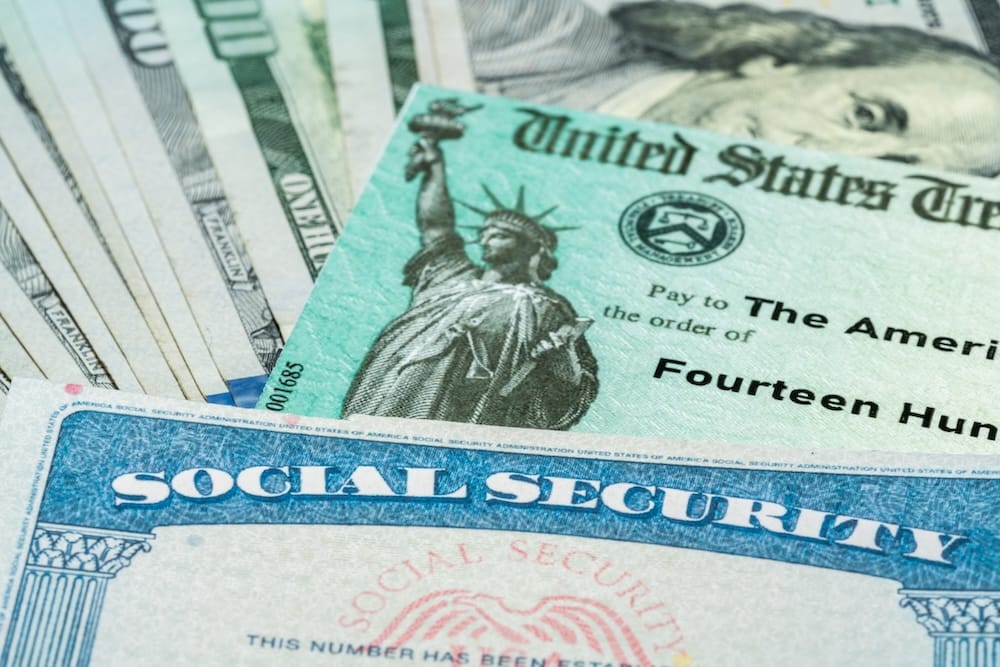
Understanding the Threat of Social Security Fraud
Social Security scams pose a serious risk to many seniors who rely on these benefits for their livelihood. Criminals often impersonate officials from the Social Security Administration or related agencies to trick people into giving away money or personal details. These fraudsters use various methods like phone calls, emails, texts, and even U.S. mail to create a sense of trust and urgency. It's important to recognize that legitimate government workers follow specific protocols and never demand immediate payments or sensitive information in suspicious ways. By staying vigilant, individuals can safeguard their financial security and peace of mind.
These scams have become more sophisticated over time, incorporating technology such as artificial intelligence to make their deceptions more convincing. For instance, scammers might use voice cloning or spoofed phone numbers that appear to come from official sources. The goal is always to exploit trust in government institutions, leading victims to act hastily without verifying the claims. Awareness of how these operations work is the first step in building a strong defense against them.
Common Types of Social Security Scams
One prevalent type involves phone calls where the caller claims there's a problem with your Social Security number or benefits. They might threaten legal action or arrest if you don't comply immediately. Another common scam comes through emails or texts that look official, often including links or attachments designed to steal information. Scammers also create fake websites or social media pages mimicking the Social Security Administration to gather personal data. Additionally, some frauds involve mailed letters with forged documents demanding payment or information.
In more advanced schemes, criminals use AI to enhance their tactics, such as generating realistic voices or messages. They may claim your benefits are at risk or offer fake prizes to lure you in. These methods are designed to pressure you into quick decisions, bypassing your natural caution. Understanding these variations helps in spotting them early and avoiding potential losses.
Scammers often target those who might be more vulnerable, but anyone can fall victim if not prepared. They exploit the complexity of Social Security systems to confuse and intimidate. By familiarizing yourself with these common approaches, you empower yourself to respond appropriately and protect your assets.
Recognizing Key Red Flags
A major warning sign is any communication that tries to create a sense of urgency, insisting on immediate action to avoid dire consequences. Legitimate agencies do not threaten arrest or suspend benefits without proper procedures. Another red flag is requests for payment through untraceable methods like gift cards, wire transfers, or cryptocurrency. Official entities never ask for such payments. Be wary of demands for personal information over unsecured channels, such as social media direct messages.
If the caller or message uses real names of employees or spoofs phone numbers, it's still suspicious without verification. Attachments or links in unexpected emails should never be opened, as they could install harmful software. Claims that your Social Security number can be suspended are false, as this is not possible. Recognizing these indicators allows you to pause and assess the situation calmly.
Practical Steps to Protect Yourself
Always verify the source of any communication claiming to be from the Social Security Administration by contacting them directly through official channels. Do not use numbers or links provided in suspicious messages; instead, look up the official contact information independently. Protect your personal information by never sharing your Social Security number unless absolutely necessary and verified.
- Memorize your Social Security number and keep the card in a secure place at home, not in your wallet.
- Shred any documents containing sensitive information before discarding them.
- Use strong, unique passwords for online accounts and enable two-factor authentication where possible.
- Regularly monitor your credit reports for any unusual activity.
These habits build a robust barrier against identity theft and fraud.
If you receive a suspicious call, hang up immediately and report it. Educate family members and friends about these risks to create a network of awareness. Staying proactive in these ways ensures your benefits remain secure.
What to Do If You've Been Targeted
If you suspect you've been scammed, stop all communication with the fraudster right away. Contact the three major credit bureaus to place a fraud alert on your reports, which helps prevent further misuse. You may also consider freezing your credit to block unauthorized access. Report the incident to the Office of the Inspector General through their official website or hotline.
File a report with the Federal Trade Commission and local law enforcement to document the event. If money was lost, reach out to your bank or payment provider for possible recovery options. Seek support from trusted resources to navigate the recovery process, which can be challenging but is essential for restoring security.
Remember, recovering from such an event takes time, but taking swift action minimizes damage. Keep records of all steps taken and communications for reference.
Staying Informed and Spreading Awareness
Keep up with the latest scam tactics by following official updates from the Social Security Administration. Participate in awareness campaigns like National Slam the Scam Day to learn and share knowledge. Discuss these topics with friends and family to help protect your community.
By sharing experiences and tips, you contribute to a collective defense against these criminals. Encouraging skepticism towards unsolicited contacts fosters a safer environment for everyone. Together, informed individuals can reduce the success rate of these fraudulent schemes.
Join the American Association of Retired Republicans today!
Dues are $12 per year. Member benefits:
✅ Ad-Free Website Viewing
✅ Advocacy for Republican Seniors
✅ Member Only Newsletters
Dues are $12 per year. Member benefits:
✅ Ad-Free Website Viewing
✅ Advocacy for Republican Seniors
✅ Member Only Newsletters