
News
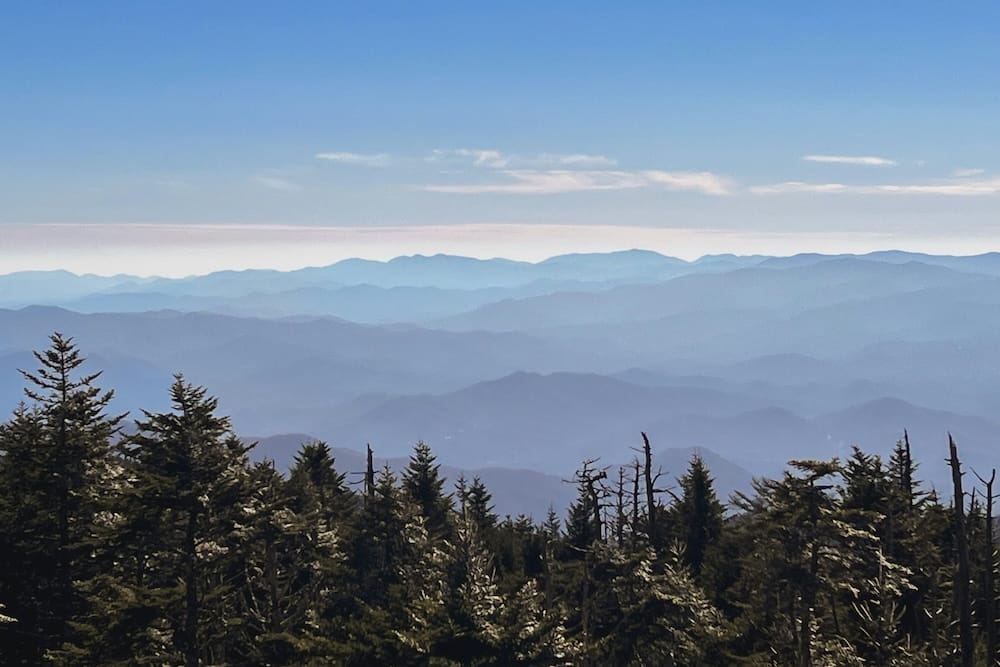
Exploring America's Most Visited National Park
The Great Smoky Mountains National Park spans over five hundred thousand acres across Tennessee and North Carolina, offering a wealth of natural beauty and historical sites that draw millions of visitors each year. This vast area, established in 1934, preserves ancient forests, diverse wildlife, and remnants of early American settlements, making it a perfect destination for those who appreciate the outdoors and our nation's heritage.
With no entrance fee, the park is accessible to all, though a parking tag is required for vehicles staying longer than fifteen minutes. This helps maintain the park's facilities and ensures everyone can enjoy its wonders responsibly.
Best Times to Visit for Optimal Enjoyment
The park welcomes visitors year-round, each season bringing its own charm. Spring bursts with colorful wildflowers, while summer provides warm days ideal for hiking and tubing. Fall showcases vibrant foliage, and winter offers serene landscapes with fewer crowds.
For those seeking to avoid heavy crowds, consider traveling in May or November. Wildlife enthusiasts might prefer May or October, when animals are more active. If backpacking appeals, July or August provides excellent opportunities, though be prepared for potential thunderstorms.
No matter the season, always check weather conditions, as elevations can lead to sudden changes. Packing layers and sturdy footwear ensures comfort during your explorations.
Getting There and Navigating the Park
Access the park through main gateways like Sugarlands near Gatlinburg, Tennessee, or Oconaluftee near Cherokee, North Carolina. The closest major airport is McGhee Tyson in Knoxville, about a 70 minute drive to Gatlinburg.
A personal vehicle is essential, as no public transportation operates within the park. Scenic drives such as Newfound Gap Road, a 29 mile route bisecting the park, offer stunning views and access to trailheads. Other notable roads include the 11 mile Cades Cove Loop and the Roaring Fork Motor Nature Trail, perfect for spotting wildlife and historic structures.
For those with recreational vehicles, main roads are generally accommodating, but check restrictions on narrower paths. Planning your route ahead helps avoid traffic during peak times.
Accommodations Inside and Around the Park
Inside the park, options include nine frontcountry campgrounds, with sites available for under 25 dollars per night. Backcountry camping is free but requires permits and reservations. The unique LeConte Lodge, perched on Mount LeConte, provides rustic lodging accessible only by hike, with meals included.
Outside the park, gateway towns like Gatlinburg, Townsend, and Cherokee offer hotels, cabins, and resorts. Places such as Westgate Smoky Mountain Resort or Harrah's Cherokee Casino Resort provide comfortable stays with amenities. For a more traditional experience, consider campgrounds like Townsend Great Smokies KOA or Little Arrow Outdoor Resort.
Booking in advance is crucial, especially during busy seasons, to secure your preferred spot.
Top Activities and Must-See Sights
Hiking enthusiasts will find over 800 miles of trails, ranging from easy walks to challenging summits. Popular spots include Clingmans Dome, the park's highest point, with a half-mile paved path to an observation tower offering panoramic views. The Alum Cave Trail leads to Mount LeConte, featuring inspiring vistas and unique geological formations.
Waterfalls abound, such as Laurel Falls, an 80 foot cascade reached by a two-and-a-half-mile trail, or Spruce Flats Falls, a 30 foot drop in a less crowded area. For a refreshing activity, tube down the Little River in summer, with outfitters providing equipment for calm floats or adventurous rapids.
Historic sites preserve the area's pioneer past, including log cabins, grist mills, and one-room schoolhouses in areas like Cades Cove and Roaring Fork. Ranger-led programs, such as hayrides and historical demonstrations, offer educational insights into the region's history.
Wildlife viewing is a highlight, with black bears, elk, and salamanders calling the park home. Early mornings or evenings in places like Cataloochee Valley increase chances of sightings. Remember to maintain a safe distance and store food properly to protect both you and the animals.
Suggested Itineraries for Your Stay
For a one day visit, start with a hike to Spruce Flats Falls, followed by tubing on the Little River, and end with the Cades Cove Loop for scenic views and wildlife.
Over two days, drive Newfound Gap Road, hike to Mount LeConte or Andrews Bald, and visit Clingmans Dome for sunset views. On the third day, explore Laurel Falls, the Roaring Fork trail, and Rainbow Falls, known for its eighty-foot drop and potential bear sightings.
For four days, add a trip to the remote Big Creek area for Midnight Hole swimming and Mouse Creek Falls. These plans allow time to appreciate the park's diversity without rushing.
Essential Tips for a Safe and Enjoyable Trip
Pack essentials like water, snacks, rain gear, and a map from visitor centers. Trails can be slippery, so wear appropriate shoes and inform someone of your plans.
Follow Leave No Trace principles to preserve the environment. In bear country, make noise on trails and use bear canisters for food storage. Avoid feeding wildlife to prevent dangerous behaviors. The park sees over fourteen million visitors annually, so arrive early to secure parking. Check for road closures and seasonal schedules to plan accordingly.
As Horace Kephart once described, 'The foreground of such a landscape, in summer, is warm, soft, dreamy, caressing, habitable… beyond it are gentle and luring solitudes the remote ranges are inexpressibly lonesome, isolated, and mysterious; but everywhere the green forest mantle bespeaks a vital present; no-where does cold, bare granite stand as the sepulchre of an immemorial past.'
With careful planning, your visit to Great Smoky Mountains National Park will create lasting memories of America's natural splendor. For more information visit the Official Great Smoky Mountains National Park website.
Join the American Association of Retired Republicans today!
Dues are $12 per year. Member benefits:
✅ Ad-Free Website Viewing
✅ Advocacy for Republican Seniors
✅ Member Only Newsletters
Dues are $12 per year. Member benefits:
✅ Ad-Free Website Viewing
✅ Advocacy for Republican Seniors
✅ Member Only Newsletters