
News
Embarking on Your Gardening Journey
Starting a garden at home offers a rewarding way to connect with nature and provide fresh produce for your family. Many folks find joy in growing their own food, fostering self-sufficiency and creating opportunities for family bonding through shared activities in the yard.
This guide draws from reliable gardening resources to help newcomers avoid common pitfalls and set up a productive space. Whether you have a spacious backyard or a small patio, the key is to begin modestly and build confidence over time.
Selecting the Ideal Location
The spot you choose plays a big role in your garden's success. Look for an area that gets at least six to eight hours of direct sunlight each day, as most vegetables and herbs need this to grow well. Observe how sunlight moves across your yard throughout the day to pick the sunniest place.
Keep the garden close to your home so it's easy to check on regularly. Position it near a water source, like a spigot, to simplify watering without hauling heavy containers far. Avoid spots shaded by trees or buildings, which can limit growth and reduce yields significantly.
Consider the space available. For those with limited room, containers or raised beds work well, allowing gardening on patios or balconies. This approach also helps in managing soil quality and drainage effectively.
Understanding and Preparing Soil
Good soil is the foundation of a healthy garden. Aim for dark, crumbly earth that's easy to dig into, rich in organic matter. If your native soil is hard, sandy, or clay-like, improve it by mixing in compost, which enhances drainage, adds nutrients, and improves structure.
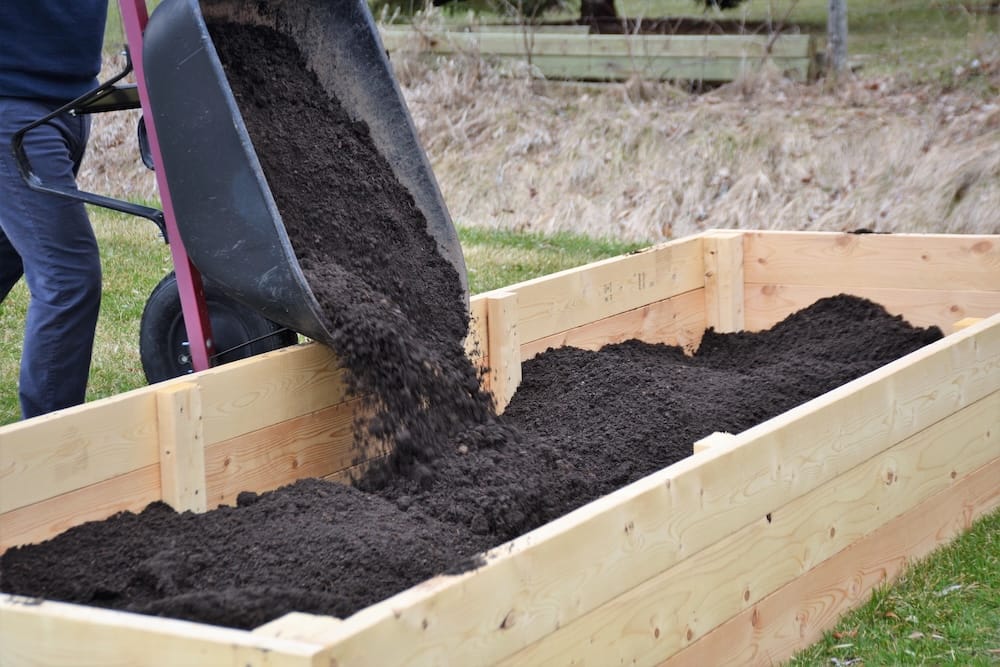
Compost can be made from kitchen scraps, grass clippings, and leaves, or purchased from a local nursery. For in-ground gardens, blend three inches of compost into the top six to eight inches of soil. Raised beds benefit from a specialized soil mix designed for better texture and nutrient retention.
Test your soil's pH, ideally between 6.0 and 7.0 for most plants. Adding natural fertilizers like crushed eggshells or coffee grounds can enrich the soil without chemicals, promoting strong root development and plant health.
Deciding on Garden Type: Raised Beds or In-Ground
Raised beds are popular for beginners because they offer better drainage, warmer soil in spring, and easier access without much bending. They are especially useful if your ground soil is poor. Build them using wood, metal, or stone, filling with a quality soil blend.
In-ground gardens are less expensive and blend naturally into the yard, suitable for larger spaces. However, they may require more effort to amend the soil and manage weeds. Whichever you choose, ensure pathways are wide enough for easy movement, about three feet for wheelbarrows.
Containers provide flexibility for small areas, allowing you to grow edibles like tomatoes or herbs in pots. Select containers with good drainage and fill them with potting mix that retains moisture appropriately.
Choosing Plants for Success
Start with easy-to-grow vegetables to build confidence. Tomatoes thrive in sunny spots and need support like cages or stakes; they produce flavorful fruits with proper care. Lettuce grows quickly in shallow pots or beds, allowing you to harvest leaves as needed without pulling the whole plant.
Carrots are straightforward, planted directly in loose soil, and take time to mature underground. Green beans are productive; regular picking encourages more pods. For herbs, basil and parsley are simple additions that enhance family meals.
Check your local hardiness zone to select plants that match your climate. Begin with a mix of seeds and seedlings—seeds for carrots and beans, seedlings for tomatoes and peppers to speed up the process.
Planting and Watering Essentials
Timing is crucial; plant warm-season crops like tomatoes after the last frost when soil is warm. Cool-season options like lettuce can go in early spring or fall. Follow seed packet instructions for depth and spacing to avoid overcrowding.
Water deeply but infrequently, aiming for about one inch per week. Check soil moisture by sticking a finger an inch deep—if dry, it's time to water. Morning watering reduces evaporation and prevents disease from wet leaves overnight.
Use mulch like straw or wood chips around plants to retain moisture, suppress weeds, and regulate soil temperature. This simple step cuts down on maintenance time, letting you enjoy the garden more.
Maintaining Your Garden
Regular feeding keeps plants strong. Apply a balanced organic fertilizer monthly, especially for heavy feeders like tomatoes. Watch for pests by inspecting leaves often; hand-pick insects or use netting to protect crops without harsh methods.
Weed early and often to prevent competition for nutrients. Mulching helps here too. As seasons change, harvest at peak ripeness—tomatoes when fully colored and soft, beans when they snap easily—to get the best flavor.
Involve family members in tasks like watering or harvesting to make it a shared experience. Track progress in a journal to learn from each season.
Avoiding Common Beginner Mistakes
Many new gardeners plant too much at once, leading to overwhelm. Start with three to five types and expand later. Overwatering can weaken roots, so let soil dry slightly between sessions.
Ignoring soil health results in poor growth, so prioritize composting. Don't give up after setbacks; weather and pests are part of the process. Each year brings better results through experience.
Gardening fosters patience and resilience, values that resonate in family life. With these steps, your home garden can become a source of fresh, healthy food and lasting memories.
Join the American Association of Retired Republicans today!
Dues are $12 per year. Member benefits:
✅ Ad-Free Website Viewing
✅ Advocacy for Republican Seniors
✅ Member Only Newsletters
Dues are $12 per year. Member benefits:
✅ Ad-Free Website Viewing
✅ Advocacy for Republican Seniors
✅ Member Only Newsletters