News
New SNAP Restrictions Roll Out in Five States
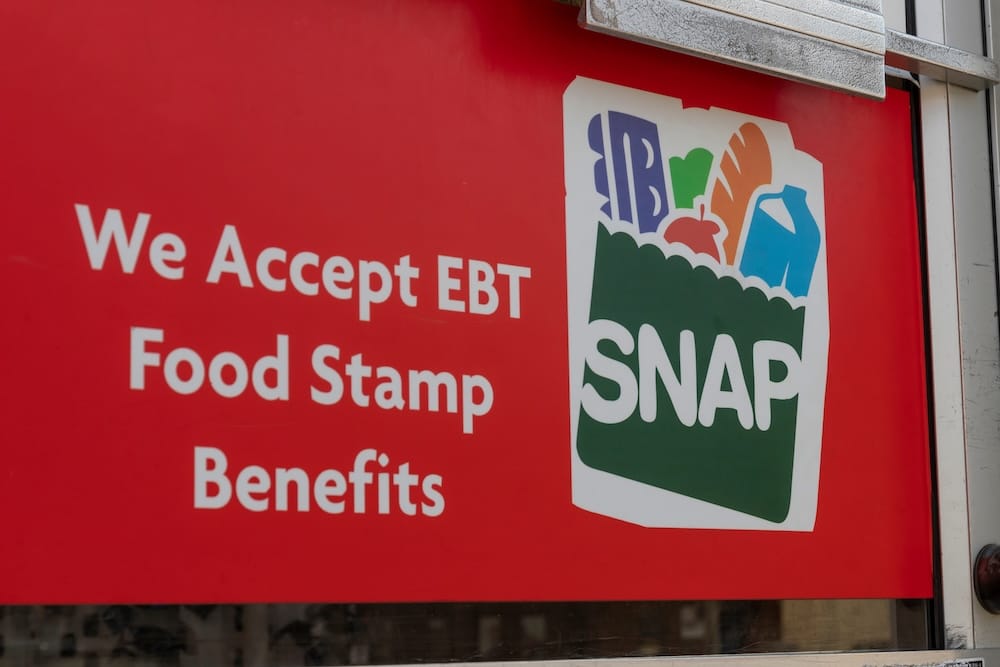
Starting January 1, 2026, residents in Indiana, Iowa, Nebraska, Utah, and West Virginia who rely on the Supplemental Nutrition Assistance Program (SNAP) will face new limits on what they can purchase with their benefits. These restrictions, approved through waivers by the U.S. Department of Agriculture (USDA), target items like soda, candy, and other foods deemed unhealthy. This move impacts approximately 1.4 million SNAP participants and is part of a broader push under the Trump administration's Make America Healthy Again initiative.
The initiative, spearheaded by Health and Human Services Secretary Robert F. Kennedy Jr. and Agriculture Secretary Brooke Rollins, aims to improve health outcomes by redirecting taxpayer-funded benefits toward more nutritious options. The USDA has emphasized that these waivers allow states to tailor their programs to address specific health concerns like obesity, which has been a growing issue across the nation.
State Leadership and Federal Support Drive Change
State leaders have expressed strong support for these changes, viewing them as a necessary step to promote healthier lifestyles. Indiana Governor Mike Braun, who joined President Donald J. Trump at the White House to announce the waivers, stated, 'I am very pleased to announce that the USDA signed our waiver to remove sugary drinks and candy from the taxpayer-funded SNAP program. Indiana is proud to lead the way.' His commitment reflects a shared goal among the five states to prioritize public health.
The USDA has approved these waivers as part of a larger effort to empower states with flexibility in managing SNAP benefits. Secretary Rollins has been instrumental in signing off on these restrictions, ensuring that unhealthy food items are no longer purchasable with federal assistance in these jurisdictions. This federal backing underscores the administration's focus on aligning welfare programs with health-conscious policies.
Broader Implications and Future Expansion
These five states are just the beginning, as at least 18 states are set to implement similar changes to SNAP benefits in the coming year. The restrictions aim to curb chronic health issues by limiting access to sugary and non-nutritious foods, though they have sparked discussions about implementation costs and accessibility to healthier alternatives. The USDA continues to encourage other states to submit waivers that address their unique needs.
The Make America Healthy Again initiative represents a significant shift in how federal food assistance programs operate, prioritizing long-term health benefits over short-term convenience. As more states join this effort, the impact on SNAP recipients and public health metrics will be closely monitored, with the hope of fostering a healthier nation through targeted policy changes.
Join the American Association of Retired Republicans today!
Dues are $12 per year. Member benefits:
✅ Ad-Free Website Viewing
✅ Advocacy for Republican Seniors
✅ 120+ Senior Discounts
✅ Member Only Newsletters
Dues are $12 per year. Member benefits:
✅ Ad-Free Website Viewing
✅ Advocacy for Republican Seniors
✅ 120+ Senior Discounts
✅ Member Only Newsletters