
News
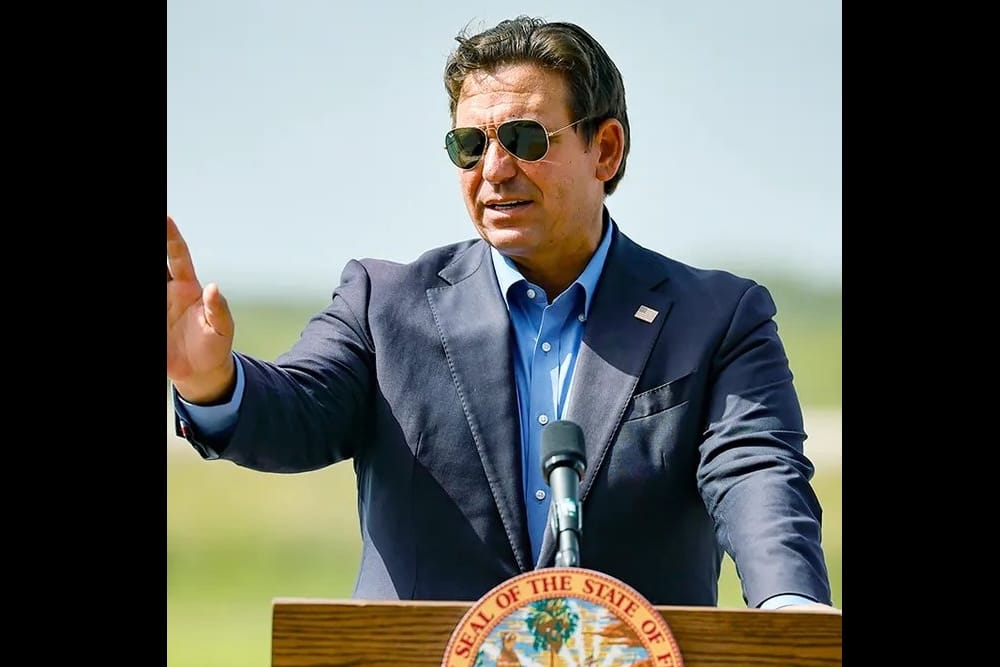
DeSantis Takes Decisive Action Against Terror Threats
On December 8, Florida Governor Ron DeSantis issued an executive order designating the Council on American-Islamic Relations (CAIR) and the Muslim Brotherhood as foreign terrorist organizations. This significant step aims to protect Floridians by cutting off support to groups that the state alleges have ties to dangerous entities. The move mirrors a similar action taken by Texas Governor Greg Abbott last month, signaling a growing concern among state leaders about these organizations' activities.
The executive order directs Florida agencies to deny any form of support or cooperation with CAIR and the Muslim Brotherhood. Governor DeSantis emphasized the importance of this designation in safeguarding the state, as reflected in his public statements on social media platforms. This action underscores a commitment to prioritizing the safety of Florida's citizens over external influences.
Legislative Support and Future Protections
Following the executive order, members of the Florida Legislature are reportedly working on legislation to further strengthen protections against these groups. Governor DeSantis expressed hope that lawmakers will codify measures to stop what he described as the 'creep of sharia law' in the state. This legislative push aims to ensure long-term safeguards for Floridians against the influence of CAIR and the Muslim Brotherhood.
The governor's proactive stance is evident in his call for state laws that reinforce the executive order's intent. This collaborative effort between the governor's office and the legislature highlights a unified approach to addressing perceived threats within Florida's borders, focusing on maintaining law and order.
Response and Legal Challenges Ahead
The designation has not been without controversy, as CAIR and its Florida chapter have announced plans to file a lawsuit against Governor DeSantis. They have called the executive order 'unconstitutional' and 'defamatory,' arguing that it unfairly targets a civil rights organization. This legal battle could set a precedent for how states handle designations of this nature in the future.
Despite the pushback, Governor DeSantis remains steadfast in his decision, as seen in his public communications. His administration's focus continues to be on protecting Florida's residents, aligning with a broader commitment to security and sovereignty at the state level. The outcome of the impending legal challenge will likely draw significant attention as this issue unfolds.
Join the American Association of Retired Republicans today!
Dues are $12 per year. Member benefits:
✅ Ad-Free Website Viewing
✅ Advocacy for Republican Seniors
✅ 120+ Senior Discounts
✅ Member Only Newsletters
Dues are $12 per year. Member benefits:
✅ Ad-Free Website Viewing
✅ Advocacy for Republican Seniors
✅ 120+ Senior Discounts
✅ Member Only Newsletters