
News
A New Generation of Home Health Technology Puts Patients in Charge
Managing health from home has never been more practical or more powerful, thanks to a wave of innovative medical devices now available directly to consumers. From blood pressure monitors that sync with smartphones to wearable heart trackers that alert users to irregular rhythms, today's home medical devices are giving millions of Americans more control over their own health — and in many cases, helping them catch serious problems before a crisis occurs.
The global home medical devices market was valued at over $50 billion in recent years, and analysts expect it to continue growing steadily as the population ages and more people seek to manage chronic conditions at home. For those who want to stay out of the doctor's office as much as possible while staying on top of their health, the timing could not be better.
Blood Pressure Monitors: The Gold Standard Gets Smarter
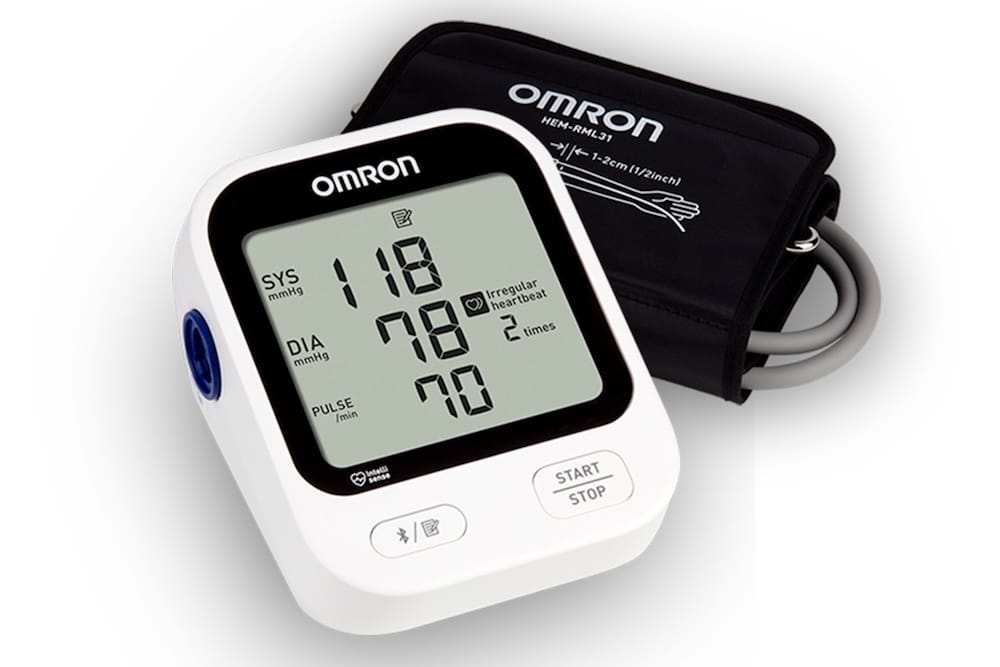
High blood pressure remains one of the most common — and most dangerous — conditions affecting Americans over 50. Traditional cuff monitors have been a household staple for decades, but newer models now offer Bluetooth connectivity, automatic data logging, and even irregular heartbeat detection built in. Devices from brands like Omron and Withings can send readings directly to a smartphone app, creating a running log that a doctor can review at any appointment.
The American Heart Association has long recommended regular home monitoring for those with hypertension, noting that readings taken at home are often more accurate than those taken in a clinical setting, where anxiety can temporarily push numbers higher. Many of today's top-rated monitors are validated by independent medical organizations and cleared by the U.S. Food and Drug Administration, giving users confidence in the accuracy of their readings.
Wearable Heart Monitors: Catching What Doctors Might Miss
Perhaps no home health device has made a bigger impact in recent years than the consumer-grade electrocardiogram, or ECG, wearable. The Apple Watch Series 9 and the Samsung Galaxy Watch both include FDA-cleared ECG features that can detect atrial fibrillation, a potentially life-threatening irregular heart rhythm that often goes undiagnosed because it comes and goes unpredictably.
Beyond smartwatches, dedicated devices like the KardiaMobile from AliveCor allow users to take a medical-grade ECG reading in just 30 seconds using a small, credit-card-sized device that pairs with a smartphone. AliveCor has noted that its devices have been used to detect heart conditions in users who had no prior symptoms. These tools are particularly valuable for older adults who may experience subtle or atypical symptoms of heart rhythm problems.
Continuous Glucose Monitors: Freedom for Diabetics
For Americans managing Type 2 diabetes — a condition that disproportionately affects those over 50 — continuous glucose monitors have been a game changer. Devices like the Abbott FreeStyle Libre and the Dexcom G7 use a small sensor worn on the skin to measure blood sugar levels continuously throughout the day and night, eliminating the need for frequent finger-stick tests.
The Dexcom G7, which received FDA clearance, streams real-time glucose data to a user's phone and can send alerts when levels go too high or too low. Abbott's FreeStyle Libre 3 is now the smallest continuous glucose sensor available and can be worn for up to 14 days. These devices have shown in multiple clinical studies to help users better manage their blood sugar, reducing dangerous swings that can lead to hospitalizations.
Pulse Oximeters and Portable Oxygen Tools
The COVID-19 pandemic introduced millions of Americans to the pulse oximeter, a small clip-on device that measures the oxygen level in the blood. While the pandemic may have faded, the value of these devices has not. For older Americans with conditions like chronic obstructive pulmonary disease, heart failure, or sleep apnea, monitoring blood oxygen levels at home can provide critical early warning signs that something is wrong.
Medical experts note that a normal blood oxygen reading should be between 95 and 100 percent. Readings that drop below 90 percent may indicate a need for immediate medical attention. Devices like the Masimo MightySat and Nonin models are considered among the most accurate on the consumer market and are used by both home users and medical professionals.
Smart Scales and Body Composition Monitors
Weight changes — particularly sudden gains — can be an early sign of fluid buildup related to heart failure or kidney disease. Smart scales from companies like Withings and Garmin do far more than display a number. They can measure body fat percentage, muscle mass, hydration levels, and even cardiovascular age based on a concept called pulse wave velocity, sending all data directly to a health tracking app.
Withings' Body Scan scale, which has received considerable attention from health professionals, can even perform a basic ECG through the handles and measure nerve activity in the legs — a feature relevant for diabetics monitoring for nerve damage. These devices turn a routine morning weigh-in into a comprehensive daily health check.
Blood Glucose Meters and At-Home Lab Testing
Traditional fingerstick glucose meters remain widely used and have grown more sophisticated. Newer meters require smaller blood samples, deliver results faster, and connect wirelessly to health apps. Beyond glucose, companies like Everlywell and LetsGetChecked have expanded the at-home lab testing market dramatically, offering kits that test for thyroid function, cholesterol, vitamin deficiencies, and more — all with a simple finger-prick or saliva sample sent by mail to a certified laboratory.
These services have proven especially popular with older Americans who want regular health screenings without scheduling time-consuming clinic visits. Results are reviewed by licensed physicians and returned securely through an online portal, often within a few days.
What to Look For When Choosing a Home Medical Device
With so many options on the market, choosing the right device can feel overwhelming. Health experts consistently recommend looking for devices that carry FDA clearance or approval, as this indicates the product has met standards for safety and accuracy. Consumers should also check whether a device has been validated by independent medical organizations, such as the American Medical Association or the European Society of Hypertension, whose standards are internationally recognized.
- Look for FDA clearance or approval on the product label or packaging
- Check whether the device connects to a smartphone or tablet for easy data sharing with a doctor
- Confirm that the device comes with clear instructions and reliable customer support
- Read user reviews from verified purchasers to gauge real-world performance
- Ask your physician which devices they recommend or can integrate with their patient portal
The rapid growth of home medical technology reflects a broader shift in American health care — one that puts more information, and more power, directly in the hands of patients. For older Americans who want to stay healthy, independent, and informed, these devices represent one of the most practical investments available today.
Join the American Association of Retired Republicans today!
Dues are $12 per year. Member benefits:
✅ Ad-Free Website Viewing
✅ Advocacy for Republican Seniors
✅ 120+ Senior Discounts
✅ Member Only Newsletters
Dues are $12 per year. Member benefits:
✅ Ad-Free Website Viewing
✅ Advocacy for Republican Seniors
✅ 120+ Senior Discounts
✅ Member Only Newsletters