News
A Colorado Counselor's Fight for Faith Reaches the Nation's Highest Court
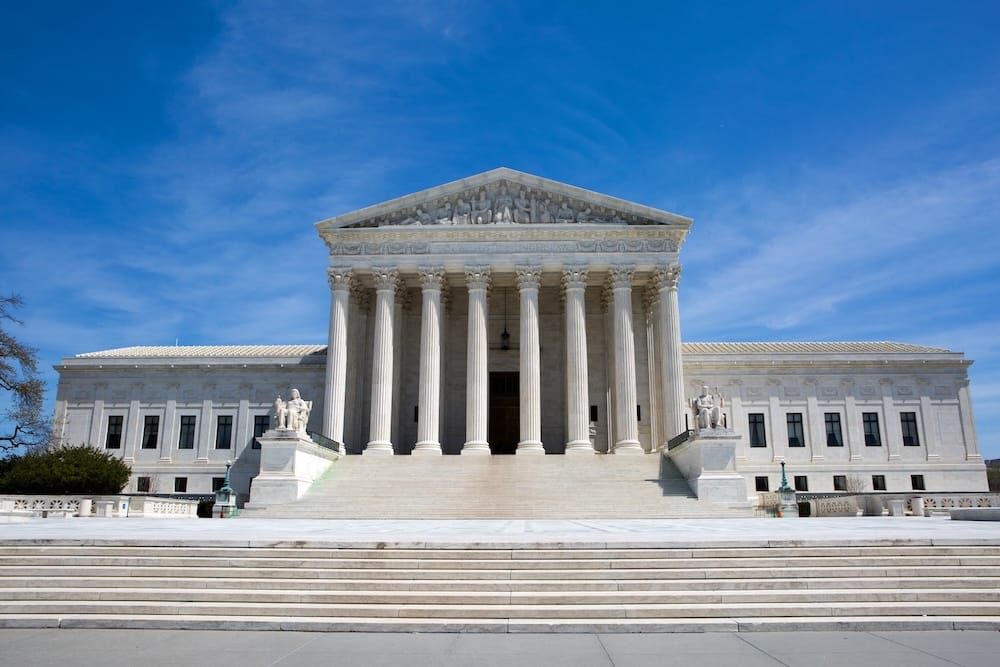
In a landmark decision with far-reaching implications for religious liberty and free speech, the United States Supreme Court sided with Kaley Chiles, a licensed professional counselor from Colorado who challenged a state law that required her to affirm the gender identity of minor clients, even when doing so conflicted with her sincerely held Christian beliefs. The ruling is being celebrated by religious freedom advocates across the country as a major victory for conscience rights and the limits of government authority over speech.
Who Is Kaley Chiles and What Did She Challenge?
Kaley Chiles is a licensed professional counselor based in Colorado who operates her practice in accordance with her Christian faith. Colorado enacted a law that prohibited counselors from providing therapy that failed to affirm a minor client's chosen gender identity, effectively banning what critics call 'conversion therapy.' Chiles argued that the law forced her to communicate government-mandated messages to her clients, violating her First Amendment rights to free speech and free exercise of religion. She maintained that her counseling approach, rooted in her faith, focuses on helping clients align with their biological sex, and that the state had no authority to compel her to abandon that approach.
Chiles brought her legal challenge with the support of Alliance Defending Freedom, a prominent religious liberty legal organization that has successfully argued numerous landmark cases before the Supreme Court. Alliance Defending Freedom attorneys argued that Colorado's law amounted to unconstitutional compelled speech, forcing licensed professionals to deliver a message they fundamentally disagreed with under threat of losing their professional licenses.
What the Supreme Court Decided
The Supreme Court's decision in favor of Chiles represents a significant check on state power to regulate the speech of licensed professionals. The Court found that Colorado's law violated the First Amendment by compelling counselors to affirm messages they do not believe, effectively requiring them to act as mouthpieces for government-approved ideology. The ruling reaffirmed that the government cannot force individuals, even licensed professionals, to speak in ways that contradict their deeply held beliefs without running afoul of constitutional protections.
Alliance Defending Freedom Senior Counsel John Bursch stated, 'Kaley simply wanted to serve her clients in a way consistent with her faith and her professional judgment. The government cannot force a counselor to say things she believes are harmful to her clients.' The decision was welcomed by conservative and religious communities who have long contended that such laws are not about protecting children but about silencing dissenting viewpoints on gender ideology.
The Broader Legal Landscape
The Chiles case is part of a broader wave of legal battles over so-called 'conversion therapy' bans that have been enacted in more than twenty states. Supporters of these laws argue they protect minors from harmful practices, but critics, including many licensed counselors, therapists, and religious organizations, contend the laws are overly broad and unconstitutional. The Supreme Court's ruling in favor of Chiles adds significant momentum to legal challenges against similar laws in other states.
The decision builds on a line of Supreme Court precedent protecting free speech rights, including the 2018 ruling in National Institute of Family and Life Advocates v. Becerra, which struck down a California law requiring pro-life pregnancy centers to post notices about state abortion services. In that case, the Court made clear that the government cannot compel speech simply because it disagrees with the speaker's viewpoint. The Chiles ruling extends that principle to the counseling profession, a context courts have wrestled with in recent years.
What This Means for Christian Counselors Nationwide
For thousands of licensed counselors and therapists across the country who operate from a faith-based perspective, the Supreme Court's decision provides crucial legal protection. These professionals have faced an increasingly hostile regulatory environment in states with progressive legislatures, where laws have threatened their livelihoods for declining to affirm gender transitions in minors. The ruling signals that the Constitution protects their right to counsel in a manner consistent with their faith and professional judgment.
- Christian counselors in states with similar laws may now have grounds to challenge those restrictions.
- State licensing boards that have threatened to revoke licenses for non-affirmation may face legal liability.
- The decision reinforces that professional licensing cannot be used as a tool to silence religious viewpoints.
- Alliance Defending Freedom and other religious liberty organizations are expected to cite this ruling in pending cases across the country.
Kaley Chiles herself expressed relief and gratitude following the decision, stating, 'I counsel my clients with care and compassion, and I should never be forced by the government to promote beliefs that conflict with truth and with my faith. I am grateful the Supreme Court recognized that.' Her words resonated with many Americans who believe that government overreach into the counseling room threatens not only religious liberty but the integrity of the therapeutic relationship itself.
Reactions From Religious Liberty Advocates
The ruling was met with widespread praise from religious liberty organizations, conservative legal scholars, and faith communities. Alliance Defending Freedom President and CEO Kristen Waggoner called the decision 'a tremendous victory for the freedom of every American to speak and counsel in accordance with their convictions.' She emphasized that the ruling protects professionals from being coerced by the state into becoming instruments of an ideological agenda they oppose.
The case has also drawn attention to the growing tension between state anti-discrimination policies and constitutionally protected religious expression. Legal analysts noted that the Supreme Court's decision makes clear that even in the context of professional licensing, the government must respect the First Amendment rights of individuals who hold traditional views on gender and human sexuality. For many conservatives, the ruling is a reaffirmation that the Constitution was designed to protect unpopular speech and minority viewpoints from government suppression, not just those that align with prevailing cultural trends.
Join the American Association of Retired Republicans today!
Dues are $12 per year. Member benefits:
✅ Ad-Free Website Viewing
✅ Advocacy for Republican Seniors
✅ 120+ Senior Discounts
✅ Member Only Newsletters
Dues are $12 per year. Member benefits:
✅ Ad-Free Website Viewing
✅ Advocacy for Republican Seniors
✅ 120+ Senior Discounts
✅ Member Only Newsletters