News
Advancing American Priorities in Energy Policy
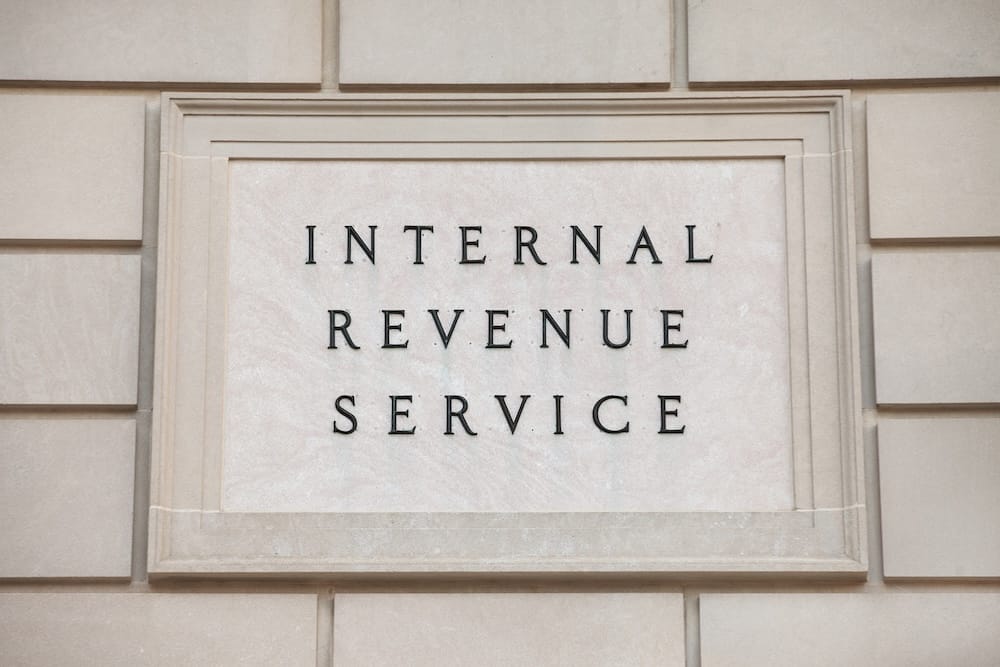
The U.S. Treasury Department has taken a significant step to implement President Donald Trump's tax reforms by releasing interim guidance that restricts the use of Chinese-made equipment in projects seeking federal clean energy subsidies. This move aligns with the administration's focus on bolstering domestic manufacturing and reducing dependence on foreign adversaries. The rules, detailed in a public notice from the Internal Revenue Service, apply to tax credits for clean energy manufacturing and electricity generation, ensuring that American taxpayers' dollars support homegrown industries rather than those influenced by prohibited foreign entities.
Under the One Big Beautiful Bill Act passed last July, these provisions accelerate the expiration of certain Biden-era incentives while introducing safeguards against foreign influence. The guidance specifies that companies cannot claim credits if their projects rely heavily on components from China, Russia, Iran, or North Korea. This policy reflects President Trump's commitment to protecting national security and economic interests by curbing reliance on supply chains vulnerable to foreign manipulation.
Key Provisions of the Interim Guidance
The IRS notice outlines formulas and procedures for determining if a project receives 'material assistance' from a prohibited entity. Taxpayers can use assigned cost percentages for components or rely on supplier certifications to verify eligibility. These measures provide clarity for solar and wind project developers who have been awaiting direction since the law's enactment. As Yogin Kothari, chief strategy officer for the Solar Energy Manufacturers for America Coalition, stated, 'There's been so many projects that have been in limbo, so having some clarification out there should certainly be more helpful than hurtful.' This sentiment underscores the importance of these rules in moving forward with domestic energy initiatives.
The restrictions expand beyond previous limitations that only applied to clean vehicle credits. Now, they encompass credits under sections like 45X for advanced manufacturing, 45Y for clean electricity production, and 48E for clean electricity investment. Entities owned or influenced by specified foreign powers are barred from accessing these benefits, promoting a level playing field for American businesses.
Prohibited foreign entities include specified foreign entities and foreign-influenced entities, with thresholds for ownership and control. For instance, an entity is considered foreign-influenced if a specified foreign entity owns at least 25 percent or holds effective control over operations. These definitions help prevent circumvention and ensure credits support U.S. priorities.
Impact on Domestic Manufacturing and Supply Chains
Domestic production of solar panels and batteries has grown, yet many inputs still come from overseas, particularly China, the world's largest producer of solar components. The new rules aim to shift this balance by disallowing credits for projects exceeding certain material assistance cost ratios from prohibited entities. For 2026, thresholds vary: 40 percent for qualified facilities under sections 45Y and 48E, and higher for specific components like 50 percent for solar modules under section 45X.
The guidance includes safe harbors for compliance, such as using existing domestic content tables for cost calculations. Taxpayers must maintain documentation and can face penalties for false certifications. This framework encourages suppliers to certify non-prohibited sourcing, fostering transparency and accountability in the supply chain.
President Trump's administration views these restrictions as essential to hindering overreliance on Chinese supply chains, which he has criticized. By enforcing these rules, the U.S. strengthens its energy sector's resilience and supports job creation at home. The interim rules are effective until formal regulations are proposed, with a 45-day comment period to refine future guidance.
Safe Harbors and Compliance Strategies
The notice provides interim safe harbors for calculating material assistance cost ratios, allowing taxpayers to reference tables from prior notices like 2025-08. For clean electricity projects, structural steel and iron are excluded from cost calculations, focusing on manufactured products and components. Energy storage technologies and qualified interconnection property require separate evaluations.
For advanced manufacturing credits, contract manufacturing arrangements clarify direct material costs. Taxpayers can use averaging methods for costs and have flexibility in tracking components under de minimis rules. These provisions simplify compliance while maintaining strict standards against foreign influence.
Anti-abuse rules are previewed to prevent evasion through temporary transfers or alterations of ownership. Recordkeeping requirements ensure taxpayers can substantiate claims, with statements attached to tax forms identifying safe harbors used.
Looking Ahead for American Energy Independence
This guidance represents a proactive approach by the Trump administration to implement tax reforms that prioritize American interests. By restricting subsidies to projects free from prohibited foreign influence, the rules promote domestic innovation and security. Industry stakeholders are encouraged to submit comments by March 30 to shape forthcoming regulations.
As the U.S. continues to develop its energy capabilities, these measures support President Trump's vision of a strong, independent nation. The focus on reducing foreign dependencies ensures that federal incentives benefit American workers and businesses, paving the way for a robust domestic clean energy sector.
Join the American Association of Retired Republicans today!
Dues are $12 per year. Member benefits:
✅ Ad-Free Website Viewing
✅ Advocacy for Republican Seniors
✅ 120+ Senior Discounts
✅ Member Only Newsletters
Dues are $12 per year. Member benefits:
✅ Ad-Free Website Viewing
✅ Advocacy for Republican Seniors
✅ 120+ Senior Discounts
✅ Member Only Newsletters