News
Major Deregulatory Achievement Announced
The Trump administration has taken a significant step in reducing regulatory burdens by revoking a key policy from the previous Obama administration. This action targets the 2009 endangerment finding that classified carbon dioxide and other gases as pollutants under the Clean Air Act, leading to extensive regulations on vehicles and industries.
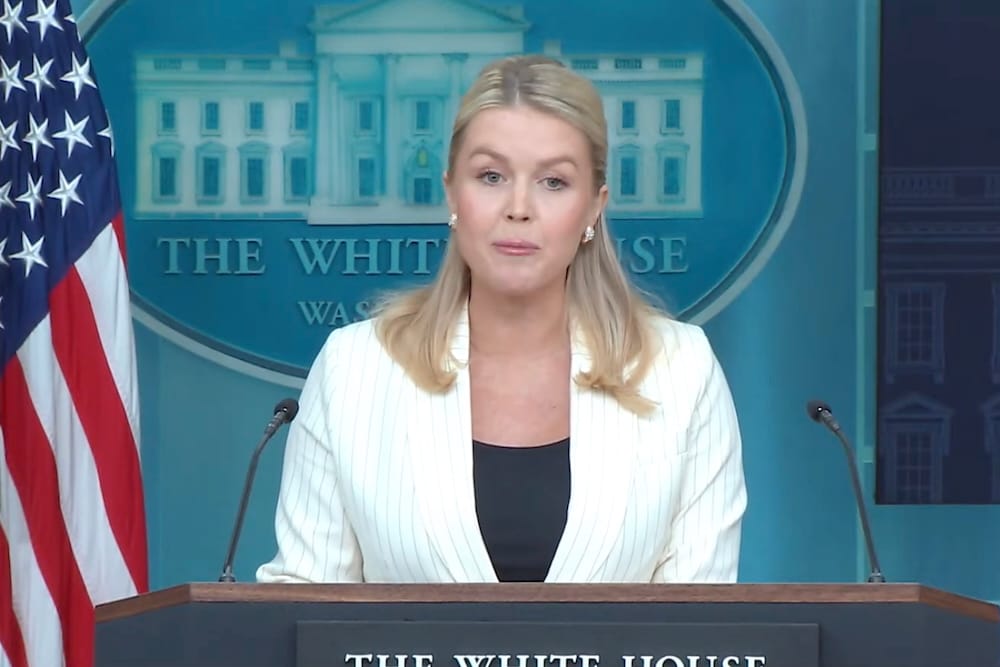
White House press secretary Karoline Leavitt highlighted the importance of this move during a briefing on Feb 10. She described it as 'the largest deregulatory action in American history' and emphasized that it will save the American people $1.3 trillion in regulations. Leavitt also noted that the Environmental Protection Agency projects average savings of $2,400 for popular light-duty cars, SUVs, and trucks.
EPA Administrator Lee Zeldin echoed these sentiments, calling the repeal 'the largest act of deregulation in the history of the United States.' In a post on X, Zeldin stated, 'This week, we make history.' The formal rescission is set to be announced at an event with President Trump and Zeldin on Thursday.
Origins and Impact of the 2009 Finding
The endangerment finding originated from a 2007 Supreme Court decision in Massachusetts v. EPA, which determined that certain gases qualify as pollutants under the Clean Air Act. In 2009, the EPA concluded that concentrations of these gases posed issues, providing the basis for regulating emissions from motor vehicles and later other sectors.
This policy became the legal prerequisite used by previous administrations to justify extensive regulations covering new vehicles and engines. The EPA has stated that without this finding, the agency would lack authority under Section 202(a) of the Clean Air Act to set certain vehicle emission standards. Energy analyst Alex Stevens commented on the interpretation, saying, 'The term ‘pollutant’ in the act should apply to substances causing direct toxic harm.'
The regulations stemming from this finding have imposed significant costs on American industries and consumers. The Trump administration's decision to repeal it aims to alleviate these burdens and promote economic growth by removing unnecessary restrictions.
Economic Benefits and Cost Reductions
One of the primary advantages of this repeal is the substantial cost savings for American families and businesses. By eliminating the requirement for federal standards on vehicle emissions related to these gases, the administration expects to lower the price of new cars.
Broader economic impacts include revitalizing the American auto industry and enhancing competitiveness. The repeal is part of a larger effort to unleash American energy dominance and drive down costs. Interior Secretary Doug Burgum addressed the risks of overregulation, stating, 'The existential threat is that we were going to regulate ourselves out of business.' He emphasized how restrictions on logging, mining, and oil and gas development limited the country's ability to utilize its resources effectively.
Energy Secretary Chris Wright reinforced this view in an interview, noting that President Trump 'wants to lower prices and raise wages.' Wright highlighted the importance of bringing down energy costs to grow the economy and improve global competitiveness.
Administration's Commitment to Deregulation
President Trump has consistently prioritized reducing regulatory overreach to support American workers and industries. This repeal fulfills a pledge made in the summer of 2025 to cancel policies that hindered economic progress. EPA Administrator Zeldin has been vocal about the need to address regulations that previous administrations used to impose heavy burdens.
In announcing the proposed rule last year, Zeldin criticized how the finding allowed regulations on vehicles, airplanes, and stationary sources that could 'regulate out of existence segments of our economy.' He added that it 'cost Americans a lot of money.' The EPA spokesperson Brigit Hirsch described the Obama-era rule as 'one of the most damaging decisions in modern history' and affirmed that the agency is working to deliver historic action for the American people.
The proposed rule was published in the Federal Register on Aug 1, 2025, and received over 500,000 public comments before closing on Sept 22, 2025. This extensive input reflects the widespread interest in reducing regulatory costs.
Industry Support and Future Implications
Various industry groups have expressed support for aspects of the repeal. The American Petroleum Institute, through President Mike Sommers, backed the proposal to repeal vehicle standards, calling it 'a critical step toward restoring consumer choice.' Sommers stated that the group supports repealing the finding as it applies to vehicles but not to stationary sources.
This targeted approach ensures that the deregulation focuses on areas with the most significant economic impact while maintaining necessary oversight in other sectors. The Texas Vegetable Association also supported the decision, noting it would lower prices benefiting growers and consumers by relieving burdensome expenses and ensuring reliable supply chains.
Looking ahead, this action positions the United States for stronger economic performance by prioritizing domestic energy production and reducing hidden taxes from regulations. The administration's efforts align with goals of expanding energy production and working with state partners to advance shared missions.
Path Forward
With the repeal set to be finalized this week, the Trump administration continues to advance its agenda of economic revitalization. This move not only addresses past regulatory excesses but also sets a precedent for future policies that prioritize American interests and prosperity.
The collaboration between President Trump, EPA Administrator Zeldin, and other key officials demonstrates a unified approach to deregulation. As the nation moves forward, these changes are expected to yield long-term benefits for American families, businesses, and the overall economy.
Join the American Association of Retired Republicans today!
Dues are $12 per year. Member benefits:
✅ Ad-Free Website Viewing
✅ Advocacy for Republican Seniors
✅ 120+ Senior Discounts
✅ Member Only Newsletters
Dues are $12 per year. Member benefits:
✅ Ad-Free Website Viewing
✅ Advocacy for Republican Seniors
✅ 120+ Senior Discounts
✅ Member Only Newsletters