News
Strengthening Security in the Caribbean
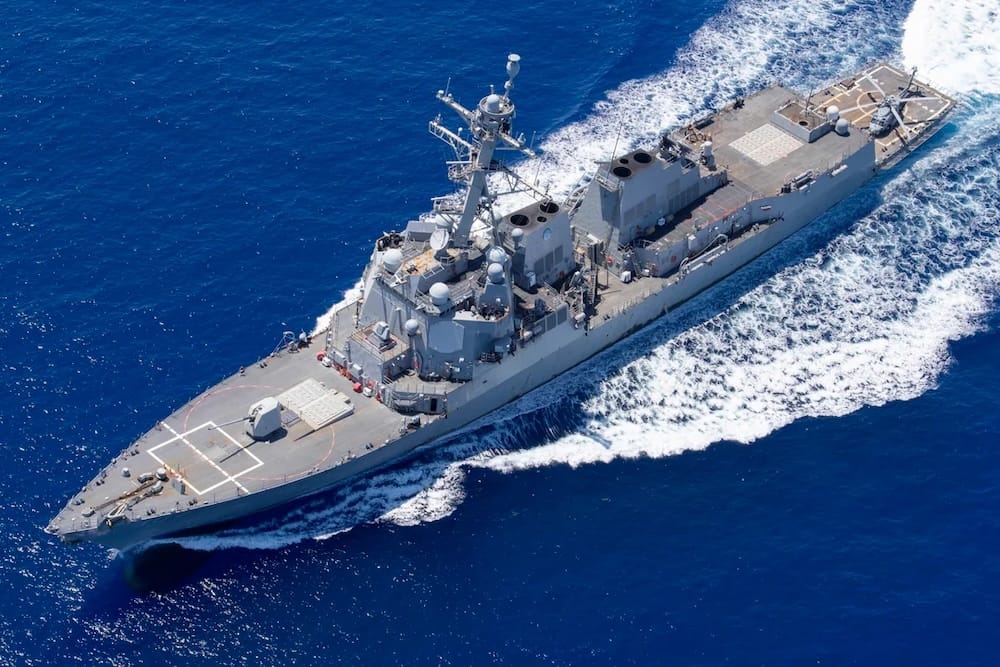
The Trump administration has taken decisive action by deploying three U.S. warships to the Bay of Port-au-Prince, marking a significant step in Operation Southern Spear. This operation focuses on countering narcotics trafficking and supporting stability in Haiti, where gang violence and political challenges have persisted. The move aligns with President Trump's commitment to protecting American interests by addressing threats close to home, ensuring that drug traffickers and criminal networks are confronted effectively. Officials emphasize that this deployment is a demonstration of resolve, aimed at assisting Haitian authorities in restoring order without overstepping into direct intervention.
Operation Southern Spear, initiated under the current administration, has already achieved notable successes in disrupting illicit activities across the Caribbean and Eastern Pacific. By targeting suspected drug traffickers through boat strikes, the campaign has eliminated over 100 threats, showcasing the effectiveness of a strong, proactive approach. This strategy reflects the administration's priority on law enforcement and security, prioritizing American safety by stemming the flow of drugs that fuel addiction and crime within the United States. The involvement of advanced naval assets underscores a no-nonsense policy that supports allies while safeguarding regional stability.
Details of the Naval Deployment
The vessels involved include the USS Stockdale, an Arleigh Burke-class guided-missile destroyer equipped with advanced weaponry such as 96 vertical missile silos, a 127mm cannon, and anti-missile systems. Accompanying it are the USCGC Stone, a National Security Cutter designed for long-range patrols and counter-narcotics missions, and the USCGC Diligence, which handles coastal law enforcement. These ships arrived on February 3, directed by Secretary of Defense Pete Hegseth, to bolster efforts against transnational criminal organizations. Their presence in Haitian waters is intended to deter illegal activities and provide a visible symbol of U.S. support for Haiti's security forces.
Haiti's challenges include widespread gang control, with groups like 400 Mawozo and the Viv Ansanm coalition dominating areas around Port-au-Prince. Recent incidents, such as the killing of at least seven people in Kenscoff on January 30 and the vandalism of the national soccer training center in Croix-des-Bouquets, highlight the urgency. The administration's response addresses these issues head-on, supporting Haitian police operations that have resulted in the deaths of several gang members and seizures of high-caliber weapons since early 2026. This assistance is crucial as Haiti approaches the February 7 expiration of the Transitional Presidential Council's mandate, a period that could exacerbate instability if not managed firmly.
The deployment also coincides with broader regional security initiatives, including visa restrictions on Haitian officials accused of supporting gangs. Such measures ensure accountability and align with the administration's goal of promoting good governance. By backing Prime Minister Alix Didier Fils-Aimé and warning against disruptive actions by council members, the U.S. is helping to prevent a power vacuum that criminals could exploit. This approach emphasizes partnership and strength, avoiding past mistakes of inaction that allowed problems to fester.
Official Statements and Strategic Importance
Secretary of State Marco Rubio has described Haitian gangs as 'transnational criminal terrorist organizations' equipped with sophisticated weapons, posing a serious threat to regional stability. In a January 28 Senate hearing, Rubio stated, 'They represent a serious threat to the stability of the region. We must be prepared to confront them in coordination with partners.' This perspective underscores the administration's view that firm action is necessary to protect U.S. national security, particularly from migration pressures and drug trafficking that affect American communities.
The U.S. Embassy in Haiti affirmed, 'At the direction of the Secretary of Defense, the USS Stockdale, USCGC Stone and USCGC Diligence have arrived in the Bay of Port-au-Prince. Their presence reflects the United States' unwavering commitment to Haiti's security, stability and brighter future.' This statement highlights the supportive nature of the mission, focused on deterrence and collaboration rather than occupation. U.S. Southern Command echoed this sentiment, noting the operation's role in disrupting illicit maritime networks.
Impact on Haiti's Future
As Haiti grapples with over 1.4 million internally displaced people and severe food insecurity affecting two million, the administration's involvement offers a path toward recovery. The push for elections, now tentatively set for summer 2026, requires a secure environment, which this deployment helps to foster. By addressing root causes like gang violence and drug smuggling, the U.S. is aiding Haiti in building a stable government capable of serving its people.
Critics within Haiti have mixed reactions, but the administration's track record in similar operations suggests positive outcomes. For instance, the recent apprehension of Venezuelan President Nicolás Maduro demonstrates the effectiveness of targeted actions against corrupt regimes facilitating crime. In Haiti, this could translate to reduced gang influence and improved conditions for ordinary citizens. The Trump team's strategy prioritizes results, ensuring that American resources are used wisely to promote lasting peace and prosperity in the region.
The deployment represents a key element of President Trump's foreign policy, emphasizing strength and partnership in the Western Hemisphere. With Haiti as the poorest country in the hemisphere and no elections since 2016, following the 2021 assassination of President Jovenel Moïse and the 2024 resignation of Prime Minister Ariel Henry due to gang pressure, the need for decisive support is clear. This initiative not only combats immediate threats but also lays the groundwork for long-term stability, benefiting both Haiti and the United States.
Join the American Association of Retired Republicans today!
Dues are $12 per year. Member benefits:
✅ Ad-Free Website Viewing
✅ Advocacy for Republican Seniors
✅ 120+ Senior Discounts
✅ Member Only Newsletters
Dues are $12 per year. Member benefits:
✅ Ad-Free Website Viewing
✅ Advocacy for Republican Seniors
✅ 120+ Senior Discounts
✅ Member Only Newsletters