
News
A Simple Act of Kindness That Gives Back
Across the country, animal shelters are overflowing, and the need for helping hands has never been greater. Fostering a dog or cat, or simply volunteering to walk a shelter dog, has emerged as one of the most rewarding ways to make a difference in a community. What many people do not realize is that the person doing the good deed often benefits just as much as the animal.
According to the American Society for the Prevention of Cruelty to Animals, approximately 6.3 million companion animals enter U.S. animal shelters nationwide every year. Roughly 3.1 million are dogs and 3.2 million are cats. With shelters stretched thin, foster families and volunteer dog walkers have become a lifeline for these animals waiting for permanent homes.
Fostering Saves Lives and Opens Space
Fostering means temporarily opening your home to a shelter pet until a permanent adopter is found. The ASPCA notes that fostering is 'one of the most rewarding experiences' a person can have, and it directly saves lives by freeing up kennel space for another animal in need. Puppies too young for adoption, cats recovering from surgery, senior pets who struggle in a kennel environment, and animals needing socialization all benefit tremendously from time in a real home.
Best Friends Animal Society, a national no-kill organization, reports that foster homes give shelter staff critical information about how an animal behaves outside a stressful shelter environment. This information helps match pets with the right adoptive families. 'Fostering saves lives,' the organization states plainly on its website, noting that each foster home effectively doubles a shelter's capacity to help animals.
Health Benefits Backed by Research
The Centers for Disease Control and Prevention has acknowledged that pets can decrease blood pressure, cholesterol levels, and feelings of loneliness. For older adults especially, spending time with a dog or cat provides measurable physical and emotional benefits.
A study published by the National Institutes of Health found that interacting with animals has been shown to decrease levels of cortisol, a stress-related hormone, and lower blood pressure. Other studies have found that animals can reduce loneliness, increase feelings of social support, and boost mood. The Mayo Clinic has similarly reported that walking a dog regularly can help lower blood pressure, improve heart health, and support healthy weight management.
For adults over 50, the daily routine that comes with caring for a pet, even temporarily, provides structure and purpose. Getting outside for a walk, keeping to a feeding schedule, and receiving unconditional affection can be powerful antidotes to the isolation many seniors experience, particularly those who live alone or have recently lost a spouse.
The Power of Walking a Shelter Dog
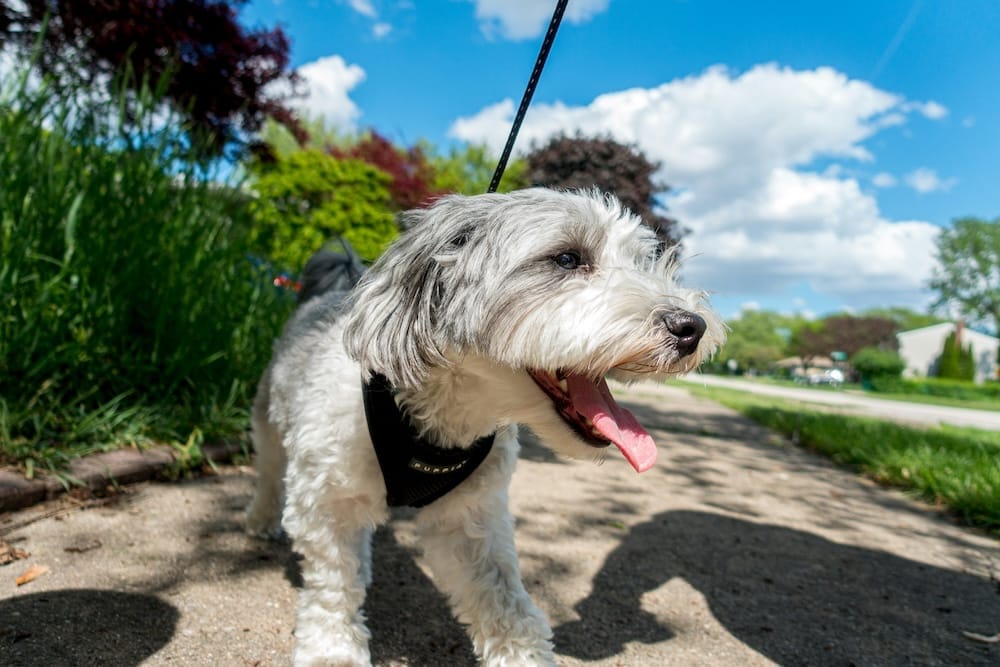
For those not ready to bring an animal home, volunteering to walk shelter dogs offers many of the same rewards. Shelter dogs desperately need exercise, socialization, and time away from the noise and stress of the kennel. Volunteers who commit even an hour a week can dramatically improve a dog's chances of adoption by helping it stay calm, well-mannered, and sociable.
The Humane Society of the United States encourages community members to volunteer at local shelters, noting that dog walkers provide essential enrichment. Regular walks reduce anxiety-related behaviors in kenneled dogs, making them more appealing to potential adopters. For the walker, the activity delivers gentle cardiovascular exercise, fresh air, and the emotional lift that comes from bonding with a grateful animal.
A Growing Need in American Shelters
Shelter Animals Count, a national database tracking shelter statistics, has reported that intake numbers have climbed in recent years while adoptions have not kept pace. The result is overcrowded facilities and longer stays for individual animals. Foster families and volunteers have become essential to keeping shelters functioning and giving animals the best possible chance at a happy ending.
Best Friends Animal Society has stated that the goal of making the country no-kill depends on community involvement. 'We can't do it without fosters,' the group has emphasized in outreach campaigns, urging Americans to consider even short-term fostering commitments of just a week or two.
Easier Than Most People Think
One common misconception is that fostering requires special training or a large home. In reality, most shelters and rescue groups provide food, supplies, and veterinary care for foster animals. The foster family simply provides love, a safe space, and daily care. Commitments can be as short as a weekend or as long as several months, depending on the animal's needs and the volunteer's availability.
Walking programs are typically even simpler to join. Most shelters offer a brief orientation and then match volunteers with dogs appropriate to their comfort level and physical ability. Retirees who want to give back to their communities without a long-term commitment often find shelter volunteering to be an ideal fit.
A Meaningful Way to Give Back
For those approaching or enjoying retirement, fostering or walking a shelter animal offers a chance to combine service, exercise, and companionship in one meaningful activity. It strengthens communities, saves animal lives, and provides genuine health benefits for the volunteer. Local shelters, humane societies, and rescue groups across the nation are ready to welcome new fosters and walkers. A phone call or a visit to a nearby shelter is often all it takes to begin.
Whether it is welcoming a shy kitten into a quiet spare bedroom or taking a wagging tail for a stroll around the block, these small acts of kindness ripple outward. The animals gain a second chance, and the humans who help them gain something priceless in return.
Join the American Association of Retired Republicans today!
Dues are $12 per year. Member benefits:
✅ Ad-Free Website Viewing
✅ Advocacy for Republican Seniors
✅ Member Only Newsletters
Dues are $12 per year. Member benefits:
✅ Ad-Free Website Viewing
✅ Advocacy for Republican Seniors
✅ Member Only Newsletters