
News
Discovering the Crown of the Continent
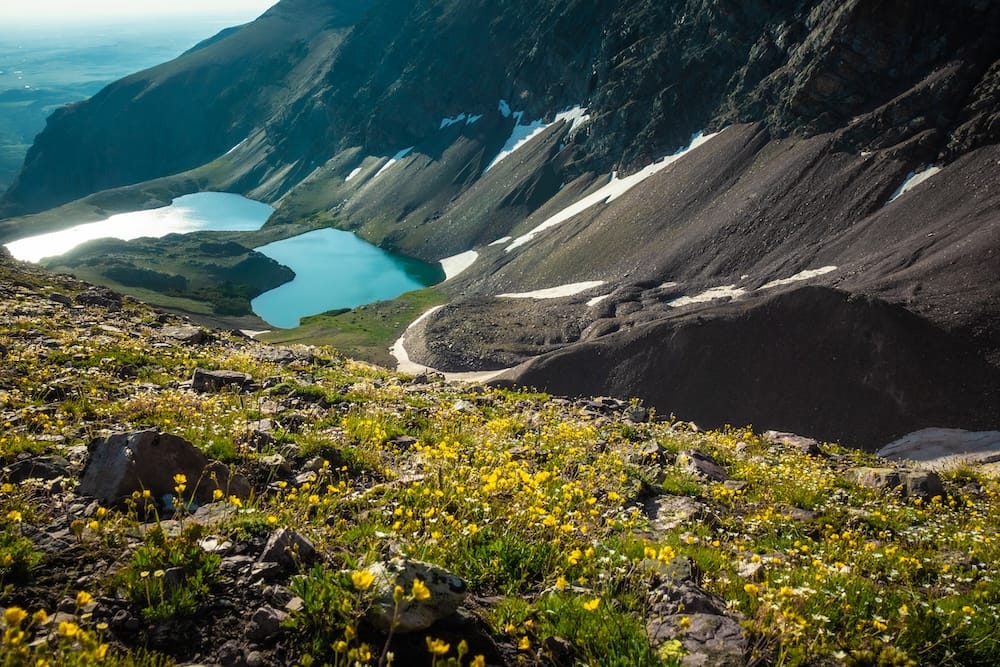
Glacier National Park, often called the 'Crown of the Continent,' remains one of the most breathtaking destinations in the United States. Located in northwestern Montana along the Canadian border, this magnificent park spans over 1 million acres of pristine wilderness, featuring rugged mountain peaks, crystal-clear alpine lakes, dense forests, and meadows filled with wildflowers. For travelers seeking an authentic American adventure, Glacier offers a window into the natural beauty that has captivated visitors for more than a century.
The park welcomes nearly 3 million visitors each year, drawn by its iconic landscapes and rich heritage. Whether you are an experienced hiker or someone who prefers scenic drives, Glacier National Park provides experiences suited for every type of traveler.
A Storied History Worth Remembering
Glacier National Park was officially established on May 11, 1910, when President William Howard Taft signed the legislation creating it as the nation's tenth national park. The push to protect this remarkable region was led in large part by conservationist George Bird Grinnell, who tirelessly advocated for its preservation after visiting the area in the 1880s. Grinnell referred to the region as the 'Crown of the Continent,' a name that has endured ever since.
Long before it became a national park, the lands were home to Native American tribes, including the Blackfeet, Salish, Kootenai, and Pend d'Oreille peoples, who hunted, fished, and held sacred ceremonies among the mountains. The Blackfeet Reservation still borders the park to the east, and the region's indigenous heritage remains an essential part of its identity.
The Great Northern Railway played a pivotal role in developing the park's early tourism infrastructure. In the 1910s, the railway constructed a series of grand hotels and backcountry chalets to attract visitors from across the country. Many of these historic structures, including the Many Glacier Hotel, Lake McDonald Lodge, and Glacier Park Lodge, still welcome guests today and have been designated as National Historic Landmarks.
Interesting Facts That Make Glacier Unique
Glacier National Park is filled with fascinating features that set it apart from other parks. Here are some highlights worth knowing:
- The park contains more than 700 lakes, though only 131 are officially named. Lake McDonald, the largest, stretches about 10 miles long and reaches depths of 472 feet.
- Going-to-the-Sun Road, completed in 1933, is a 50-mile engineering marvel that crosses the Continental Divide at Logan Pass, sitting 6,646 feet above sea level. It is recognized as a National Historic Landmark and a National Civil Engineering Landmark.
- The park is home to roughly 71 species of mammals, including grizzly bears, black bears, mountain goats, bighorn sheep, moose, elk, and gray wolves. The mountain goat serves as the park's official symbol.
- More than 1,000 species of plants thrive within the park's boundaries, along with 276 species of birds.
- Glacier shares a border with Canada's Waterton Lakes National Park, and together they form the Waterton-Glacier International Peace Park, established in 1932 as the world's first international peace park.
- The park contains over 700 miles of maintained hiking trails, offering everything from gentle nature walks to challenging backcountry expeditions.
Planning Your Trip to Glacier
A successful visit to Glacier National Park requires some advance planning, particularly during the busy summer months. The park's peak season runs from late June through early September, when Going-to-the-Sun Road is fully open and most facilities are operating. July and August offer the warmest weather and the best access to high-elevation trails, though they also bring the largest crowds.
For 2026, visitors should be aware that the National Park Service has continued its vehicle reservation system for certain entry points during peak periods. Reservations are typically required for the West Entrance and the North Fork area during summer. Travelers are encouraged to check the official National Park Service website at nps.gov/glac for current entry requirements before their visit.
The standard entrance fee is $35 per vehicle for a seven-day pass during summer, with reduced rates in the off-season. Those age 62 and older can purchase a Lifetime Senior Pass for $80, which provides access to all national parks and federal recreational lands. This pass remains one of the best values available for older Americans who enjoy outdoor travel.
Where to Stay and What to See
Lodging options inside the park include the historic Many Glacier Hotel, Lake McDonald Lodge, Glacier Park Lodge, Rising Sun Motor Inn, and Swiftcurrent Motor Inn. Reservations for these accommodations often fill up 12 to 13 months in advance, so early booking is essential. The park also offers 13 campgrounds with more than 1,000 sites. Outside the park, the gateway towns of West Glacier, East Glacier, St. Mary, and Whitefish provide additional hotels, restaurants, and services.
Must-see destinations within the park include Logan Pass, where visitors can walk the popular Hidden Lake Overlook Trail and often spot mountain goats and bighorn sheep. The Many Glacier area offers stunning views of Grinnell Glacier and access to some of the park's most beloved hiking trails. Two Medicine, on the park's east side, provides a quieter experience with beautiful lake views. A boat tour on Lake McDonald or St. Mary Lake is another wonderful way to take in the scenery.
Tips for an Enjoyable Visit
Weather in Glacier can change quickly, even in summer, so layered clothing is recommended. Visitors should always carry bear spray when hiking and make noise on the trails to avoid surprising wildlife. The park's higher elevations may still have snow into July, and some trails may not be fully accessible until mid-summer.
For those who prefer a less strenuous experience, the Red Bus Tours offer a classic way to see the park. These vintage 1930s touring vehicles, restored and operated by Glacier National Park Lodges, provide guided excursions along Going-to-the-Sun Road and other scenic routes. Boat tours operated by the Glacier Park Boat Company have been a tradition since 1938 and remain a favorite activity.
Glacier National Park represents the very best of America's natural heritage. Its towering peaks, ancient glaciers, and abundant wildlife continue to inspire all who visit. With thoughtful planning, a trip to this remarkable corner of Montana can become a cherished memory for years to come.
Visit nps.gov/glac for more information.
Join the American Association of Retired Republicans today!
Dues are $12 per year. Member benefits:
✅ Ad-Free Website Viewing
✅ Advocacy for Republican Seniors
✅ Member Only Newsletters
Dues are $12 per year. Member benefits:
✅ Ad-Free Website Viewing
✅ Advocacy for Republican Seniors
✅ Member Only Newsletters