
News
The Sneaky Price Hike Hiding in Your Grocery Cart
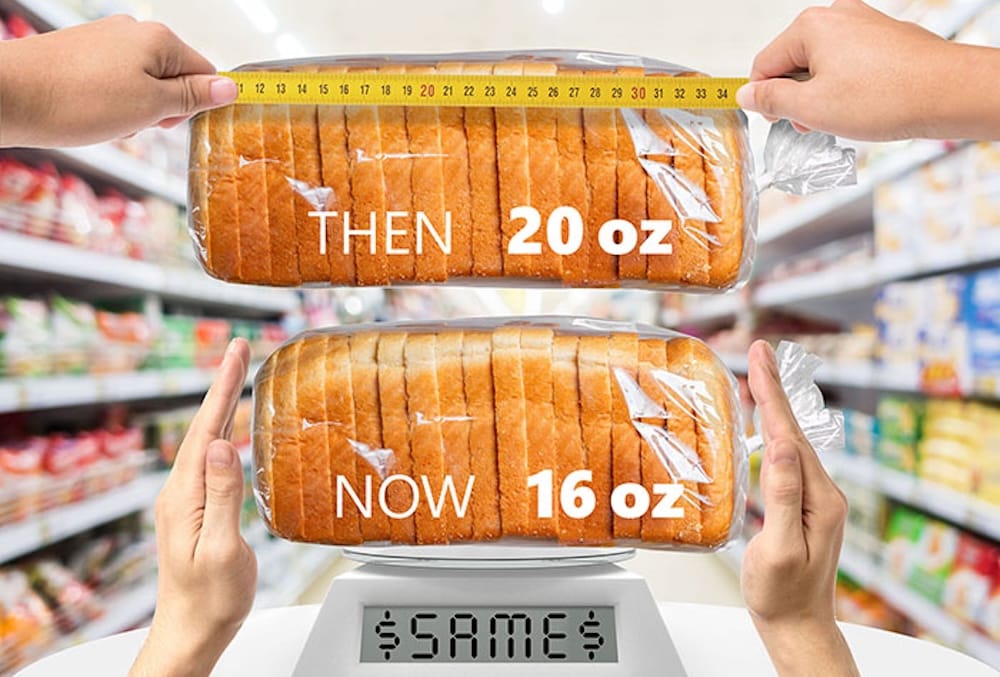
If your bag of chips feels lighter, your roll of paper towels seems thinner, or your favorite ice cream container looks suspiciously smaller than you remember, you are not imagining things. You are experiencing what economists call shrinkflation, a tactic where manufacturers reduce the size or quantity of a product while keeping the price the same or even raising it. The term blends the words shrink and inflation, and it has become one of the most talked-about consumer frustrations in recent years.
Unlike a straightforward price increase, shrinkflation is harder for shoppers to spot. The packaging often looks nearly identical, the price tag stays familiar, but the contents inside have quietly been reduced. The result is that families end up paying more per ounce, per sheet, or per serving without realizing it.
How Shrinkflation Works in Practice
Consumer advocate Edgar Dworsky, founder of Consumer World and a former assistant attorney general in Massachusetts, has spent years documenting examples of shrinkflation across American supermarket shelves. Dworsky has explained that companies prefer reducing package size over raising sticker prices because shoppers are far more sensitive to price changes than to subtle weight changes.
'Shoppers are very price-conscious, so manufacturers are very reluctant to raise the price,' Dworsky has said in widely cited interviews. 'Manufacturers know that consumers will see a larger price and not put it in their cart, so they give you a little less and hope you don't notice.'
Examples have been numerous. Family-size boxes of cereal that once held 19.5 ounces have shrunk to 18.1 ounces. Rolls of toilet paper that contained hundreds of sheets now contain noticeably fewer. Bags of chips have lost ounces. Containers of coffee, yogurt, laundry detergent, and even pet food have all been documented shrinking while prices held steady or climbed.
Why Companies Do It
Manufacturers often defend the practice by pointing to rising costs for ingredients, packaging, transportation, and labor. Rather than passing the entire increase on through a higher sticker price, which could drive customers to competitors or store brands, they trim the product itself. From a corporate standpoint, it is a way to protect profit margins without scaring off loyal buyers.
Industry analysts point out that shrinkflation tends to accelerate during periods of high inflation. When the cost of wheat, cocoa, beef, or aluminum jumps, food and household goods companies face a choice: absorb the cost, raise the price, or shrink the package. More often than not, especially in recent years, they have chosen the third option.
The Real Cost to American Households
For older Americans living on fixed incomes, including retirees relying on Social Security, shrinkflation hits especially hard. Even when the Social Security cost-of-living adjustment rises each year, those increases are calculated based on official inflation measures that may not fully capture the hidden squeeze of smaller packages. A senior who budgets carefully for groceries each month may find that the same shopping list now feeds them for fewer days than it did a year or two earlier.
The U.S. Bureau of Labor Statistics has acknowledged that its inflation calculations do attempt to account for changes in package size by measuring price per unit, but most shoppers do not have the time or magnifying glass needed to compare unit prices on every item they put in their cart.
Government and Public Pushback
Shrinkflation has drawn attention from lawmakers and consumer protection groups. Some have called for clearer labeling rules that would require companies to alert shoppers when a product's size has been reduced. Others argue that competition and consumer awareness, rather than new regulations, are the best remedy.
Retail chains have responded in their own way. Some major grocers have expanded private-label and store-brand offerings, which often provide larger sizes at lower prices than name brands. Warehouse clubs and discount grocers have also benefited as shoppers hunt for better value.
How to Spot Shrinkflation at the Store
Consumer experts recommend several practical steps for shoppers who want to fight back against shrinkflation:
- Check the unit price, usually printed in small type on the shelf tag, which shows cost per ounce, per sheet, or per item.
- Compare name-brand products with store brands, which frequently offer better value.
- Watch for changes in familiar packaging, such as a deeper indentation in the bottom of a jar or a thinner roll of paper goods.
- Buy in bulk when it makes sense and storage allows, since larger sizes often have a lower unit cost.
- Keep a mental or written note of how long staple items typically last, and notice when they start running out faster than before.
A Quiet Trend With Loud Consequences
Shrinkflation is not new. Researchers have traced examples back decades, with notable waves during the 1970s oil shocks and again during the 2008 financial crisis. What makes the current era different is the speed and breadth of the practice, touching nearly every aisle of the grocery store and many household staples beyond food.
For American families trying to stretch a paycheck or a retirement check, the message from consumer advocates is consistent: read the label, check the weight, and compare the unit price. The companies are counting on shoppers being too busy or too trusting to notice. Awareness, more than anything, is the strongest defense against paying more for less.
Join the American Association of Retired Republicans today!
Dues are $12 per year. Member benefits:
✅ Ad-Free Website Viewing
✅ Advocacy for Republican Seniors
✅ Member Only Newsletters
Dues are $12 per year. Member benefits:
✅ Ad-Free Website Viewing
✅ Advocacy for Republican Seniors
✅ Member Only Newsletters