
News
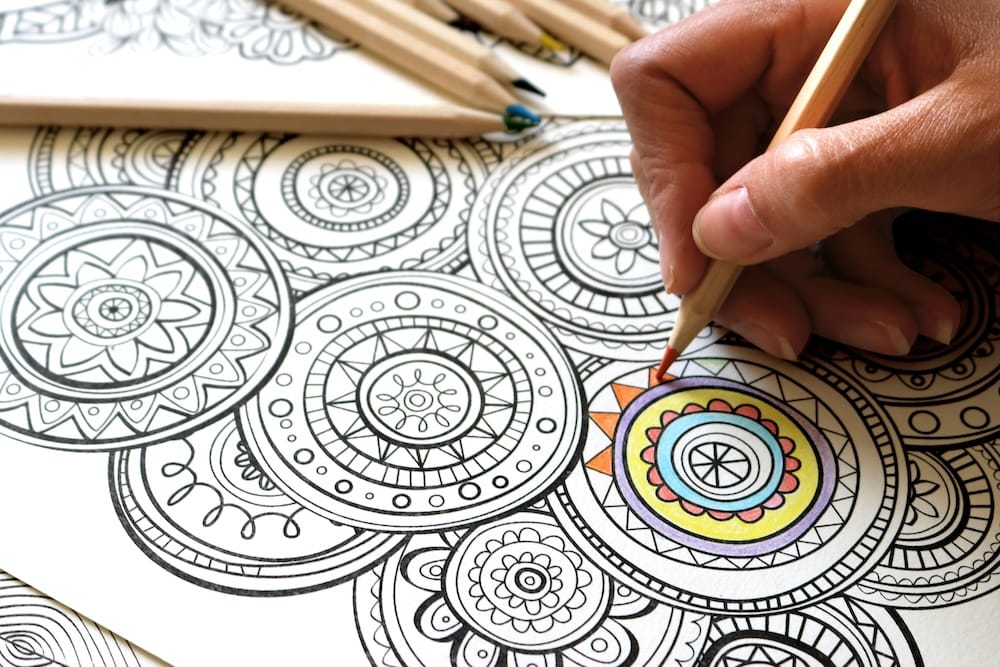
Rediscovering a Childhood Pastime in the Golden Years
Coloring books, once thought of as strictly a children's activity, have become one of the fastest-growing hobbies among older Americans. What started as a quiet trend a decade ago has grown into a full-fledged wellness practice, with adult coloring books now sold everywhere from bookstores to pharmacies. For seniors looking for an affordable, screen-free way to relax and stay mentally sharp, the humble box of colored pencils is proving to be a powerful tool.
Researchers, therapists, and doctors have taken notice. Studies published in peer-reviewed journals have examined how coloring intricate patterns like mandalas can reduce anxiety, improve focus, and even help stave off cognitive decline. The activity is inexpensive, requires no special training, and can be done alone at the kitchen table or shared with grandchildren on a rainy afternoon.
Lowering Stress and Anxiety
One of the most consistently reported benefits of coloring is stress relief. A frequently cited study by researchers Nancy A. Curry and Tim Kasser, published in the journal Art Therapy: Journal of the American Art Therapy Association, found that participants who colored complex geometric patterns such as mandalas and plaid designs experienced a significant reduction in anxiety levels compared to those who simply doodled on a blank page. The researchers concluded that the structured, repetitive nature of coloring within defined lines helps quiet the mind in a way similar to meditation.
Psychologists have compared the effect to mindfulness practice. When a person focuses on choosing colors and staying within the lines, the brain shifts away from worries about bills, health concerns, or family stresses. The amygdala, the part of the brain that processes fear and stress, gets a much-needed rest. For older adults who may be coping with the loss of a spouse, retirement adjustments, or health challenges, this simple activity offers a low-cost form of emotional relief.
Keeping the Mind Sharp
Beyond relaxation, coloring engages multiple areas of the brain at once. It requires the eyes and hands to work together, activates the parts of the brain responsible for vision and fine motor skills, and calls on logic to plan color choices. Occupational therapists have long recommended coloring as a way to help older adults maintain hand-eye coordination and dexterity, which can be especially valuable for those living with arthritis or the early effects of Parkinson's disease.
The Cleveland Clinic has noted that creative activities like coloring can help build cognitive reserve, the brain's ability to improvise and find alternate ways of getting a job done. Building this reserve is considered one of the best defenses against age-related memory loss. While coloring alone will not prevent dementia, medical experts point to it as one of many enjoyable activities that keep the brain flexible and engaged.
A Boost for Fine Motor Skills
Gripping a colored pencil, applying just the right amount of pressure, and making small precise movements all help maintain hand strength. For seniors recovering from a stroke or dealing with conditions that weaken the hands, therapists often incorporate coloring into rehabilitation programs. The activity provides gentle, repetitive exercise without the strain of heavier tasks.
Eye doctors also point out that coloring encourages the eyes to focus on close-up detail, which can help maintain visual sharpness. Using good lighting and reading glasses when needed makes the activity comfortable and safe for extended periods.
Better Sleep Without a Screen
Sleep specialists have repeatedly warned about the dangers of staring at phones, tablets, and televisions before bed. The blue light emitted by screens interferes with the body's production of melatonin, the hormone that signals it is time to sleep. Coloring offers a screen-free alternative for the evening hours.
Many seniors report that spending twenty to thirty minutes coloring before bed helps them fall asleep faster and sleep more soundly. The calming, repetitive motion signals the body to wind down, much like reading a book or listening to soft music. Unlike watching television, coloring does not fill the mind with news, advertisements, or dramatic storylines that can keep thoughts racing long after the lights go out.
Social Connection and Community
Coloring does not have to be a solitary activity. Senior centers, churches, and community groups across the country have organized coloring clubs where members gather weekly to share pencils, swap tips, and enjoy conversation. Libraries in many towns now host adult coloring nights, often providing free supplies.
These gatherings combat one of the most serious health threats facing older Americans: loneliness. The U.S. Surgeon General has previously warned that social isolation carries health risks comparable to smoking fifteen cigarettes a day. A weekly coloring circle offers gentle, low-pressure social interaction that can lift spirits and build friendships. Grandparents also find that coloring alongside grandchildren creates a shared activity that bridges generations without competing with electronic devices.
Choosing the Right Book
The variety of adult coloring books available today is remarkable. Popular themes include American landscapes, patriotic designs, Bible verses and inspirational scripture, floral patterns, vintage Americana, wildlife, and classic architecture. Bookstores and online retailers offer options ranging from simple large-print designs, which are easier on the eyes and hands, to highly detailed patterns for those who enjoy a challenge.
Experts suggest starting with books that have thicker paper to prevent bleed-through and choosing designs that match personal interests. Quality colored pencils are generally recommended over markers for seniors, as they are easier to control and do not require as much hand pressure. Gel pens are another popular choice for those who enjoy vibrant colors.
An Affordable Path to Wellness
Perhaps the greatest appeal of coloring is its simplicity. A book and a set of pencils can be purchased for under twenty dollars and provide hours of enjoyment. There are no monthly fees, no subscriptions, and no complicated instructions. In a time when so many wellness products come with steep price tags, coloring remains refreshingly accessible.
For older Americans seeking a peaceful, productive, and healthy way to spend an afternoon, the answer may be as close as the nearest craft aisle. What once seemed like a child's pastime has quietly become one of the most rewarding hobbies of later life.
Join the American Association of Retired Republicans today!
Dues are $12 per year. Member benefits:
✅ Ad-Free Website Viewing
✅ Advocacy for Republican Seniors
✅ Member Only Newsletters
Dues are $12 per year. Member benefits:
✅ Ad-Free Website Viewing
✅ Advocacy for Republican Seniors
✅ Member Only Newsletters