News
A Second Chance at Learning for Older Americans
Across the United States, dozens of colleges and universities are opening their classroom doors to older adults at little or no cost. For citizens who have spent decades working, raising families, and serving their communities, these tuition waiver programs offer a meaningful opportunity to study new subjects, finish a degree that was set aside long ago, or simply enjoy the intellectual challenge of higher education. Most programs are tied to state law, and eligibility usually begins somewhere between age 60 and 65.
The programs vary widely from state to state, but the common thread is that public universities, community colleges, and some private institutions are waiving tuition for residents who meet age and residency requirements. In most cases, seniors can audit classes for personal enrichment or enroll for credit toward a degree, depending on space availability and the policies of the individual school.
How State Tuition Waiver Programs Work
Texas offers one of the most generous arrangements. Under state law, residents 65 and older may take up to six credit hours per semester tuition-free at public colleges and universities, provided space is available after regular registration closes. The University of Texas system and Texas A&M both participate, although individual campuses set their own administrative procedures.
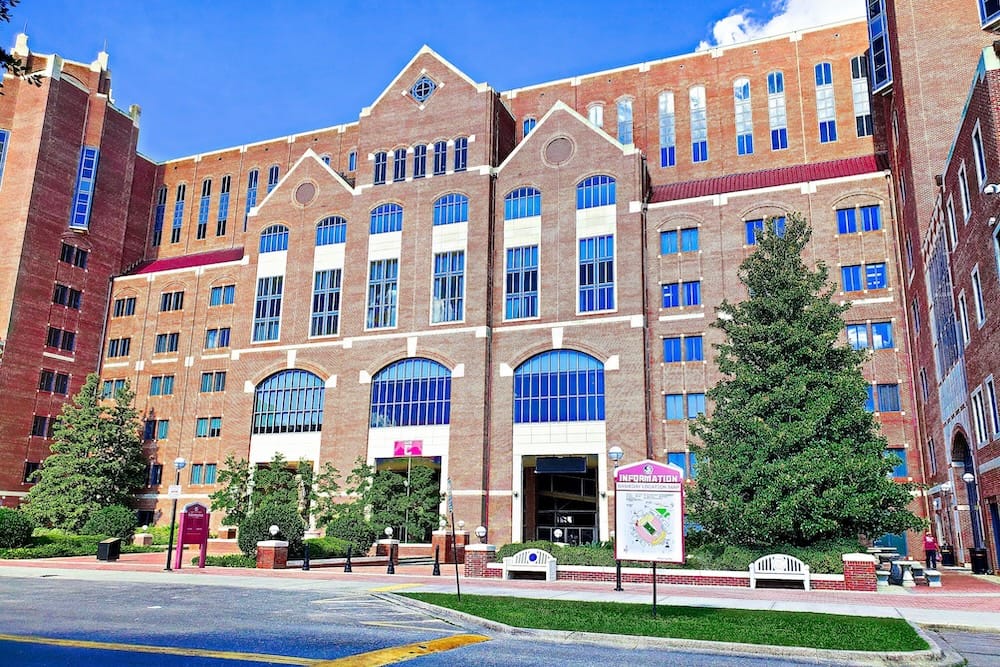
In Florida, state law allows public universities and community colleges to waive application fees and tuition for residents 60 and older who audit classes. The University of Florida, Florida State University, and the state college system all participate. Students do not earn credit when they audit, but they sit in the same classrooms as traditional students and complete the same readings if they choose.
New York's Senior Citizen Auditor Program at the City University of New York allows residents 60 and older to audit undergraduate courses for a nominal registration fee, typically around 80 dollars per semester. The State University of New York system offers similar arrangements through its 64 campuses, with individual schools setting specific rules.
Southern and Midwestern Programs
Georgia has one of the most well-known programs. Under a provision in the state constitution, residents 62 and older may attend any unit of the University System of Georgia tuition-free, including the University of Georgia and Georgia Tech. Seniors may enroll for credit, not just audit, which sets Georgia apart from many other states. Students still pay for books, supplies, and certain mandatory fees.
Kentucky's Senior Citizen Scholarship Program waives tuition at all public colleges and universities for residents 65 and older. The program covers both credit and audit enrollment. North Carolina permits residents 65 and older to enroll tuition-free in up to six credit hours per semester at community colleges, and the state's public universities offer similar courtesies on a space-available basis.
Ohio law requires state-assisted colleges and universities to permit residents 60 and older to attend classes without paying tuition, provided they are not enrolled for credit and space is available. Cleveland State University, Ohio State, and the University of Cincinnati all participate. Illinois offers the Senior Citizen Courses Act, which waives tuition for residents 65 and older whose household income falls below a state-set threshold.
Western States and Notable Private Programs
California permits its community college system to waive certain fees for older residents, although tuition at community colleges is already low. The California State University system allows residents 60 and older to enroll through Over 60 programs at participating campuses, paying reduced fees.
Colorado does not have a statewide mandate, but several institutions, including the University of Colorado Denver, offer senior auditor programs. The University of Utah waives tuition for residents 62 and older through its Go Learn program, with seniors paying a small administrative fee.
A handful of private colleges also extend tuition benefits to older learners. The Bernard Osher Lifelong Learning Institutes, funded by the Bernard Osher Foundation, operate on more than 120 university and college campuses across the country. These programs are not free, but they offer affordable membership-based courses designed specifically for adults 50 and older, often taught by retired faculty and community experts.
What Seniors Should Know Before Enrolling
Anyone considering a tuition waiver program should contact the admissions or registrar's office at the school they wish to attend. Most programs require proof of age and state residency, such as a driver's license. Many require seniors to wait until regular registration has closed before signing up, since waiver students typically take seats only if space remains.
Some additional points worth keeping in mind include the following:
- Tuition waivers usually do not cover lab fees, parking, books, or technology charges
- Auditing a class generally means no grade, no credit, and limited participation in graded assignments
- Degree-seeking seniors may need to meet the same admission standards as traditional students
- Online courses are sometimes excluded from waiver programs
- Financial aid is typically not available for audited courses
Why Older Adults Are Going Back to School
Research from the National Center for Education Statistics has shown that adult learners 50 and older make up a small but growing portion of college enrollment. Many return to study subjects they never had time to explore during their working years, including history, literature, theology, art, and foreign languages. Others pursue practical skills such as computer technology, accounting, or healthcare-related coursework that can support second careers or volunteer work.
Beyond the academic benefits, classroom learning offers social connection and mental engagement, which physicians and researchers have consistently linked to healthier aging. For grandparents, taking a class can also create common ground with grandchildren who are themselves navigating college life.
Getting Started
The best first step is a phone call or visit to the local public university or community college. State higher education agencies typically maintain lists of participating institutions and current rules, since waiver programs can be updated by state legislatures. Seniors who served in the military should also ask about veterans' education benefits, which may stack with senior waivers in some states.
For older Americans who once dreamed of returning to the classroom but assumed the cost would be prohibitive, these programs prove that the door to higher learning remains open, often at no charge at all.
Join the American Association of Retired Republicans today!
Dues are $12 per year. Member benefits:
✅ Ad-Free Website Viewing
✅ Advocacy for Republican Seniors
✅ Member Only Newsletters
Dues are $12 per year. Member benefits:
✅ Ad-Free Website Viewing
✅ Advocacy for Republican Seniors
✅ Member Only Newsletters