
News
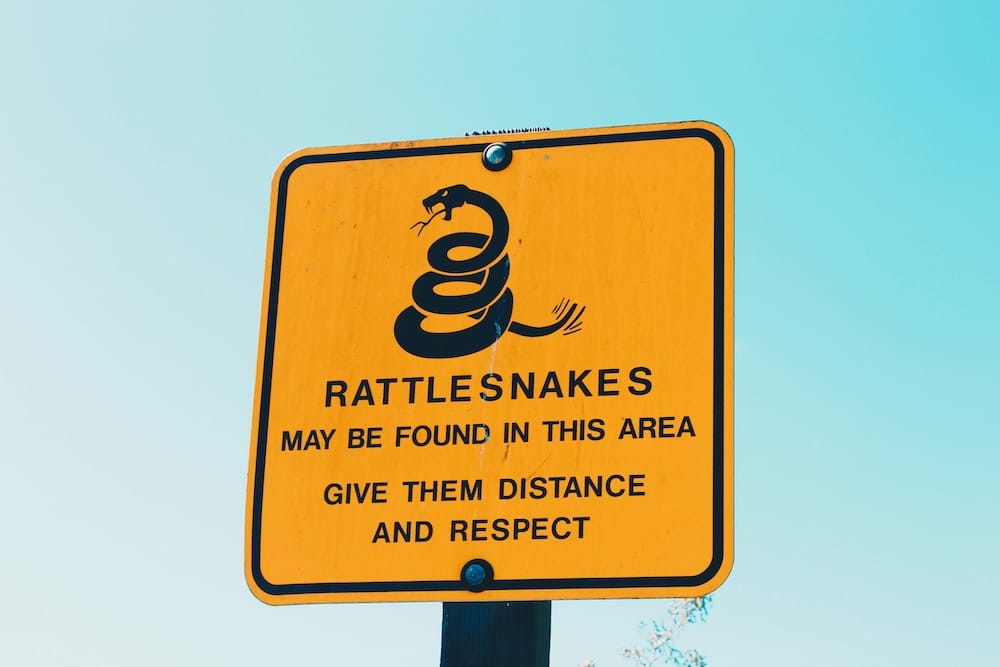
Getting to Know America's Most Famous Venomous Snake
Rattlesnakes have long held a special place in American history and folklore, from the coiled serpent on the Gadsden flag bearing the motto 'Don't Tread on Me' to the wide-open spaces of the American West where these reptiles still roam today. For those curious about these creatures without venturing into their habitat, technology now offers a remarkable way to observe them safely from the comfort of home through live streaming cameras.
Rattlesnakes are pit vipers, a group that also includes copperheads and cottonmouths. According to the National Wildlife Federation, there are roughly 36 known species of rattlesnakes, with numerous subspecies, and they are native exclusively to the Americas. The greatest diversity is found in the southwestern United States and northern Mexico, with Arizona alone home to 13 species, more than any other state.
How Rattlesnakes Got Their Famous Rattle
The most distinctive feature of these snakes is, of course, the rattle at the end of the tail. The rattle is made of keratin, the same material that forms human fingernails. Each time a rattlesnake sheds its skin, a new segment is added to the rattle. Contrary to a popular myth, you cannot accurately determine a rattlesnake's age by counting the segments because rattlesnakes shed multiple times each year, and segments frequently break off.
When threatened, a rattlesnake vibrates its tail rapidly, creating the unmistakable buzzing sound that has warned countless hikers, ranchers, and farmers over the centuries. The San Diego Zoo Wildlife Alliance notes that the rattle can vibrate at rates of 50 times per second or more, and the sound can be heard from several feet away. This warning system evolved as a way to alert large animals like bison that might otherwise step on the snake.
Diet, Habitat, and Lifespan
Rattlesnakes are carnivores that feed primarily on rodents, lizards, birds, and small mammals. This makes them important contributors to controlling rodent populations on farms, ranches, and in rural communities across America. A single rattlesnake can eat dozens of mice and rats each year, providing natural pest control that benefits agriculture.
These snakes use heat-sensing pits located between their eyes and nostrils to detect warm-blooded prey, even in complete darkness. Their venom is a complex mixture of proteins that immobilizes prey and begins the digestion process. The Centers for Disease Control and Prevention estimates that about 7,000 to 8,000 people are bitten by venomous snakes in the United States each year, with about five resulting in death. Most bites occur when people accidentally step on a snake or attempt to handle one.
Rattlesnakes can live 10 to 25 years in the wild, depending on the species and environmental conditions. They give birth to live young rather than laying eggs, with litters typically ranging from 4 to 25 baby snakes. Young rattlesnakes are born with a small button on their tail and are fully equipped with venom from birth.
Important Safety Information
For those who live in rattlesnake country, the Mayo Clinic and other medical organizations recommend several precautions. Wear sturdy boots and long pants when walking in brush or rocky areas. Stay on cleared trails when hiking. Never reach into holes, under rocks, or into woodpiles without first checking. If you encounter a rattlesnake, back away slowly and give it plenty of room.
If bitten, medical experts advise keeping calm, removing tight clothing or jewelry near the bite, keeping the affected limb below heart level, and getting to a hospital as quickly as possible. Old-fashioned remedies like cutting the wound, sucking out venom, or applying ice are not recommended and can cause additional harm. Modern antivenom treatments are highly effective when administered promptly.
Live Stream Sites for Watching Rattlesnakes
For armchair naturalists who prefer to observe these remarkable creatures from a safe distance, several live streaming options are available online.
- Project RattleCam, operated by researchers at California Polytechnic State University in partnership with Dickinson College, offers one of the most popular live streams. The camera focuses on a prairie rattlesnake den in Colorado, allowing viewers to watch hundreds of snakes basking, interacting, and even giving birth during the warmer months.
- The San Diego Zoo and other accredited zoos occasionally feature reptile cams that include rattlesnakes among other species.
- YouTube hosts archived footage and occasional live broadcasts from herpetologists and wildlife organizations documenting rattlesnake behavior in natural settings.
- The Arizona-Sonora Desert Museum has shared educational programming featuring desert rattlesnakes that can be accessed through their website.
Project RattleCam in particular has drawn praise from biologists for changing public perception of these often-misunderstood animals. Researchers have noted that watching the snakes care for their young, share warmth, and coexist peacefully challenges the fearsome reputation rattlesnakes have carried in popular culture. Take a peek here https://rattlecam.org if you're interested!
Conservation and the American Landscape
While rattlesnakes are not currently considered endangered as a group, some species face pressure from habitat loss and roundup events. The eastern diamondback rattlesnake, once common across the southeastern United States, has seen significant population declines. Other species like the timber rattlesnake, found across much of the eastern United States and historically featured on Revolutionary War flags, are protected in several states.
For generations of Americans, the rattlesnake has symbolized independence, vigilance, and the rugged character of the country itself. Benjamin Franklin himself wrote admiringly of the rattlesnake's qualities, noting that it never starts an attack but never surrenders once engaged. Today, through both traditional knowledge and modern technology like live streaming cameras, Americans can continue to learn about and appreciate these uniquely American animals.
Join the American Association of Retired Republicans today!
Dues are $12 per year. Member benefits:
✅ Ad-Free Website Viewing
✅ Advocacy for Republican Seniors
✅ Member Only Newsletters
Dues are $12 per year. Member benefits:
✅ Ad-Free Website Viewing
✅ Advocacy for Republican Seniors
✅ Member Only Newsletters