
News
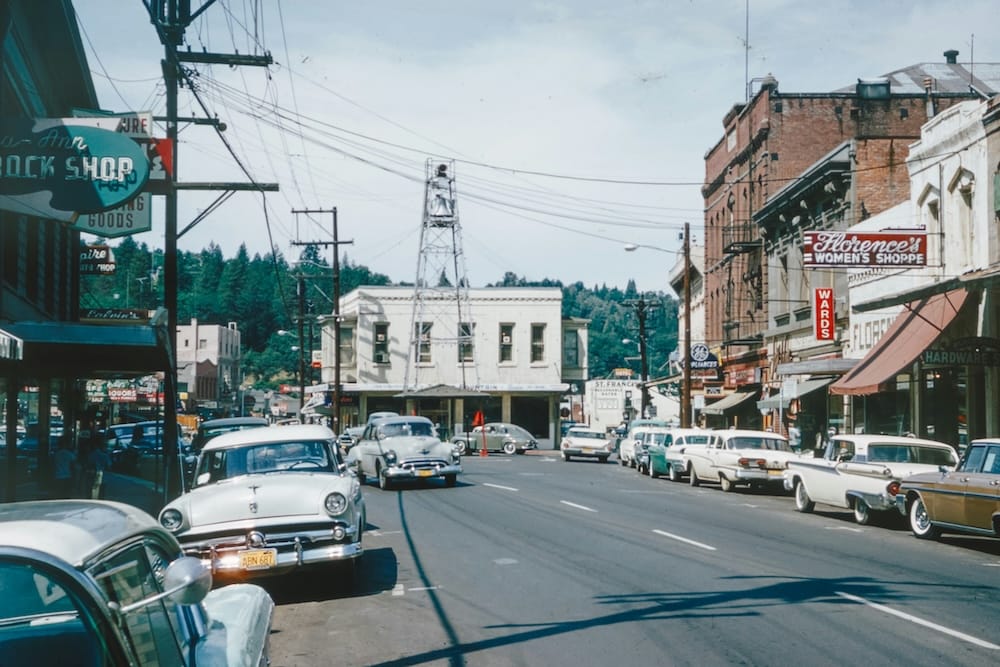
A Look Back at How Daily Life Has Changed in America
For Americans who grew up in the mid-twentieth century, the rhythm of daily life looked vastly different from what younger generations experience today. From the way families gathered around a single television set in the living room to the manner in which neighbors knew one another by name, the everyday routines of decades past stand in sharp contrast to the fast-paced, screen-driven world of 2026. Looking back at these changes offers more than nostalgia. It provides a window into how technology, economics, and culture have reshaped the American household.
The shift has been gradual, but the cumulative effect is striking. A trip to the grocery store, a phone call to a relative, a child's afternoon after school. Each of these simple activities has been transformed by innovations and societal shifts that few could have predicted in the 1960s or 1970s.
Communication: From Party Lines to Pocket Computers
Perhaps no area of life has changed more dramatically than how Americans communicate with one another. In the 1950s and 1960s, many households shared a party line telephone with neighbors, meaning conversations could be overheard and calls had to be kept brief. Long-distance phone calls were expensive and reserved for special occasions, often planned in advance and limited to a few minutes.
Today, according to data from the Pew Research Center, roughly 97 percent of Americans own a cellphone, and about 90 percent own a smartphone. These devices are not merely telephones. They are cameras, calendars, maps, encyclopedias, and televisions all rolled into one. A grandmother in Ohio can video chat with grandchildren in California instantly and at no additional cost. While the convenience is undeniable, many older Americans note that the constant connectivity has come at the price of face-to-face conversation. Family dinners that once featured shared stories now sometimes feature shared silence as everyone scrolls through their own device.
The Cost of Living and the Family Budget
The financial reality facing American families has shifted considerably. According to data from the Bureau of Labor Statistics, the average price of a gallon of gasoline in 1970 was about 36 cents. A loaf of bread cost roughly 25 cents, and a gallon of milk was about $1.15. The median home price in 1970 stood near $23,000.
Compare that to recent figures. The median home price in the United States has hovered above $400,000 in recent years. A gallon of gas typically costs over $3, and grocery bills have surged following the inflationary period of the early 2020s. While wages have also risen, many households find that two incomes are now required to maintain a standard of living that one income once provided. The single-earner household, which was the norm in 1960, has become increasingly uncommon. Census Bureau data shows that in 1960, about 70 percent of households with children had a single breadwinner. Today that figure is far lower, with dual-income families representing the majority.
Childhood and Free Time
Children's lives have undergone a particularly notable transformation. Decades ago, kids typically left the house after breakfast on a summer morning and were not expected home until the streetlights came on. Bicycles, sandlot baseball games, and exploring nearby woods or creeks filled the hours. Parental supervision was looser, and unstructured play was the rule rather than the exception.
Today, structured activities dominate childhood. Organized sports leagues, tutoring sessions, and supervised playdates have largely replaced the spontaneous gatherings of yesteryear. Screen time, according to research published by Common Sense Media, averages between four and seven hours per day for American children and teenagers when accounting for phones, tablets, computers, and televisions. Many parents express concern about the impact on physical activity, attention spans, and social development.
The Workplace and Working Hours
The American workplace has been reshaped by both technology and shifting expectations. In the past, a worker often spent an entire career with a single employer, eventually retiring with a pension and a gold watch. The Bureau of Labor Statistics has reported that the average American worker now holds approximately 12 different jobs over the course of their working life, with median tenure at a single employer hovering around four years.
Remote work, once unheard of, became commonplace following the pandemic years and remains a significant feature of the modern economy. Office buildings that once bustled five days a week now sometimes sit half empty on Fridays. Email and instant messaging mean that work follows employees home, and the line between professional and personal time has blurred for many.
Community and Faith
One of the most discussed shifts involves community life. Surveys conducted by Gallup have shown a steady decline in church membership and attendance. In 1999, about 70 percent of Americans reported belonging to a church, synagogue, or mosque. By recent measurements, that figure has fallen below 50 percent for the first time in the eight decades Gallup has tracked the question.
Civic organizations, bowling leagues, fraternal lodges, and neighborhood associations have all seen membership decline. The sociologist Robert Putnam famously documented this trend in his book Bowling Alone, noting that Americans are increasingly disconnected from the community institutions that once tied neighborhoods together. For many older Americans, this represents one of the most significant losses of the modern era.
Shopping and Daily Errands
The Main Street of small-town America once featured a hardware store, a pharmacy, a barber shop, and a diner where regulars gathered for coffee. While many such establishments still exist, online retail has transformed shopping habits. Packages arrive on doorsteps within hours in some areas, and entire categories of stores have struggled or closed.
Cash transactions, once standard, have given way to credit cards, debit cards, and digital payment apps. Some businesses no longer accept cash at all. For Americans who came of age writing checks and counting bills, the cashless economy can feel both convenient and impersonal.
What Endures
Despite all that has changed, certain values and traditions remain. Family gatherings on holidays, Sunday dinners, Friday night high school football games, and parades on the Fourth of July continue to bring Americans together. Faith, family, and country still anchor millions of households across the nation. The contrast between then and now is real, but so is the thread of continuity that runs through American life.
Join the American Association of Retired Republicans today!
Dues are $12 per year. Member benefits:
✅ Ad-Free Website Viewing
✅ Advocacy for Republican Seniors
✅ Member Only Newsletters
Dues are $12 per year. Member benefits:
✅ Ad-Free Website Viewing
✅ Advocacy for Republican Seniors
✅ Member Only Newsletters