
News
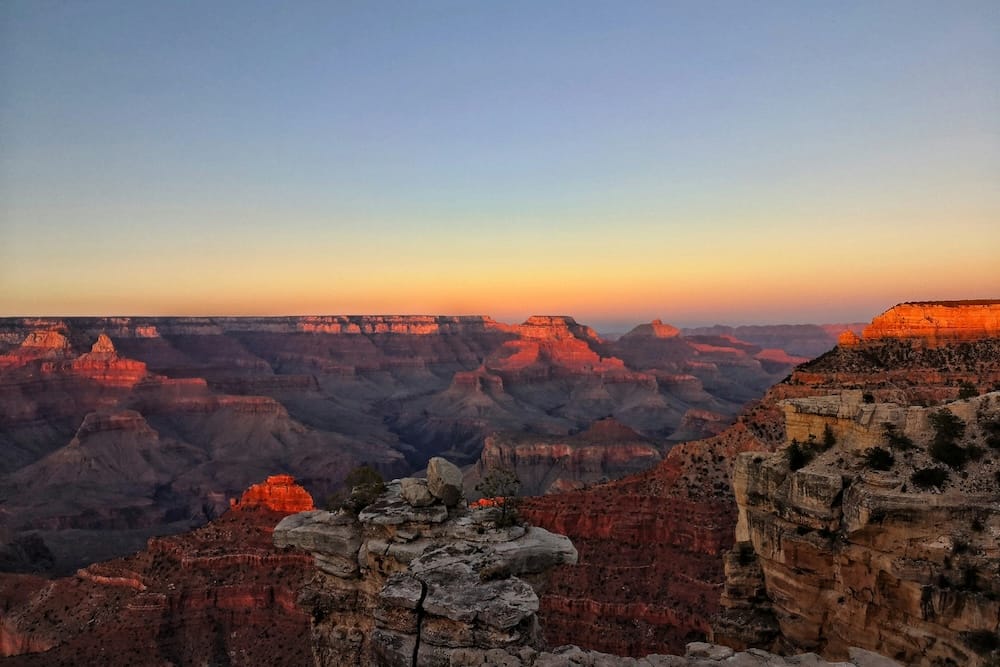
An American Wonder Carved by Time
The Grand Canyon stands as one of the most awe-inspiring natural landmarks in the United States, drawing millions of visitors each year to its rugged rim in northern Arizona. Stretching 277 miles long, up to 18 miles wide, and reaching depths of more than a mile, the canyon has been shaped over millions of years by the relentless flow of the Colorado River. For generations of Americans, a trip to the Grand Canyon has been a rite of passage, a family memory, and a reminder of the vast beauty found within our own borders.
The canyon's layered bands of red rock reveal geological history stretching back nearly two billion years, according to the National Park Service. Long before it became a national park, the region was home to Native American peoples, including the Ancestral Puebloans, Hualapai, Havasupai, Navajo, and Hopi, many of whom still maintain deep cultural ties to the land today.
From Presidential Vision to National Park
The Grand Canyon's journey to becoming a protected national treasure is deeply tied to the vision of President Theodore Roosevelt. After visiting the canyon in 1903, Roosevelt famously urged Americans to preserve it for future generations.
'Leave it as it is. You cannot improve on it. The ages have been at work on it, and man can only mar it,' Roosevelt declared during his visit, according to the National Park Service.
Roosevelt designated the Grand Canyon a national monument in 1908 under the Antiquities Act. It took another eleven years of debate in Congress before President Woodrow Wilson signed legislation on February 26, 1919, officially establishing Grand Canyon National Park. The park celebrated its centennial in 2019, marking more than a century of stewardship by the National Park Service.
Early Explorers and Pioneers
While Spanish explorers led by Garcia Lopez de Cardenas were the first Europeans to lay eyes on the canyon in 1540, it was American geologist and Civil War veteran John Wesley Powell who put the canyon on the map for most Americans. In 1869, Powell led a daring expedition down the Colorado River, becoming the first known person of European descent to navigate its treacherous rapids through the heart of the canyon. It was Powell who popularized the name 'Grand Canyon.'
In the decades that followed, prospectors, ranchers, and eventually tourists made their way to the rim. Visionaries like Fred Harvey and the Santa Fe Railway helped develop the tourism infrastructure, including the historic El Tovar Hotel, which opened in 1905 and still welcomes guests today.
Planning Your Visit: What to Know Before You Go
The Grand Canyon welcomes nearly five million visitors annually, making it one of the most popular national parks in the country. The park has two main developed areas: the South Rim and the North Rim. The South Rim is open year-round and offers the most amenities, viewpoints, and lodging options. The North Rim, sitting at over 8,000 feet in elevation, is typically open from mid-May through mid-October due to heavy winter snowfall.
Entrance fees are $35 per private vehicle and are valid for seven days at both rims. For those aged 62 and over, the America the Beautiful Senior Pass is one of the best bargains in the country. A lifetime senior pass costs just $80, or seniors can opt for an annual pass at $20. The pass grants access to more than 2,000 federal recreation sites, including all national parks.
Best Times to Visit
Timing your trip can make all the difference. Spring and fall offer the most comfortable temperatures, generally ranging from the 50s to 70s at the South Rim, along with lighter crowds compared to the peak summer months. Summer brings large crowds and inner-canyon temperatures that can exceed 100 degrees, while winter offers stunning snow-dusted views and far fewer visitors, though some roads and facilities may be limited.
Sunrise and sunset are widely regarded as the most spectacular times at the canyon. Popular viewpoints such as Mather Point, Yavapai Point, Hopi Point, and Desert View Watchtower offer breathtaking panoramas. Desert View Watchtower, designed by architect Mary Colter and completed in 1932, remains one of the most iconic structures in the park.
Getting Around and Staying Safe
The park operates a free shuttle bus system at the South Rim, which is especially helpful during busy seasons when parking near popular viewpoints can be difficult. The Hermit Road, closed to private vehicles most of the year, is accessible by shuttle and offers some of the finest views in the park.
The National Park Service reminds visitors that safety must come first. Every year, rescues are conducted for hikers who underestimate the canyon's demands. Rangers advise carrying plenty of water, wearing sturdy footwear, and never attempting to hike from the rim to the river and back in a single day. Even short walks along the Rim Trail can be tiring at the high elevation, so pacing yourself is essential.
Lodging, Dining, and Accessibility
Lodging inside the park fills up quickly, often a year in advance. Historic properties like El Tovar Hotel, Bright Angel Lodge, and Phantom Ranch at the canyon floor offer memorable stays. The nearby town of Tusayan, just outside the South Rim entrance, provides additional hotels and restaurants. For those preferring a longer stay in a full-service community, Flagstaff and Williams, Arizona, are within easy driving distance.
The park has made significant strides in accessibility. Many overlooks along the South Rim are wheelchair accessible, and the shuttle buses are equipped to accommodate riders with mobility challenges. Accessibility permits are available at entrance stations and visitor centers, allowing access to certain roads normally closed to private vehicles.
A Lasting Legacy
More than a century after its designation as a national park, the Grand Canyon remains a symbol of American natural heritage. Whether you are watching the sunrise paint the cliffs in gold, hiking a portion of the Bright Angel Trail, or simply sitting quietly at the rim taking in the vastness, the canyon offers something no photograph can capture. For those planning a first visit or a return trip, the advice remains the same as it was in Roosevelt's day: come, see it, and leave it as it is for the generations still to come.
Join the American Association of Retired Republicans today!
Dues are $12 per year. Member benefits:
✅ Ad-Free Website Viewing
✅ Advocacy for Republican Seniors
✅ Member Only Newsletters
Dues are $12 per year. Member benefits:
✅ Ad-Free Website Viewing
✅ Advocacy for Republican Seniors
✅ Member Only Newsletters