
News
Choosing the Right Warehouse Club for Your Wallet
Warehouse clubs have become a staple for American families looking to stretch their dollars on groceries, household goods, gasoline, and even prescription drugs. With grocery prices still pinching budgets in 2026, more shoppers are weighing whether a paid membership at Costco, Sam's Club, or BJ's Wholesale Club is worth the annual fee. The answer depends on what you buy, how often you shop, where you live, and which perks matter most to your household.
Each of the three major warehouse chains offers a basic tier and a premium tier that returns a percentage of your spending as cash rewards. The right pick can save a typical family hundreds of dollars a year, while the wrong one can leave you paying for a card you rarely use.
Costco: The Gold Standard for Quality and Loyalty
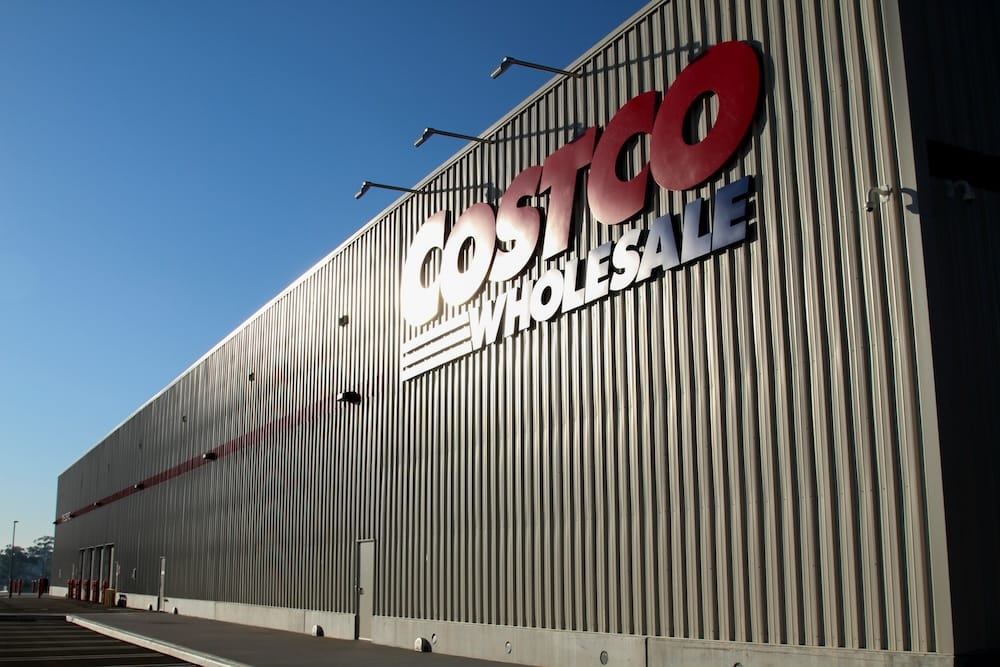
Costco Wholesale remains the largest of the three chains and is often ranked highest for product quality, particularly its Kirkland Signature private label. A basic Gold Star membership costs $65 per year, while the Executive membership runs $130 and returns 2 percent back on most purchases, capped at $1,250 annually. Costco raised its fees in September 2024, the first increase in seven years, but renewal rates have remained above 90 percent in the United States and Canada, a figure the company highlights in its quarterly reports as evidence of strong member loyalty.
Shoppers tend to praise Costco for its generous return policy, its rotisserie chicken still priced at $4.99, and its hot dog and soda combo that has held at $1.50 since 1985. The chain also operates one of the largest optical and hearing aid networks in the country, along with a pharmacy that frequently posts lower cash prices on common prescriptions than many insurance copays. Gasoline at Costco stations is typically among the cheapest in any given market, often 20 to 30 cents below nearby competitors.
The trade-off is that Costco stores can feel crowded, parking lots are notoriously tight, and the chain accepts only Visa credit cards along with debit, cash, and Costco Shop Cards. For households that spend at least $6,500 a year at Costco, the Executive tier pays for itself through the 2 percent reward.
Sam's Club: Lower Fees and Scan-and-Go Convenience
Sam's Club, owned by Walmart, charges $50 for its Club membership and $110 for the Plus tier. The Plus level offers 2 percent Sam's Cash back on qualifying purchases up to $500 per year, free shipping on most items, and free same-day curbside pickup. Sam's Club accepts all major credit cards, which many shoppers consider a meaningful advantage over Costco.
The chain's Scan and Go app has become a signature feature, letting members scan items with their phones as they shop and skip the checkout line entirely. Sam's Club has also leaned heavily into fresh foods, expanding its Member's Mark private label and adding more organic options. Fuel discounts at Sam's stations are competitive with Costco in most regions, and Plus members get free flat tire repair, battery testing, and tire rotation at the auto center.
For families who already shop at Walmart, Sam's Club often feels like a natural extension. The lower entry price of $50 makes it easier to try without much risk, and Plus members earn back their fee with about $5,500 in annual spending.
BJ's Wholesale Club: The East Coast Value Play
BJ's operates primarily along the Eastern Seaboard and parts of the Midwest and South, with locations concentrated in states like Florida, New York, Massachusetts, and Virginia. The Club Card costs $55 per year, and the Club+ membership runs $110 with 2 percent back on most purchases.
BJ's distinguishes itself in two important ways. First, it accepts manufacturer coupons in addition to its own digital coupons, a practice neither Costco nor Sam's allows. That stacking can produce deeper discounts on packaged goods than the other clubs. Second, BJ's carries a broader selection of smaller pack sizes, which appeals to single-person households, couples, and older shoppers who do not need a 48-roll bundle of paper towels or a gallon jug of mayonnaise.
BJ's also offers a robust gas program at most clubs and partners with the Synchrony-issued BJ's One Mastercard, which adds extra cash back at the club and on gas purchases anywhere Mastercard is accepted.
Comparing the Numbers Side by Side
When choosing between the three chains, household spending habits matter more than brand preference. Consider these basic guidelines:
- If you spend more than $6,500 a year at the club and value premium private-label quality, Costco Executive typically returns the most value.
- If you want the lowest entry fee, the convenience of Scan and Go, and acceptance of all credit cards, Sam's Club is the easiest on-ramp.
- If you live on the East Coast, clip coupons, or prefer smaller package sizes, BJ's offers flexibility the other two do not.
It is also worth noting that all three clubs sell discounted gift cards, travel packages, and tires, and all three operate pharmacies that do not require membership to use under federal law. That means even non-members can fill prescriptions at any of the three chains, a fact many shoppers overlook.
Tips Before You Sign Up
Before committing to a membership, walk through a club with a one-day guest pass or a friend's card to scout prices on the 20 or so items you buy most often. Compare those prices against your regular supermarket, accounting for the larger pack sizes. A useful rule of thumb is that a warehouse club needs to save you at least the cost of the annual fee plus the value of your time spent driving to a less convenient location.
Also consider storage space. Bulk buying only saves money if the food gets eaten before it spoils and if you have room to store paper goods, cleaning supplies, and frozen items. Households that have downsized may find smaller pack sizes at BJ's or a traditional supermarket more practical than a 10-pound bag of chicken thighs.
Finally, watch for promotional sign-up offers. All three chains periodically run new-member deals that include shop cards worth $20 to $45, effectively discounting the first year's fee. Timing your sign-up around one of these promotions can make the decision easier and the savings start sooner.
Join the American Association of Retired Republicans today!
Dues are $12 per year. Member benefits:
✅ Ad-Free Website Viewing
✅ Advocacy for Republican Seniors
✅ Member Only Newsletters
Dues are $12 per year. Member benefits:
✅ Ad-Free Website Viewing
✅ Advocacy for Republican Seniors
✅ Member Only Newsletters