
News
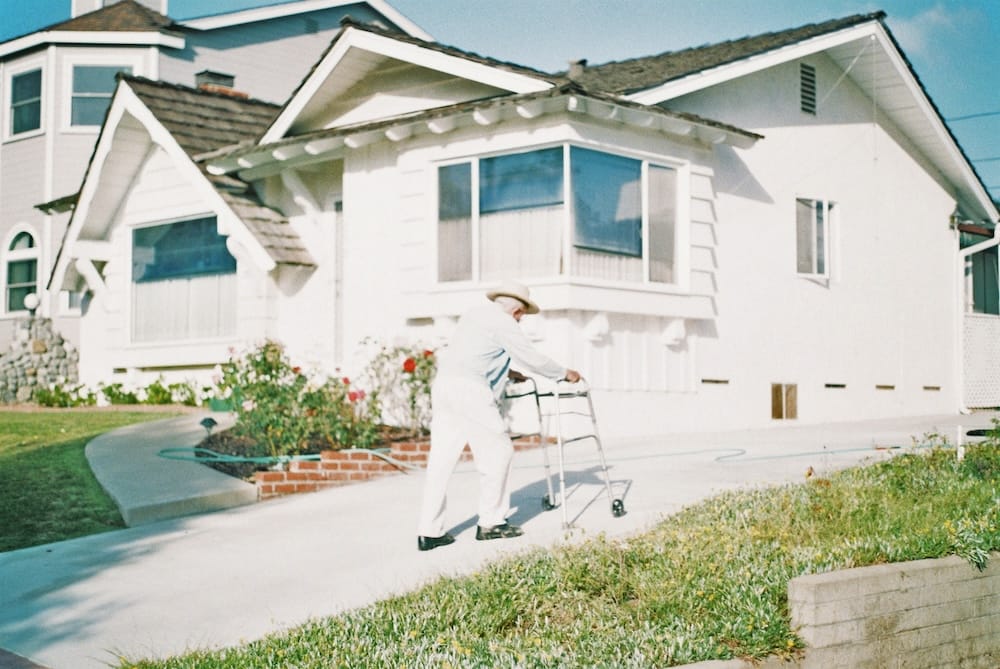
Why More Older Americans Are Choosing to Stay Put
Across the country, a growing number of Americans in their 50s, 60s, 70s, and beyond are making a clear choice: they want to remain in the homes they have worked a lifetime to build. Rather than moving into assisted living or downsizing to unfamiliar surroundings, homeowners are updating their properties to fit the realities of aging. The concept is often called 'aging in place,' and according to the Centers for Disease Control and Prevention, it means 'the ability to live in one's own home and community safely, independently, and comfortably, regardless of age, income, or ability level.'
The National Institute on Aging reports that the majority of older adults prefer to stay in their current residences as long as possible. With thoughtful planning, modest budgets, and a few strategic upgrades, most homes can be adapted to support independence well into later decades of life.
Start with the Bathroom: The Highest-Risk Room in the House
The bathroom is consistently ranked as the most dangerous room for older adults. The CDC estimates that one in four Americans aged 65 and older falls each year, and a large share of those falls happen on wet tile or while stepping over a tub. Occupational therapists and home modification specialists routinely recommend the bathroom as the first place to invest.
Practical upgrades include:
- Installing grab bars near the toilet and inside the shower, anchored into wall studs rather than drywall
- Replacing a traditional tub with a curbless or low-threshold walk-in shower
- Adding a sturdy shower bench or fold-down seat
- Switching to a handheld showerhead on a slide bar
- Placing non-slip mats or applying textured strips to the shower floor
- Raising the toilet height or adding a comfort-height seat
- Improving lighting, including motion-activated night lights
Rethinking Entryways, Stairs, and Floors
Getting into and around the home should not require athletic ability. Front and back entrances can be improved by adding a gently sloped ramp where steps exist, installing sturdy handrails on both sides of any staircase, and ensuring exterior lighting is bright and reliable. A no-step entry, sometimes called a 'zero-step' entrance, is one of the features housing researchers most often point to as a game-changer for long-term livability.
Inside the home, loose rugs and thick carpets are among the most common tripping hazards. Removing throw rugs, securing carpet edges, and switching to low-pile flooring or slip-resistant vinyl or cork can make a dramatic difference. For multi-story homes, a stair lift is a proven option, and prices have come down significantly over the past decade. Homeowners planning a longer stay sometimes go further, converting a first-floor room into a bedroom so the second story becomes optional rather than necessary.
The Kitchen: Small Tweaks, Big Payoff
The kitchen is where independence is either preserved or lost. Reaching high cabinets, bending to low drawers, and standing for long periods all become harder over time. Simple changes include pull-out shelves inside lower cabinets, lever-style faucet handles instead of round knobs, and side-opening wall ovens that eliminate the need to lean over a hot door.
Under-cabinet lighting brightens counters without harsh glare, and induction cooktops stay cooler than traditional ranges, reducing burn risks. A sturdy stool with a back allows for seated food prep. Rocker light switches, larger appliance controls, and contrasting counter edges also help those with reduced vision or arthritis in the hands.
Doorways, Hallways, and Universal Design
Home modification experts often talk about 'universal design,' a term coined by architect Ronald Mace to describe features that work for everyone regardless of age or ability. Widening doorways to at least 32 to 36 inches accommodates walkers and wheelchairs but also simply makes moving furniture and laundry baskets easier. Lever-style door handles replace round knobs that strain arthritic fingers. Rocker light switches placed at accessible heights help everyone in the household.
Hallways benefit from added lighting, especially between the bedroom and bathroom, where nighttime trips are common. Contrasting paint or trim colors help those with declining depth perception see where walls, floors, and doorways meet.
Technology That Actually Helps
Smart home technology has matured to the point where it genuinely supports independence rather than adding complication. Voice-activated assistants can turn on lights, set reminders for medications, place phone calls, and even alert family members in an emergency. Video doorbells let homeowners see who is at the door without getting up or opening it to a stranger.
Medical alert systems with fall detection have become more affordable and no longer require a landline. Smart thermostats, leak detectors under sinks, and stove shut-off devices provide peace of mind for both homeowners and adult children checking in from a distance. The National Institute on Aging notes that even simple additions like automatic pill dispensers can reduce medication errors, one of the most common reasons older adults end up in the hospital.
Lighting, Contrast, and Vision-Friendly Design
Vision changes are one of the least discussed but most impactful parts of aging in the home. Eyes need roughly three times more light at age 60 than at age 20 to see clearly. Adding brighter bulbs, layering light sources, and eliminating dark corners can prevent countless stumbles. Motion-sensor lights in closets, pantries, and hallways remove the need to fumble for switches.
Contrasting colors help too. A dark toilet seat against a light bowl, a colored strip on stair edges, and dishes that contrast with counters and tablecloths all make daily tasks easier for aging eyes.
Planning Ahead Pays Off
Home modification specialists frequently point out that the best time to make changes is before they become urgent. Waiting until after a fall or hospitalization means decisions get made under pressure, often at higher cost. Certified Aging-in-Place Specialists, a designation from the National Association of Home Builders, are trained to walk through a home and recommend improvements suited to the specific homeowner and property.
Many updates cost only a few hundred dollars. Grab bars, better lighting, lever handles, and non-slip flooring add up to a safer home without a major renovation. Larger projects like walk-in showers, stair lifts, or first-floor bedrooms are investments, but they are often far less expensive than a single year in assisted living, which now averages well over 60,000 dollars nationally according to industry surveys.
The bottom line is straightforward: with a bit of planning, most homes can be shaped to support the people who live in them for many more years than the original builder ever imagined.
Join the American Association of Retired Republicans today!
Dues are $12 per year. Member benefits:
✅ Ad-Free Website Viewing
✅ Advocacy for Republican Seniors
✅ Member Only Newsletters
Dues are $12 per year. Member benefits:
✅ Ad-Free Website Viewing
✅ Advocacy for Republican Seniors
✅ Member Only Newsletters