
News
Understanding the Sleep Stage That Keeps Your Mind Sharp
Rapid eye movement sleep, better known as REM sleep, is the stage of slumber when most vivid dreaming occurs and when the brain performs some of its most important housekeeping work. According to the Cleveland Clinic, REM is one of four stages of sleep, and adults typically cycle through it four to six times each night, with each REM period growing longer as the night progresses. During this stage, the eyes dart quickly behind closed lids, breathing speeds up, the heart rate climbs, and the brain becomes nearly as active as it is during waking hours.
The National Institute of Neurological Disorders and Stroke explains that REM sleep usually begins about 90 minutes after a person first falls asleep. While the brain races, the body essentially holds still. Most muscles are temporarily paralyzed, a built-in safety feature that keeps sleepers from physically acting out their dreams.
Why REM Sleep Is So Important
Researchers have long linked REM sleep to memory, mood, and learning. The Sleep Foundation notes that REM plays a central role in 'memory consolidation, emotional processing, brain development, and dreaming.' In plain terms, this is when the brain sorts through the day's experiences, files away what matters, and discards what does not.
The Cleveland Clinic points out that people who consistently miss REM sleep may notice trouble concentrating, forgetfulness, low mood, and a weaker immune system. Studies cited by the National Institutes of Health have also connected chronically poor REM sleep with a higher risk of conditions such as dementia, heart disease, and type 2 diabetes. A 2020 study published in JAMA Neurology found that for every 5 percent reduction in REM sleep, dementia rates increased in older adults.
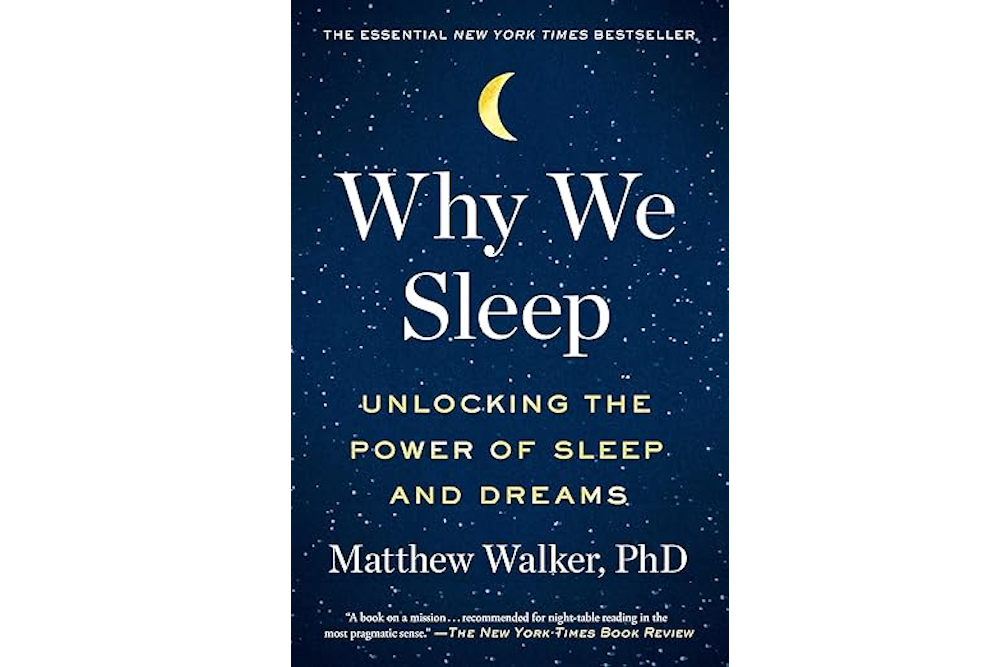
Dr. Matthew Walker, a sleep scientist at the University of California, Berkeley, and author of 'Why We Sleep,' has described REM as 'overnight therapy,' explaining that it helps the brain take the sharp edges off difficult emotional memories. That makes this stage especially valuable for older adults who are coping with grief, retirement transitions, or health worries.
How Much REM Sleep Do You Really Need?
Most healthy adults spend roughly 20 to 25 percent of their total sleep time in REM, according to the Sleep Foundation. For someone getting the recommended seven to nine hours of sleep each night, that works out to about 90 minutes to two hours of REM.
That ratio shifts with age. Newborns spend nearly half their sleep in REM, while adults over 50 often see their REM percentage decline. Johns Hopkins Medicine reports that older adults frequently experience lighter, more fragmented sleep, with less time spent in both deep sleep and REM. This is one reason why so many people in their later years feel they are not as rested in the morning, even if they spent eight hours in bed.
What Steals Your REM Sleep
Several common habits and conditions can rob the body of REM. The Mayo Clinic and Sleep Foundation list the most frequent culprits:
- Alcohol in the evening, which suppresses REM in the first half of the night
- Certain prescription medications, including some antidepressants and beta blockers
- Untreated sleep apnea, which repeatedly interrupts the sleep cycle
- Chronic stress and anxiety
- Irregular bedtimes and shift work
- Too much caffeine, especially after lunch
Sleep apnea is a particular concern for adults over 50. The American Academy of Sleep Medicine estimates that roughly 30 million Americans have the condition, though most cases go undiagnosed. Because apnea events often happen during REM, sufferers may rarely reach restorative dream sleep at all.
Practical Steps to Get More REM Sleep
The good news is that REM sleep tends to rebound when basic sleep habits improve. Health experts at the Cleveland Clinic, Mayo Clinic, and Johns Hopkins Medicine offer consistent advice:
- Stick to a regular schedule, going to bed and waking up at the same time every day, including weekends
- Aim for seven to nine hours in bed to allow several full sleep cycles
- Keep the bedroom cool, dark, and quiet, with a temperature around 65 to 68 degrees
- Avoid alcohol within three hours of bedtime
- Cut off caffeine by early afternoon
- Get natural sunlight in the morning to anchor the body's internal clock
- Exercise regularly, but finish vigorous workouts at least a few hours before bed
- Put screens away at least 30 minutes before sleep, since blue light delays the brain's release of melatonin
Dr. Rajkumar Dasgupta, a pulmonologist and sleep specialist at the University of Southern California, told CNN that consistency is the single biggest factor. 'Your body craves routine,' he said. 'When you give it the same signals night after night, you naturally get more of every stage of sleep, including REM.'
When to Talk to a Doctor
Snoring loudly, gasping during sleep, waking up with headaches, or feeling exhausted despite a full night in bed are all warning signs worth raising with a physician. A sleep study, which can sometimes be done at home, can determine whether sleep apnea or another disorder is cutting REM sleep short.
REM sleep behavior disorder is another condition that becomes more common with age. In this disorder, the normal muscle paralysis of REM fails, and people physically act out their dreams. The Mayo Clinic notes that this condition can be an early warning sign of Parkinson's disease and should be evaluated promptly.
The Bottom Line for a Sharper Mind and Stronger Body
REM sleep is not a luxury. It is the brain's nightly tune-up, and protecting it pays dividends in memory, mood, heart health, and overall well-being. Simple, time-tested habits, paired with a willingness to address sleep problems with a trusted doctor, can help nearly anyone reclaim the rest their body was designed to get.
Check out Why We Sleep by Dr. Matthew Walker on Amazon
Join the American Association of Retired Republicans today!
Dues are $12 per year. Member benefits:
✅ Ad-Free Website Viewing
✅ Advocacy for Republican Seniors
✅ Member Only Newsletters
Dues are $12 per year. Member benefits:
✅ Ad-Free Website Viewing
✅ Advocacy for Republican Seniors
✅ Member Only Newsletters