News
Rediscovering Purpose and Paychecks Later in Life
For millions of Americans over 50, the idea of retiring quietly to a rocking chair has been replaced by something far more ambitious: the second act career. A second act career is a meaningful new chapter of work, often pursued after a primary career ends, that blends income, purpose, and personal passion. It is not simply a part-time job to fill the hours. It is a deliberate pivot into something different, sometimes entirely unrelated to what came before, and often more fulfilling than the work that built the retirement nest egg in the first place.
According to the U.S. Bureau of Labor Statistics, workers aged 55 and older now make up nearly a quarter of the American labor force, and that share is projected to keep growing. Many are choosing to stay engaged not because they must, but because they want to. Encore.org, the nonprofit founded by Marc Freedman that has spent two decades studying late-career reinvention, estimates that roughly 9 million Americans are already in encore careers, and tens of millions more say they would like to be.
What Exactly Is a Second Act Career?
A second act career typically shares three traits: it comes after a recognizable first career, it provides some form of compensation, and it carries personal meaning for the person pursuing it. That meaning might come from helping others, from finally chasing a long-buried dream, or from applying decades of hard-won expertise to a brand-new problem.
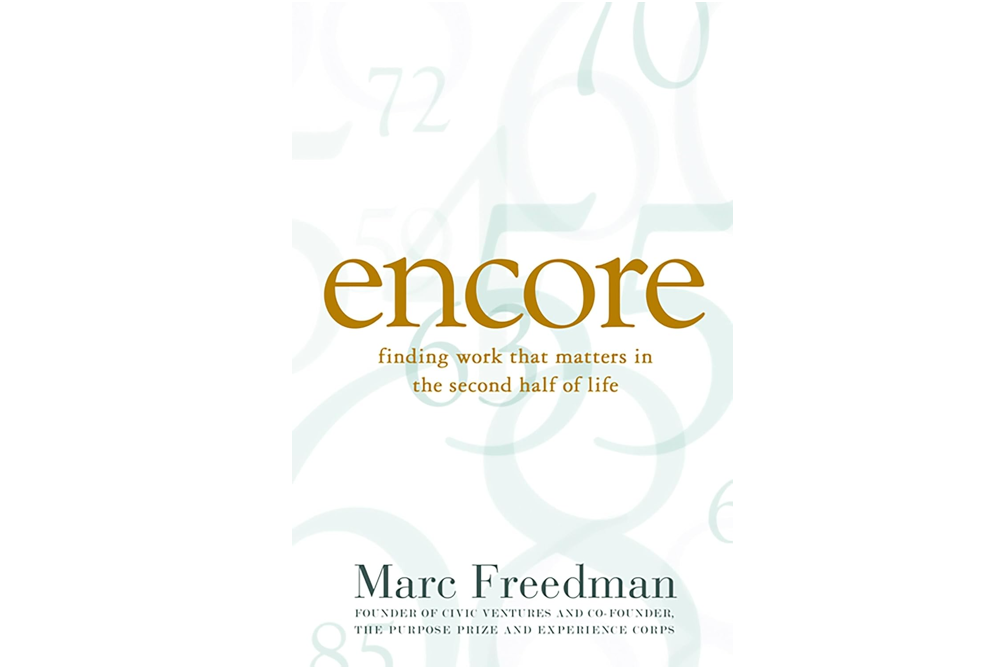
Marc Freedman, the author of Encore: Finding Work That Matters in the Second Half of Life, has long argued that this stage is not a slow fade. 'The encore years are emerging as a new stage of life and a new stage of work,' Freedman has written, describing a period when experience, skill, and a desire to contribute come together in powerful ways. For many Americans raised on the values of hard work, faith, family, and service, this stage feels less like a departure and more like a natural extension of who they have always been.
Why So Many Americans Are Making the Leap
The reasons people pursue a second act are practical and personal. Longer lifespans mean that a 65-year-old today can reasonably expect another 20 or more active years. Traditional pensions have largely disappeared, Social Security alone rarely covers the lifestyle most families want, and inflation in recent years has stretched fixed incomes thin. Working longer, even part time, can dramatically improve financial security.
But money is only part of the story. Surveys from the Transamerica Center for Retirement Studies consistently find that staying mentally active, having a sense of purpose, and remaining socially connected rank among the top reasons older workers stay in the game. Research published in journals such as the Journal of the American Medical Association has linked continued work and engagement to better cognitive health and lower rates of depression in older adults.
Popular Paths for Second Act Careers
There is no single template, but certain paths have proven especially popular and attainable for those starting fresh after 50. Common second act directions include:
- Consulting or freelancing in the field where you already have decades of expertise
- Teaching, tutoring, or substitute teaching in local schools and community colleges
- Nonprofit and faith-based work, including church staff roles and volunteer leadership that grows into paid positions
- Skilled trades and handyman services, where demand far outstrips supply in most American towns
- Small business ownership, from franchises to bookkeeping to bed-and-breakfasts
- Healthcare support roles such as medical office assistants, patient advocates, or home care providers
- Real estate, insurance, and tax preparation, all of which welcome mature professionals
- Writing, speaking, and coaching based on a lifetime of accumulated knowledge
The Kauffman Foundation has reported that Americans aged 55 to 64 now start new businesses at a higher rate than those in their 20s and 30s, dispelling the myth that entrepreneurship belongs to the young.
Practical Steps to Build Your Second Act
Reinvention does not happen by accident. The people who succeed in a second act tend to plan it the way they once planned a career move in their 30s, only with the wisdom of experience guiding the choices.
Start with honest self-assessment. Write down what you loved about your previous work, what you would happily never do again, and what you have always wished you had time to try. Talk to your spouse and family early. A second act affects household finances, daily routines, and even where you choose to live.
Next, test before you leap. Volunteer in the field that interests you, take a community college course, or shadow someone already doing the work. Many community colleges offer affordable certificates in bookkeeping, medical coding, real estate, and the skilled trades that can be completed in under a year. The Small Business Administration and its SCORE mentoring program offer free counseling from retired executives to anyone considering starting a business.
Handling the Money Side
Financial planners commonly advise keeping six to twelve months of living expenses in reserve before launching a second act, especially if it involves self-employment or a pay cut. Review your Social Security strategy carefully. Claiming benefits while still earning a significant income before full retirement age can reduce monthly checks, while delaying past full retirement age increases them by roughly 8 percent per year up to age 70, according to the Social Security Administration.
Health insurance is often the single biggest hurdle for those leaving a corporate job before 65. Options include a spouse's plan, COBRA, the individual market, or part-time work at employers such as Costco, Starbucks, and some public school districts that offer benefits to part-timers. Once Medicare kicks in at 65, the calculation gets considerably easier.
Mindset Matters Most
Perhaps the most important piece of advice from those who have done it well is to give yourself permission to start over. Age is an asset in most second act fields. Employers and clients value reliability, judgment, and a strong work ethic, qualities that decades of experience tend to produce. The grandchildren, the church, the community, and the country all benefit when seasoned Americans choose to keep contributing rather than step aside.
A second act career is not about clinging to youth or refusing to slow down. It is about using the gifts of a lifetime in a new way, on your own terms, for as long as you choose. For a generation that built much of what works in this country, the next chapter may turn out to be the best one yet.
Where to Buy
Amazon.com - Encore: Finding Work that Matters in the Second Half of Life
Join the American Association of Retired Republicans today!
Dues are $12 per year. Member benefits:
✅ Ad-Free Website Viewing
✅ Advocacy for Republican Seniors
✅ Member Only Newsletters
Dues are $12 per year. Member benefits:
✅ Ad-Free Website Viewing
✅ Advocacy for Republican Seniors
✅ Member Only Newsletters